




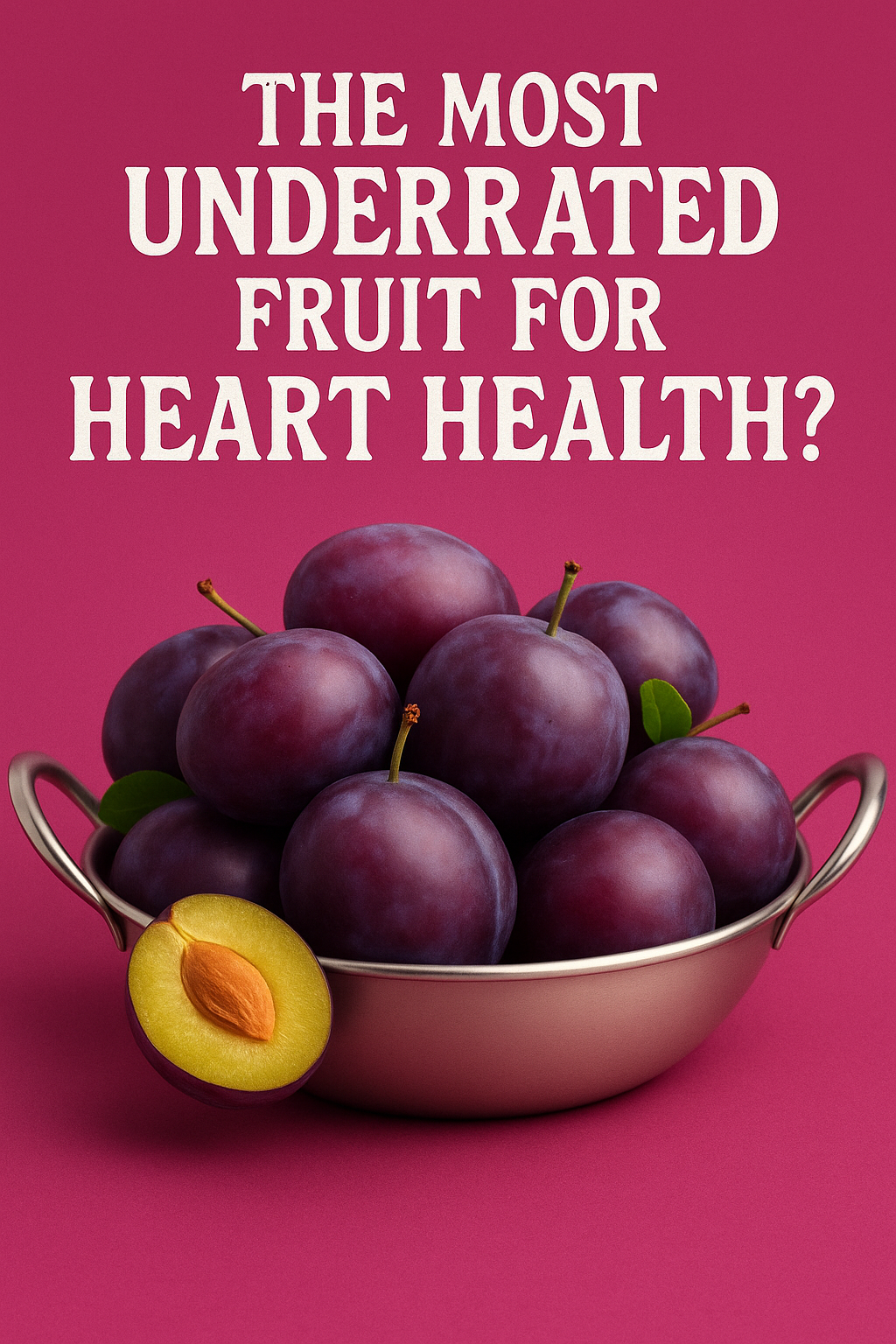

Why Plums Are the Most Underrated Fruit on the Planet — And What a Daily Habit Could Do for You
expert, nutritionist
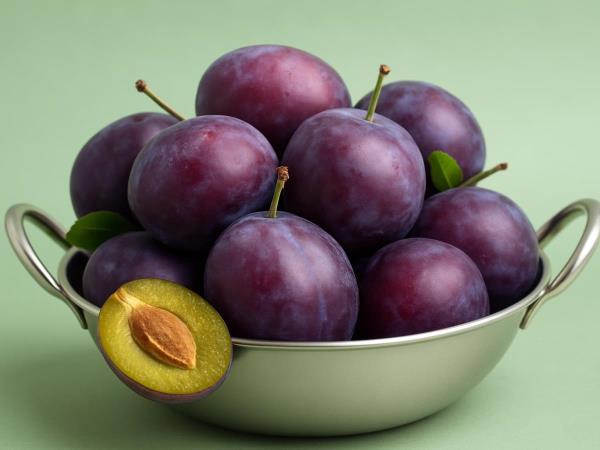
They're sweet, cheap, in season right now, and sitting quietly in the fruit bowl while berries and avocados get all the attention. But plums may be one of the most nutritionally interesting fruits you're not eating enough of.
A few years ago, a well-known television nutrition coach — the kind of person who's spent decades telling other people what to eat — admitted on air that she'd basically ignored plums her whole career. "I always reached for berries," she said, "and completely forgot the plum bowl was right next to them." After trying a few weeks of a daily plum-and-prune habit as part of an on-air challenge, she called them "the fruit I wish I'd taken seriously twenty years ago." It's a small, ordinary story — but it captures something real: plums rarely get the spotlight, even though the research on them keeps growing.
An Overlooked Fruit With a Growing Body of Research Behind It
Plums (and their dried form, prunes) have quietly built up one of the more interesting nutrition-research track records of any everyday fruit. A 2024 systematic review and meta-analysis published via the National Institutes of Health's PMC archive, co-authored by researchers from the University of Potsdam's Department of Molecular and Experimental Nutritional Medicine in Germany, looked specifically at how plum products affect blood lipid levels in adults — finding that regular plum consumption was associated with measurable improvements in cholesterol markers.
That's not an isolated finding. A broader systematic review published in Phytotherapy Research, which pooled 73 peer-reviewed studies, reported that plum consumption has been linked to improved cognitive function, better bone health markers, and favorable changes in cardiovascular risk factors — while the review's authors were careful to note that evidence quality varies and more high-quality human trials are still needed. That kind of honest caveat is worth keeping in mind any time you read a bold headline about a "superfood."
We've touched on how easily genuinely good foods get overlooked before, including in our piece on a 5 Foods That Will Make You Feel Healthier, where prunes made the list for their role in supporting bone and joint health. It's also worth pairing plums with a broader look at your micronutrient intake — see our guides on 11 Foods That Help or Hinder Iron Absorption and the often-missed Warning Signs of Vitamin B12 Deficiency, since fruit alone is never the whole nutritional picture.
What the Research Actually Suggests About Plums
- Rich in polyphenols. Plums are a solid source of polyphenols — a broad family of plant compounds that includes flavonoids and anthocyanins, which give plums their deep purple-red color. According to Healthline's review of the nutrition research, these antioxidants may help the body manage everyday oxidative stress, and some early research has explored their possible link to cognitive function and memory support — though this is an area still being actively studied rather than a settled conclusion.
- Low in calories, high in satiety. A single plum contains roughly 30 calories, according to USDA nutrition data compiled by Healthline, while still delivering meaningful fiber. That combination may help you feel fuller for longer. A simple way to enjoy them is blending a handful of fresh plums into a morning glass of juice or a smoothie.
- Linked to cardiovascular markers. The University of Potsdam-affiliated 2024 meta-analysis and an earlier 2023 systematic review in the Journal of Nutritional Science both found that plum or prune consumption was associated with reductions in LDL ("bad") cholesterol in some populations — encouraging findings, though researchers stress that plums should be seen as a supportive dietary habit, not a treatment for heart disease.
- A source of slow-digesting carbohydrates. The natural carbohydrates in whole plums come bundled with fiber, which generally means they're digested more gradually than refined sugar — helping to avoid the rapid blood-sugar spikes associated with simple sugars.
- Bone health research. Dried plums have been the subject of some of the more consistent findings in this space. A widely cited 2017 comprehensive review published in the journal Nutrients concluded that regular prune consumption may help support bone density, building on earlier clinical research — including a study on postmenopausal women — that found dried plums were associated with improved markers of bone formation.
Since plums are in season, it's a good time to try working two or three into your daily routine — some people enjoy up to six — for a few weeks and see how you feel. As with any dietary change, individual results vary, and if you have a medical condition affecting blood sugar, digestion, or kidney function, it's worth checking with a doctor or dietitian before making prunes a daily habit, since their fiber and sorbitol content can affect people differently.
A Quirky Bit of Plum History
Plums even have a strange, often-retold story attached to them from the early 1900s. According to food folklore passed down from that era, a California plum grower reportedly tried training monkeys to help harvest his orchard, gambling that the animals would eventually tire of eating the fruit and settle into work. As the story goes, on the very first day, his crew of harvesters ate so many plums they could barely move. It's an unverified anecdote rather than documented history, but it's a fun reminder that plums have been irresistible to more than just humans for well over a century.
The Takeaway
Plums check a lot of boxes: low calorie, high fiber, rich in antioxidants, and backed by a growing (if still developing) body of research on heart and bone health. They're not a miracle cure, and no single fruit ever is — but as an easy, inexpensive addition to a balanced diet, they may be one of the most underrated fruits on the shelf.
Information on this website is for educational purposes only and is not medical advice.
expert, nutritionist
 Would you like to be informed about news on the website?












|

