







Your Body Often Sounds the Alarm Long Before You Notice: 6 Overlooked Signs Worth Paying Attention To
expert, nutritionist
You tell yourself it's just stress. Just a bad night's sleep. Just getting older. But what if your body has been trying to get your attention for weeks, and you've simply been too busy to listen? Small, easy-to-dismiss changes — a stubborn leg cramp, skin that won't stop itching, eyes that look puffier than usual — are sometimes the earliest whispers of blood sugar problems, long before any dramatic symptoms show up.
When a Hollywood Star Learned to Listen
Even famous, health-conscious people miss these signals for years. Actor Tom Hanks has spoken publicly about living with elevated blood sugar for roughly two decades before he was formally diagnosed with type 2 diabetes, revealing on a late-night talk show that his doctor told him he had "graduated" from high blood sugar numbers to a full diagnosis. His story is a useful reminder: symptoms can build quietly in the background for years before anyone connects the dots — which is exactly why it helps to know what the early, subtle signs can look like.
None of the signs below are proof of anything on their own, and only a doctor and a proper blood test can tell you what's actually going on. But recognizing the pattern early is what allows you to ask the right questions sooner rather than later.
1. Changes in the Color or Frequency of Your Urine
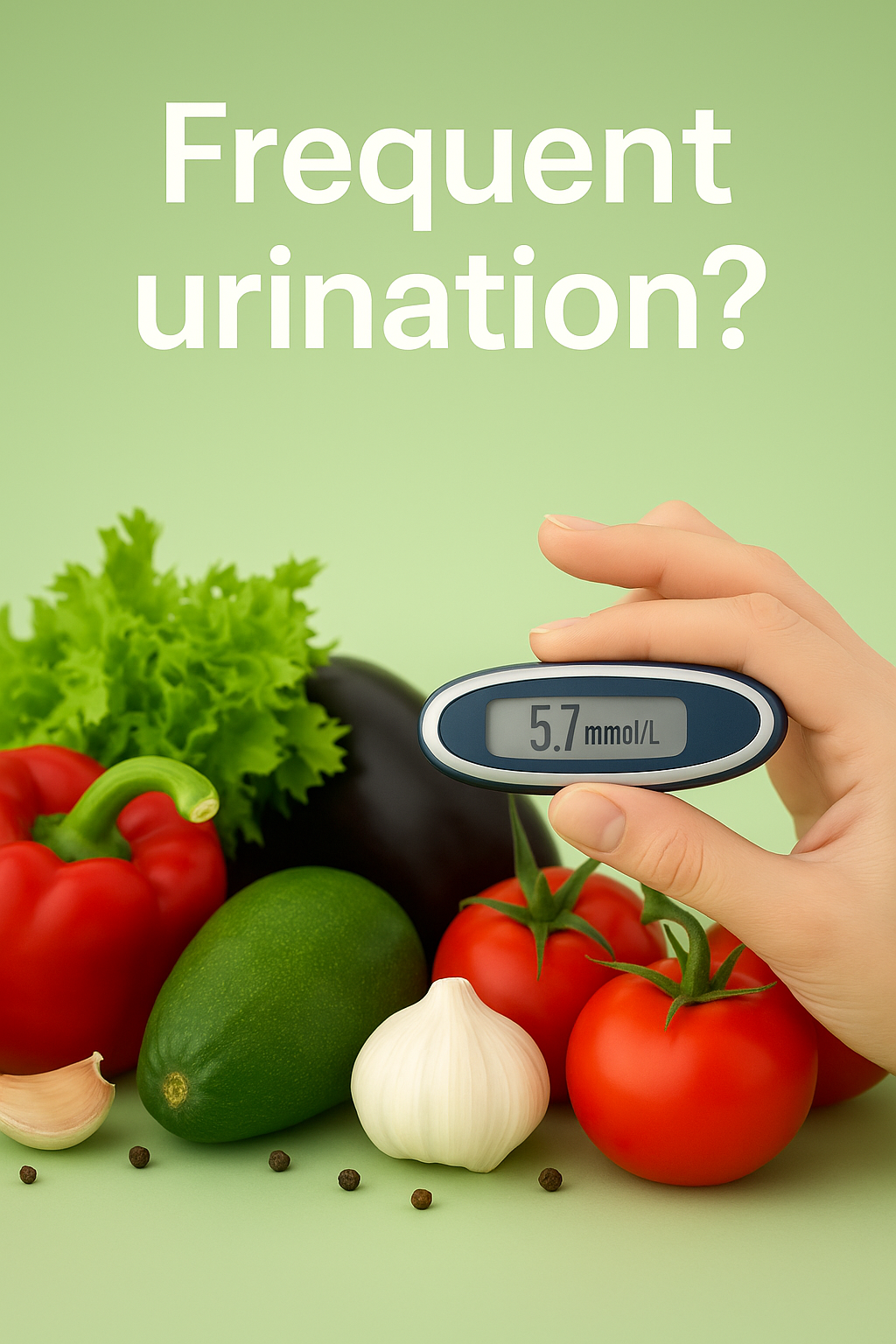
One of the more noticeable changes people report is a shift in urine — either its color, or simply needing to go far more often than usual, especially at night. According to the Mayo Clinic, frequent urination is one of the most common early signs associated with elevated blood sugar, since the kidneys work overtime to filter out extra glucose. If you notice this pattern lasting more than a few days, it's worth mentioning to your doctor, who can run a simple blood sugar test to see what's going on.
2. Persistent Fatigue and Unusual Thirst
Feeling more tired and thirsty than usual is easy to blame on overwork or poor sleep — and often, that's exactly what it is. But when tiredness and thirst show up together and stick around for several days despite rest, the American Diabetes Association lists both as common early symptoms worth paying attention to. It's less about any single tired afternoon and more about a pattern that doesn't seem to have an obvious cause.
3. Leg Cramps That Come Out of Nowhere
Frequent leg cramps, or cramps triggered by ordinary movements, can be one of the first physical cues that something is off with your metabolism. Leg cramps have many causes — dehydration, low magnesium, or simply sitting too long — but they're also frequently mentioned alongside other early blood-sugar-related symptoms. If they become a regular occurrence rather than an occasional annoyance, it's a reasonable prompt to get your levels checked.
4. A Noticeably Bigger Appetite
Feeling unusually hungry, even shortly after a full meal, can be your body's response to cells not getting the energy they need efficiently. The CDC notes increased hunger as one of the classic signs people experience alongside elevated blood sugar. It becomes more worth watching if it's paired with unexplained weight loss — that combination in particular is worth flagging to a healthcare provider.
5. Puffiness Around the Eyes
Everyone gets puffy eyes occasionally — after a salty meal, a rough night, or one too many drinks. But eye puffiness that shows up regularly, without an obvious trigger, can sometimes be connected to how the body is handling fluid and blood sugar. It's a subtler sign than most, and one that's easy to miss precisely because it seems so ordinary.
6. Itchy or Irritated Skin
Itchy skin, especially around the neck or underarms, has plenty of everyday explanations — dry weather, a new detergent, a mild skin condition. Still, persistent itching in these areas without another clear cause is sometimes associated with fluctuating blood sugar, according to health resources from the Mayo Clinic, which also lists areas of darkened or irritated skin as a symptom worth discussing with a doctor.
The Bottom Line
None of these signs, on their own, mean you have diabetes — many have far more ordinary explanations. But if you notice two or three of them showing up together and lingering for more than a few days, it's a good reason to schedule a simple blood test rather than wait it out. Early awareness is one of the most powerful tools people have, and it starts with simply listening when your body speaks up.
Information on this website is for educational purposes only and is not medical advice.
expert, nutritionist
 Would you like to be informed about news on the website?















|

