




Parsley and Lemon Water: The Humble Morning Drink With a Centuries-Old Following
expert, nutritionist
In short: parsley-and-lemon water is a low-cost, low-risk way to add vitamin C, antioxidants, and fluids to your morning — some people also find it a pleasant substitute for a sugary breakfast drink. It is not a proven "detox," weight-loss, or medical treatment, and a few groups (see below) should skip it or check with a doctor first.
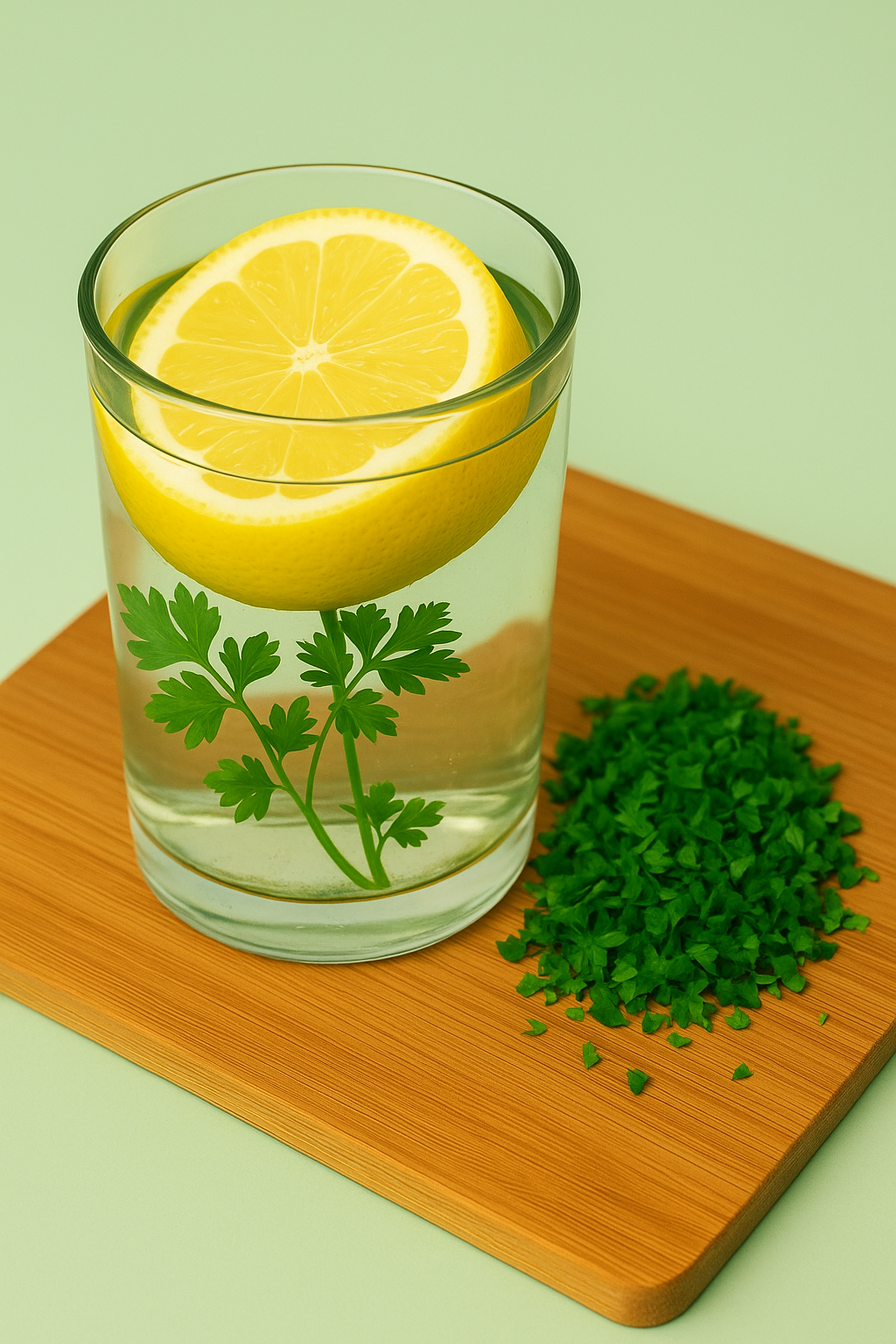
A glass of lukewarm water, half a lemon, and three sprigs of fresh parsley — that's the entire recipe behind a drink that's quietly been part of many family kitchens for years. Simple, cheap, and surprisingly aromatic, it was passed down as part of a morning routine long before nutrition blogs and magazines around the world started writing about it.
One reader told us she stumbled onto the drink almost by accident, while looking for a way to wake up without reaching for coffee. "My neighbor's grandmother told me her parents used to drink parsley and lemon water every spring, as a way to 'clean out' the body after winter," she said. "I've noticed I reach for sugary snacks less since I started, and I feel like my digestion is a bit easier." Personal experiences like this are, of course, subjective and vary from person to person — but they help explain why this simple drink has stayed popular for so long.
Another longtime fan of the ritual said it had simply become a habit tied to her morning routine — something she looked forward to rather than a chore, more comparable to a cup of tea than a supplement.
How to make it
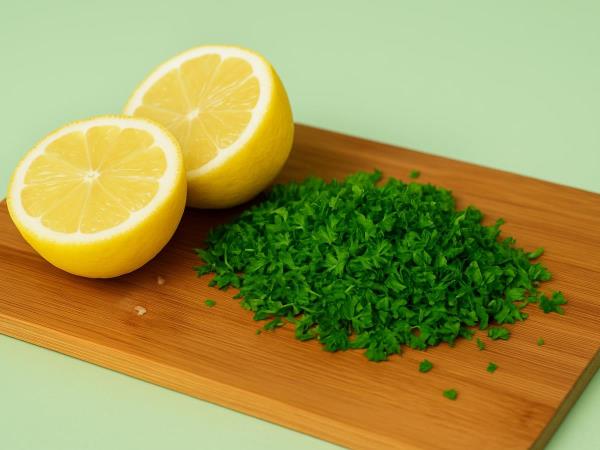
If you'd like to try it: first thing in the morning, on an empty stomach, squeeze the juice of half a lemon into roughly 200 ml (about 7 oz) of lukewarm water, and add three sprigs of finely chopped fresh parsley. Most people who drink it stick to this for a maximum of five days at a time, then take a break of at least ten days.
A note of caution: parsley in large amounts can be taxing on the nervous system, so one to two glasses a day is plenty. Parsley also acts as a fairly strong natural diuretic, so it's worth drinking noticeably more water than usual throughout the day when you have it — especially in warmer months. That mild diuretic, flushing effect is, for many people, the main appeal of the drink.
Why the combination is so popular
Start with weight management: lemon juice is one of the more popular natural aids people reach for when watching their weight, while parsley's natural diuretic properties help the body shed excess fluid. Research on parsley extract has demonstrated a measurable diuretic effect in animal studies, and separate laboratory research has looked at its role in reducing calcium-oxalate crystal formation, which is relevant to kidney stone prevention. Some traditional sources also credit the parsley-lemon pairing with supporting kidney and adrenal function, though this is based more on folk use than controlled human trials.
The vitamin C content deserves its own mention. Parsley is one of the more surprising rich sources of this vitamin — per 100 grams, raw parsley actually contains more vitamin C than a raw orange, according to USDA nutrient data. Even a small handful of the fresh herb can cover a meaningful share of the recommended daily vitamin C intake published by the U.S. National Institutes of Health's Office of Dietary Supplements. Vitamin C is an important antioxidant that helps protect cells from oxidative stress and supports normal immune function.
You may also come across claims online that parsley and lemon can increase the oxygen-carrying capacity of blood by several times — sometimes cited as high as "19 times." This is a popular claim that circulates widely online, but there is currently no solid scientific evidence to support a figure anywhere near that, so it's best treated as folklore rather than fact. What is better supported is that parsley is genuinely rich in antioxidants — and interestingly, several studies on herbs, including parsley, have found that drying can concentrate certain antioxidant compounds; one comparative study found dried herbs including parsley had roughly two to four times higher phenolic content than the same herbs fresh. Antioxidants matter because they help neutralize free radicals in the body, which many researchers associate with lower long-term risk of a range of chronic conditions.
A note on temperature
However hot the day, most traditional versions of this drink call for no ice. It's meant to be drunk lukewarm — some believe that a very cold drink first thing in the morning may cause the body to "tense up" digestively, potentially blunting the drink's mild benefits. This idea is rooted in traditional practice rather than robust clinical evidence, but it's an easy rule to follow if you want to try it the traditional way.
Who should be cautious
Parsley in larger-than-culinary amounts isn't right for everyone. It's traditionally advised against during pregnancy in concentrated or medicinal quantities, since parsley in higher amounts has been linked to uterine stimulation — a caution echoed by resources like the NIH's LactMed database. People on blood-thinning medication should also be careful, since parsley is fairly rich in vitamin K, which plays a role in blood clotting. The same caution applies to anyone already taking prescription diuretics, since combining two diuretic effects can lead to excessive fluid loss. If you're unsure, it's worth checking with your doctor or pharmacist before making this a regular habit — especially if you're managing a chronic condition or taking daily medication.
Other ways to enjoy parsley and lemon
If you like the simple morning version, it isn't the only popular pairing of these two ingredients. We've previously covered a homemade garlic, parsley, and lemon combination, which some readers say adds an extra kick to the effect, as well as a green morning drink some attribute to well-known wellness figures, where parsley and lemon are joined by spinach, cucumber, celery, and apple. For fans of older traditions, there's also an 800-year-old recipe attributed to Hildegard von Bingen, which simmers parsley together with wine and honey.
If parsley on its own interests you, you might also like our piece on why parsley is considered a genuine superfood from the garden, or our roundup of three easy ways to use parsley in everyday cooking. If tea is more your style, you may enjoy the recipe for an old-fashioned parsley tea that dates back to medieval kitchens.
The bottom line
Parsley and lemon water is one of the more enduring pairings in home food traditions — simple, inexpensive, and backed by a long history of everyday use. While some of the more dramatic claims about it (like a many-fold increase in blood oxygen) aren't supported by solid science and are best treated as folklore, it is genuinely true that the combination offers vitamin C, antioxidants, and extra fluids, and can be a pleasant addition to a morning routine when enjoyed in moderation. As with any change to your diet, listen to your body, don't overdo it, and check with a healthcare professional first if you're pregnant, on medication, or managing a chronic health condition.
Information on this website is for educational purposes only and is not medical advice.
expert, nutritionist
 Would you like to be informed about news on the website?














|

