


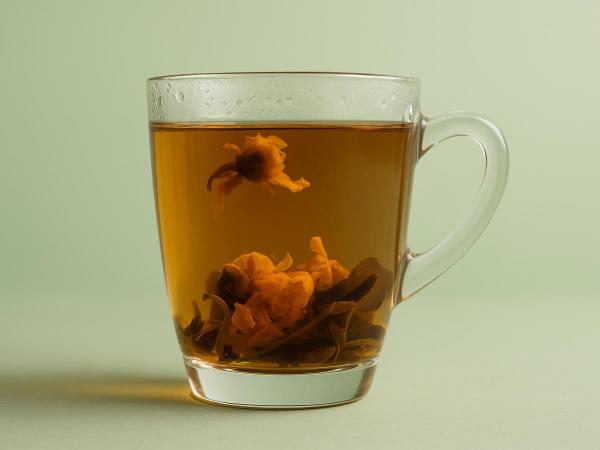



This Isn't a Detox Fad — It's a 3,000-Year-Old Habit Hiding in Plain Sight
expert, nutritionist
Long before "detox water" became a wellness-influencer buzzword, households across India were already doing something close to it — quietly, patiently, one slow sip at a time. Ayurvedic medicine has used warm, spiced infusions like this for thousands of years, long enough that the practice has outlasted plenty of more recent health trends.
People who try this ritual for the first time tend to describe a similar arc: mild curiosity on day one, a bit of skepticism by day two, and then — often around day three — the first sense that something in their digestion has settled down. That timeline lines up with what Ayurvedic practitioners have observed anecdotally for generations, even if rigorous clinical trials on the exact combination are still limited.
Why This Particular Combination?
The appeal of this water lies mostly in its simplicity: three kitchen-cupboard spices, water, and patience. Rather than promising a dramatic overnight transformation, it's positioned — in Ayurvedic tradition — as gentle, ongoing support for digestion, particularly as the seasons shift and food starts to feel heavier than it does in summer.
That framing is worth taking seriously, because each of the three core ingredients has a documented history in digestive research, even if the full glass of infused water hasn't itself been the subject of clinical trials:
- Ginger has been studied for its effect on gastric motility. Research on ginger's effect on lower esophageal sphincter pressure, along with a broader review of its traditional and pharmacological uses, points to real mechanisms behind its reputation as a digestive aid.
- Cumin has a long history in Ayurvedic and Unani medicine as a carminative. A pharmacological review of Cuminum cyminum summarizes decades of research into its traditional digestive applications.
- Fennel is one of the most researched "digestive" herbs, thanks to its anethole content. A comprehensive review of Foeniculum vulgare's traditional and pharmacological profile and a plain-language clinical health-library summary both note its long-documented use for bloating and mild digestive discomfort.
It's worth being honest about the limits here: most of the strongest evidence looks at these ingredients individually, often in concentrated extract form — not this specific home-brewed combination. The traditional Ayurvedic claim is that consistent, gentle habits (like this one) support digestion over time, rather than delivering a single dramatic effect. As with any wellness routine, it works best as a complement to good sleep and regular meals — not a replacement for medical care.
A Habit, Not Just a Recipe
In Ayurvedic thinking, the water itself is only part of the picture. Traditional guidance often pairs it with a few basic lifestyle habits: a consistent sleep schedule, a short daily walk, and winding down in the evening rather than staying up late. None of these are dramatic changes — which may be exactly why the routine has stuck around for so long. People managing stress, low energy, or general sluggishness sometimes find that small, boring, repeatable habits like this one are easier to sustain than more intense interventions.
What You'll Need
- 3 thin slices of fresh ginger
- 1/4 teaspoon cumin seeds
- 1/4 teaspoon fennel seeds
- A pinch of black pepper
- 2 fresh mint leaves
- 2 liters of water
How to Prepare It
Bring the water to a boil, then pour it into a dark glass bottle so it cools very slowly. Add the remaining ingredients once the water is in the bottle, and let everything steep until it reaches room temperature. Preparing it the night before, so it's ready to drink from the moment you wake up, works well for most people.
Sip it slowly throughout the day rather than drinking it all at once. Ayurvedic tradition suggests giving it at least three days before expecting to notice any difference — consistency matters more than any single glass.
Information on this website is for educational purposes only and is not medical advice.
expert, nutritionist
 Would you like to be informed about news on the website?













|

