






Why Can't You Stop Eating? It Might Not Be Willpower — It Might Be Your Food
expert, nutritionist
You finish a full plate and, twenty minutes later, you're back at the fridge. If that sounds familiar, you're far from alone — and it's rarely about a lack of self-control. A growing body of nutrition research points to a less obvious culprit: the food itself may simply be giving your body less to work with than it used to.
"I used to think something was wrong with me," one Foodwhisper reader shared after switching from packaged snacks to home-cooked meals with more vegetables and legumes. "It wasn't until I started eating more whole foods that I actually felt full after dinner — not just stuffed." Her experience lines up with what a number of nutrition scientists have been documenting for years.
Thinner Food, Bigger Portions
Several long-term studies comparing crop data across decades have found measurable declines in key nutrients in common fruits and vegetables. A widely cited analysis by biochemist Donald Davis and colleagues at the University of Texas, comparing USDA nutritional data from 1950 and 1999, found notable drops in protein, calcium, iron, and vitamin C across dozens of garden crops. A more recent review published via the National Library of Medicine reached similar conclusions, pointing to soil depletion and high-yield farming practices bred for size and shelf life rather than nutritional density.
None of this means today's produce is unsafe or "empty" — fruits and vegetables remain a cornerstone of a healthy diet. But it may help explain why a plate that looks the same as one from 50 years ago doesn't always leave us feeling the same way.
The Flavor Problem
It's not only nutrients — flavor has taken a hit too. Food scientists note that modern produce is often bred and harvested for durability and appearance rather than taste, a shift documented in crops from tomatoes to melons. Watermelon is a familiar example: as growers moved toward seedless, easier-to-transport varieties, many shoppers report the fruit tasting blander than the ones they remember — a shift plant breeders themselves have discussed openly, even as they argue newer varieties are, on balance, sweeter.
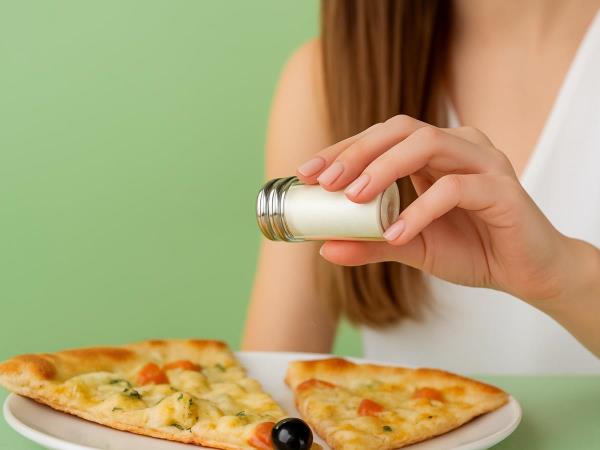
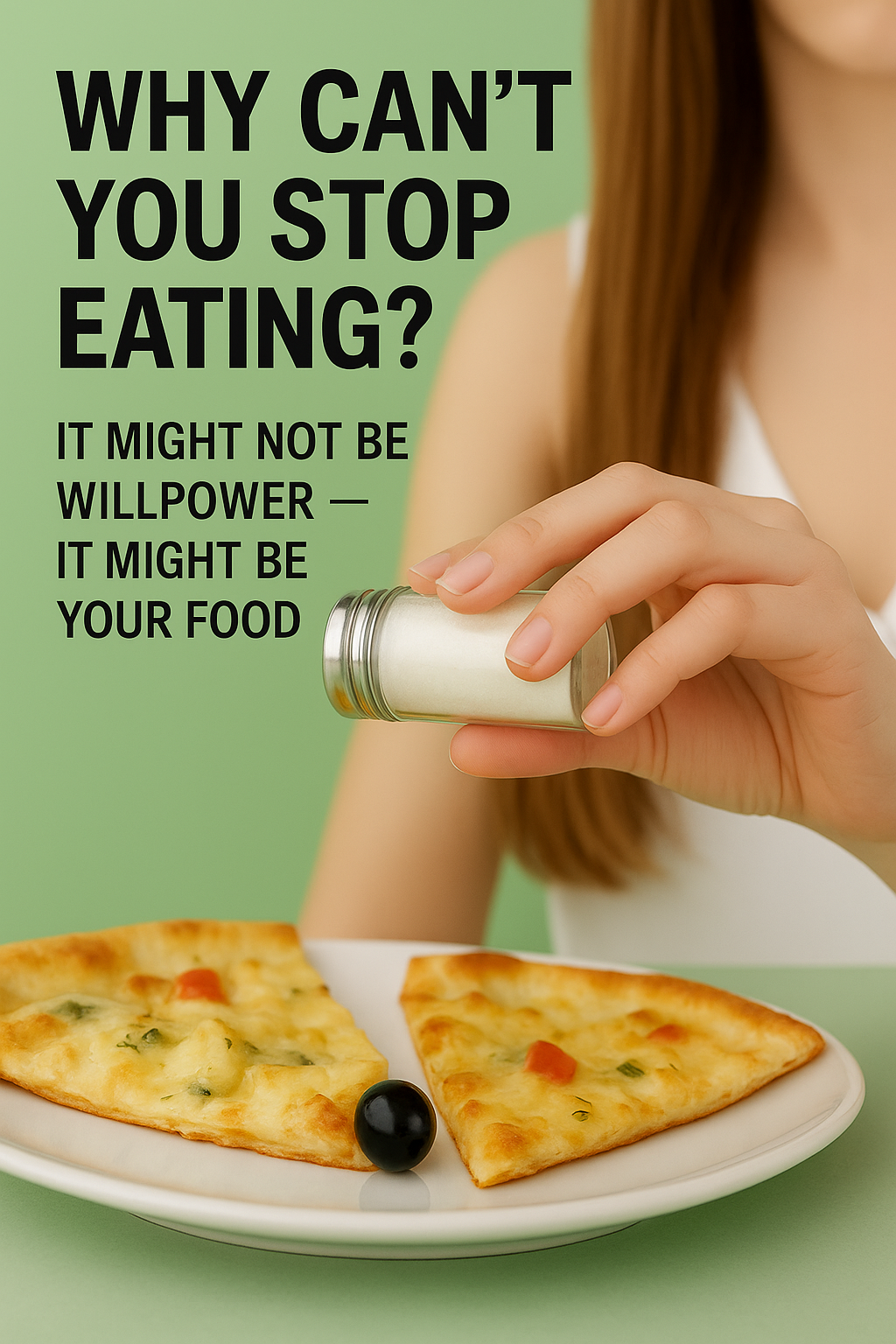
Blander food often gets a familiar fix at home: more salt. It's an understandable instinct — salt is one of the fastest ways to make food taste like something — but it's worth knowing what leaning on it too heavily can mean for your health. For flavor-boosting alternatives that don't rely on the salt shaker, see Salt Is a Silent Enemy: 8 Herbs and Spices Worth Knowing About.
What We Know About Salt
Most major health bodies, including the World Health Organization, recommend keeping salt intake under 5 grams a day — roughly a teaspoon — while global average intake runs close to double that. A large international analysis published in the New England Journal of Medicine estimated that excess sodium consumption is associated with around 1.65 million cardiovascular-related deaths worldwide each year, mainly linked to its effect on blood pressure.
It's a common assumption that eating salty food simply flushes fluid out of the body. In reality, the picture is more nuanced: high sodium intake is more often associated with the body retaining extra fluid, which is part of why it can raise blood pressure over time — not with straightforward weight loss. If you're trying to eat a bit lighter on salt, easy swaps include leaning on citrus, garlic, and fresh herbs, tasting before you salt rather than after, and rinsing canned foods like beans or vegetables before cooking with them.
What This Means for You
If you regularly find yourself unable to feel satisfied after a normal-sized meal, it's rarely a sign of poor willpower. Whole, minimally processed foods — vegetables, legumes, whole grains, and unprocessed proteins — tend to be more filling per calorie than heavily processed alternatives, partly because of fiber and protein content, and partly, some researchers argue, because they're simply richer in the nutrients your body is looking for.
Small, gradual changes tend to stick better than dramatic ones: adding a vegetable to a meal you already enjoy, choosing whole fruit over juice, or cooking a favorite recipe from scratch instead of a packaged version.
Information on this website is for educational purposes only and is not medical advice.
expert, nutritionist
 Would you like to be informed about news on the website?














|

