





The Unlikely Duo: What Happens When Apple Meets Zucchini in the Same Strudel
expert, nutritionist
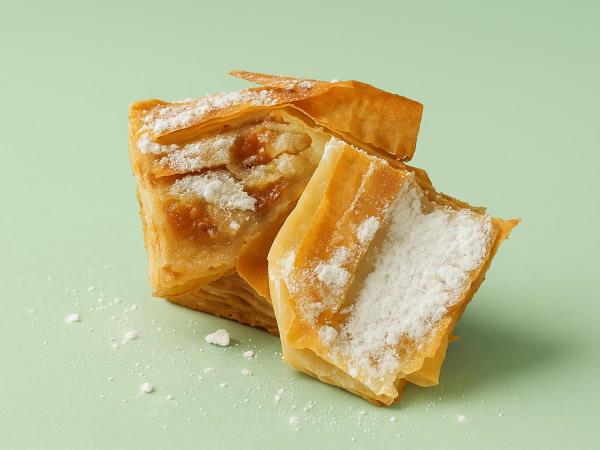
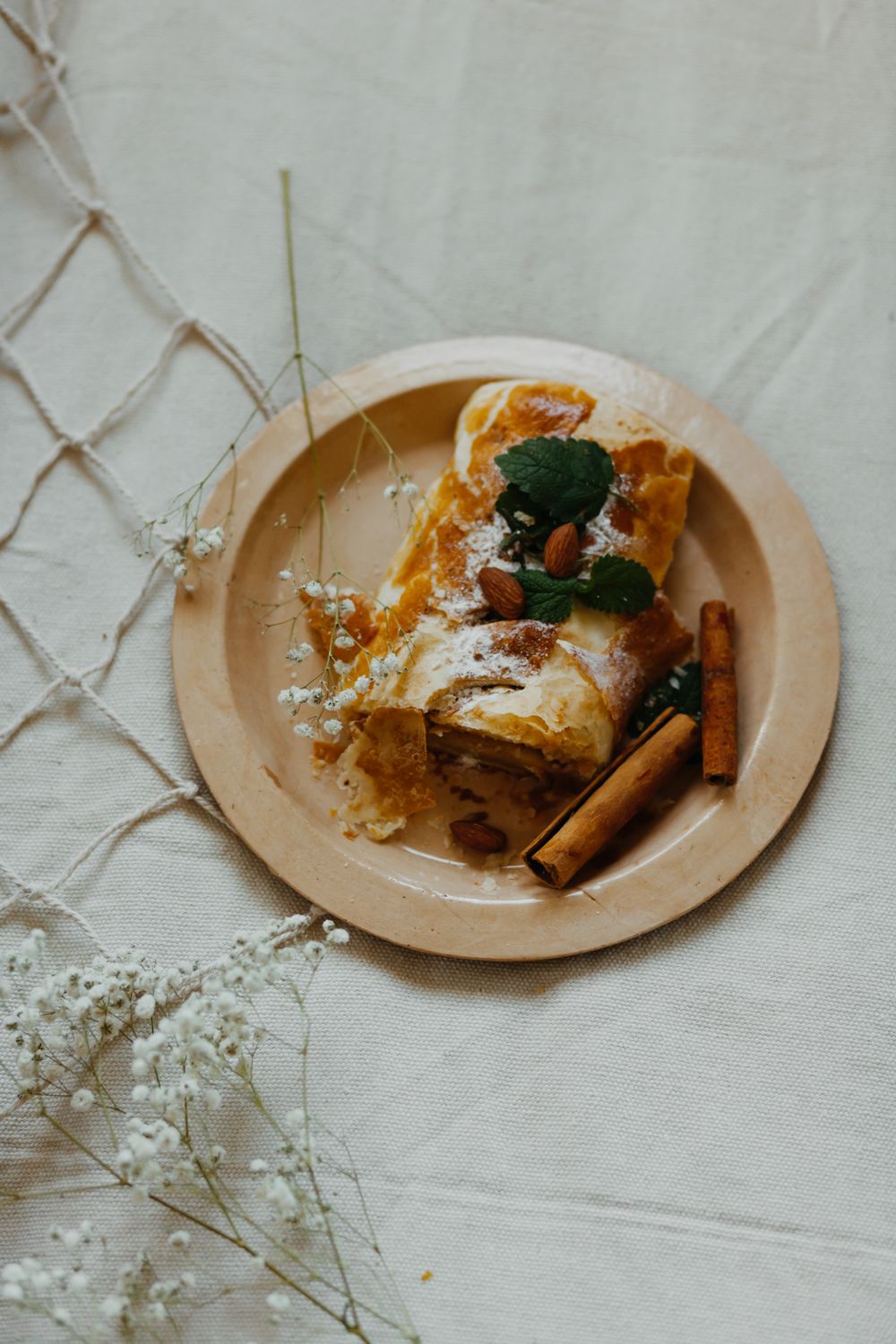
Bite into a classic apple strudel and you already know what's coming: that sharp, sweet-tart punch of cooked apple wrapped in impossibly crisp pastry. It's a flavor most of us grew up with. But swap out a third of the filling for grated young zucchini, and something unexpected happens — the sourness softens, the texture turns silkier, and the whole pastry feels lighter without losing a bit of its comfort-food charm. It sounds like a kitchen accident. It isn't.
Home bakers who've tried folding a mild summer squash into a fruit-based pastry often describe the same reaction: skepticism at the mixing bowl, followed by surprise at the first slice. One reader who shared her experience baking this exact combination said the zucchini "disappeared completely" into the filling, leaving behind only a subtler, rounder sweetness — no trace of "vegetable" flavor, just a strudel that tasted less sharp than usual and, in her words, "dangerously easy to keep eating." That's really the whole appeal of this recipe: it's a strudel that tastes familiar, refined by an ingredient nobody would guess is in there.
Why Apple and Zucchini Actually Work Together
The pairing isn't as random as it looks on paper. Apple strudel has been a staple of Central European baking since the 18th century, built on the same basic logic everywhere from Vienna to Ljubljana: tart apples, warm spice, and a pastry that shatters when you cut into it. Zucchini, on the other hand, is prized in the kitchen mostly for being unassertive — it's roughly 95% water and carries very little flavor of its own, which is exactly why it's often shredded into muffins, breads, and sauces to add moisture without adding taste (a trick Healthline's overview of zucchini's nutrition profile touches on when describing its high water content and mild character).
Put the two together and the zucchini's job is simple: it dilutes the apple's acidity and adds moisture to the filling, so the finished strudel tastes rounder and less puckery than a filling made from apples alone — while the apples still supply nearly all of the sweetness and aroma. Nothing about the flavor profile of zucchini fights the apple; it just gets out of the way.
A Gentle Word on Nutrition (Without Overselling It)
It's tempting to call a dessert like this "healthy," but that's a stretch — this is still a pastry made with butter, sugar, and refined dough, and it should be treated as an occasional treat rather than a health food. That said, folding a vegetable into the mix isn't purely a texture trick. Apples contribute genuine nutritional value in their own right: they're a source of dietary fiber and plant compounds called polyphenols, which have been studied for their potential role in supporting healthy metabolism. A 2022 study published in the Journal of Agricultural and Food Chemistry found that apple polyphenol extracts were associated with reduced body-weight gain in animal models fed high-carbohydrate diets — early-stage, non-human research, but a reasonable indication that the compounds in apples may do more than just taste good.
Zucchini adds a little more of the same: modest amounts of vitamin C, potassium, and antioxidant compounds, all while contributing very few calories to the overall filling, according to WebMD's nutrition breakdown of zucchini. None of this turns a butter-and-pastry dessert into a health food — but it's a small, genuine upside layered onto a comfort bake, and it may make this a slightly lighter option than a strudel made from apples and sugar alone. As always, anyone managing diabetes, a specific diet, or any medical condition should treat this as an occasional indulgence and check with a healthcare professional about how it fits their needs.
Ingredients
- 6 to 8 apples (a tart-sweet variety works best)
- 1 medium-large young zucchini
- Puff pastry (store-bought or homemade)
- Breadcrumbs
- Ground cinnamon
- Cane sugar
- 1 egg
Method
- Peel 6 to 8 apples. A tart-sweet variety gives the best balance of flavor.
- Peel the zucchini and grate both the apples and zucchini coarsely, the way you would grate turnip for a slaw.
- Butter a baking dish and lay down a sheet of puff pastry.
- Sprinkle breadcrumbs over the pastry, then add a layer of the grated zucchini and apple. Dust with cinnamon and sweeten with cane sugar.
- Add another sheet of pastry on top and repeat the layering process.
- You can build up more layers to taste, but more than two tends to make the strudel heavy rather than better.
- Finish with a final sheet of pastry on top, brushed with beaten egg to give the crust its signature golden crunch.
- Bake for 1 hour at 170{-15696}C (340{-15696}F).
- Dust with powdered sugar just before serving, if you like. Remember: the apples bring the tang, and the zucchini is what mellows the whole thing out.
Information on this website is for educational purposes only and is not medical advice.
expert, nutritionist
 Would you like to be informed about news on the website?










|

