


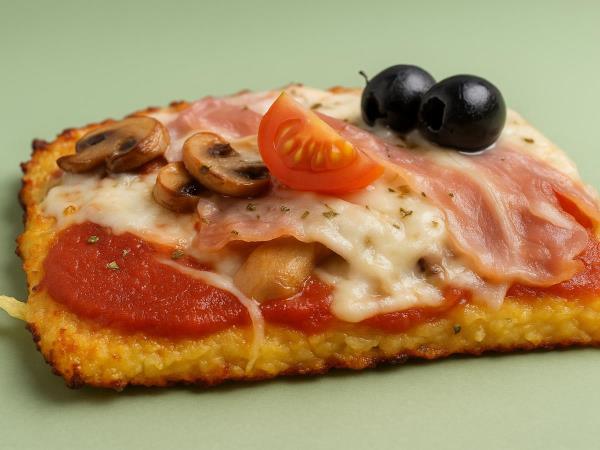





When Cauliflower Becomes Dough: The Gluten-Free Pizza That Surprises Everyone
expert, nutritionist
Picture pulling a pizza out of the oven that looks and smells exactly like the real thing — golden, bubbling with cheese, edges slightly charred — except the crust underneath is made from a vegetable most people only ever boil or steam. That's the trick of cauliflower crust: it delivers the ritual of pizza night without the flour, and for anyone avoiding gluten or watching their carbohydrate intake, that trade-off can feel like a genuine discovery.
One reader who wrote in after trying an earlier version of this recipe put it simply: she'd been skeptical for years that a "fake" crust could ever be satisfying, but after pressing the water out of the cauliflower properly and baking it until it held its shape, her family didn't ask a single question about the missing dough. It disappeared in one sitting — toppings, olives, and all.
That's really the heart of this recipe: cauliflower rice standing in for flour. It's a swap that's become popular well beyond low-carb circles — carbohydrates themselves aren't the enemy people sometimes make them out to be, but for those who are gluten-sensitive, managing weight, or simply want a lighter dinner, a vegetable-based crust is a genuinely useful option to have in the rotation.
Ingredients
For the crust:
- 1 medium head of cauliflower (about 400 g once the liquid has been pressed out)
- 100 g finely grated Emmental cheese
- 2 eggs
- A pinch of turmeric and cayenne pepper (optional)
- ½ teaspoon sea salt (or herbed salt)
For the topping:
- 2 large tomatoes
- 1 clove garlic
- 1 teaspoon each dried oregano and basil
- 200 g fresh mushrooms
- 1 large onion
- A few slices of bacon
- 100 g Gouda cheese
- Herbed salt and pepper, to taste
- A handful of olives and cherry tomatoes
- 1 tablespoon butter
- 2 tablespoons olive oil
Method
Break the cauliflower into florets and pulse it in a food processor until it resembles fine, rice-sized grains — a box grater or a sharp knife works too, if you don't mind a bit more effort. Wrap the grated cauliflower in a clean kitchen towel and squeeze out as much liquid as you can; this step matters more than it seems, since a soggy base won't crisp up in the oven. Salting the cauliflower lightly beforehand makes the water easier to press out — if you do this, skip adding extra salt later.
Transfer the cauliflower to a bowl, then add the grated cheese, eggs, and spices. Mix thoroughly so everything is evenly distributed. Spread the mixture onto a baking sheet lined with parchment paper, shaping it into a large circle about half a centimeter thick. Bake at 200{-15696}C (390{-15696}F) for 20 minutes, until the edges start to turn golden.
While the base bakes, prepare the toppings. Chop the tomatoes and saut{-15447} them in olive oil with the garlic, oregano, basil, salt, and pepper until you have a thick, smooth sauce — canned crushed tomatoes work just as well if you stir in the same herbs and a spoonful of olive oil. Slice the mushrooms, salt them lightly, and pan-fry them in butter until golden.
Once the crust is baked, spread it with the tomato sauce, then layer on the mushrooms, thinly sliced onion, bacon, and grated Gouda. Finish with a sprinkle of oregano, a few olives, and quartered cherry tomatoes. Drizzle with olive oil and return to the oven at 220{-15696}C (430{-15696}F) for another 10 minutes, until the cheese is bubbling.
Why This Works for Gluten-Free and LCHF Eating
Because the crust replaces flour entirely with cauliflower, eggs, and cheese, this pizza fits naturally into a gluten-free diet — a way of eating that some people follow by medical necessity and others choose for personal reasons. For anyone managing celiac disease specifically, a gluten-free diet isn't just a preference — it's the primary way the condition is managed, and recipes like this one can make that restriction feel a little less like a limitation.
It also happens to slot neatly into a low-carb or LCHF pattern of eating, since the bulk of the base is a low-starch vegetable rather than refined flour. That said, no single recipe is a substitute for professional dietary advice — if you're managing celiac disease, a food intolerance, or any other health condition, it's worth checking in with a doctor or registered dietitian about what fits your needs.
Beyond the dietary angle, there's a simpler appeal here: it's a way to get an extra serving of vegetables into a meal that doesn't feel like "eating your vegetables" at all — which, gluten or no gluten, is probably reason enough to give it a try.
Information on this website is for educational purposes only and is not medical advice.
expert, nutritionist
 Would you like to be informed about news on the website?











|

