






Corn: The Summer Superfood We All Underestimate
expert, nutritionist
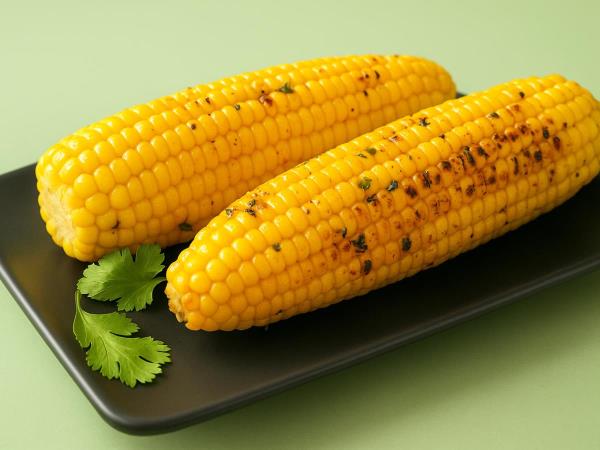
Picture this: a golden ear of corn, fresh off the grill, dripping with butter, the kind of smell that pulls the whole street toward your backyard. It looks like the simplest food in the world. And yet, underneath that humble husk sits a surprisingly generous nutritional profile — one that quietly supports digestion, may be gentler on blood sugar than people assume, and even shows up in skincare aisles for a reason.
Corn has a way of sneaking into people's happiest memories, famous or not. Singer Sabrina Carpenter has fondly recalled that as a kid, the corn on the cob at her hometown's Musikfest was almost the whole reason she looked forward to the event, joking that she went for the concert but really went for the corn. It's a small memory, but it captures something real: corn isn't just a side dish, it's woven into how a lot of people remember summer.
A Fiber-Rich Grain With a Gentler Effect on Blood Sugar
Corn is, technically, a whole grain — and like other whole grains, it brings dietary fiber to the table, along with a relatively low fat content. Fiber is one of the more consistently studied nutrients when it comes to digestion: it can help keep things moving, support a feeling of fullness, and, according to major health bodies like the Mayo Clinic, soluble fiber may help the body manage cholesterol and blood sugar levels as part of an overall healthy diet.
As for corn's glycemic index specifically, it tends to sit in the low-to-moderate range depending on the variety and how it's prepared — boiled or grilled whole-kernel corn generally has a gentler effect on blood sugar than processed corn products like corn flakes or corn chips, according to glycemic index data compiled by Foodstruct's nutrition database. A broader meta-analysis published in the journal Nutrition & Metabolism also found that regular whole grain intake was associated with modestly better blood sugar markers over time, which is a promising, if preliminary, signal for grains like corn eaten in their whole form (view the study). None of this makes corn a treatment for any condition — but it does suggest a boiled or grilled cob is a reasonably diabetes-friendly choice compared to many processed snacks. If you're curious about how starchy foods in general can affect digestion and bloating, our piece on Food that makes you fat, even if it does not fatten digs into that a little further.
Protecting Your Eyes, One Kernel at a Time
One of corn's lesser-known claims to fame is its carotenoid content — specifically lutein and zeaxanthin, the yellow-orange plant pigments that also give corn its color. These two compounds are known to accumulate in the macula of the human eye, and a review published via the National Institutes of Health notes that diets rich in lutein and zeaxanthin have been associated with a lower risk of age-related eye conditions in observational research. Separate food-composition research has found that corn and corn products are actually one of the main dietary sources of zeaxanthin in particular (study details here).
It's worth being careful with the wording here: this is associative, population-level research, not a guarantee that eating corn will protect any individual's eyesight. But it's a reasonable, food-based way to add more of these pigments to your plate — and cooking actually helps, since heat can improve the bioavailability of some plant carotenoids, a point we explore further in Food That Is Healthier Cooked Than Raw.
Heart Health, Cholesterol, and a Gentle Word on Pregnancy
The fiber in corn does double duty: alongside digestion, soluble fiber has been linked in research to modest reductions in LDL ("bad") cholesterol, which is one reason heart-health guidelines from institutions like Harvard Health continue to recommend more whole-grain, fiber-rich foods as part of a heart-conscious diet. Again, corn is a contributor here, not a magic bullet — pairing it with vegetables, lean proteins, and healthy fats is what actually builds a heart-friendly plate.
Corn also contains small amounts of folate, a B-vitamin that health authorities such as the U.S. Food and Drug Administration note is especially important before and during pregnancy. That said, corn alone isn't a sufficient folate source for pregnancy needs, and anyone who is pregnant or planning to be should talk to their doctor about a proper prenatal vitamin rather than relying on any single food.
Beauty from Within: Corn, Biotin, and Skin
Corn's connection to skincare isn't just marketing — it's part of why you'll spot corn-derived ingredients in cosmetics. Some of that reputation traces back to biotin (vitamin B7), a nutrient traditionally associated with hair, skin, and nail health. It's worth noting, though, that the science here is more modest than the marketing suggests: the NIH Office of Dietary Supplements points out that most people already get enough biotin through a varied diet, and that solid evidence for biotin dramatically improving skin or hair in healthy adults is still limited. So while corn can be a small part of a skin-supportive diet, no single food is going to replace a good skincare routine or a dermatologist's advice for issues like rashes or eczema.
Not All Corn Is Created Equal
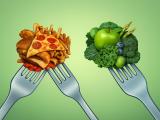
Here's an important caveat many "corn is a superfood" headlines skip: most of the benefits above are strongest for corn eaten close to its whole, minimally processed form — boiled, grilled, or made into traditional polenta from good-quality corn. Heavily processed corn products, like some corn flakes, sweetened cereals, or corn syrup–based snacks, don't carry the same fiber and nutrient profile, and can behave very differently in the body. If you want to dig deeper into how processed grains and additives can sneak into everyday meals, our article on foods that may be worth rethinking at breakfast is a good next read.
The Campfire Trick for Better Roasted Corn
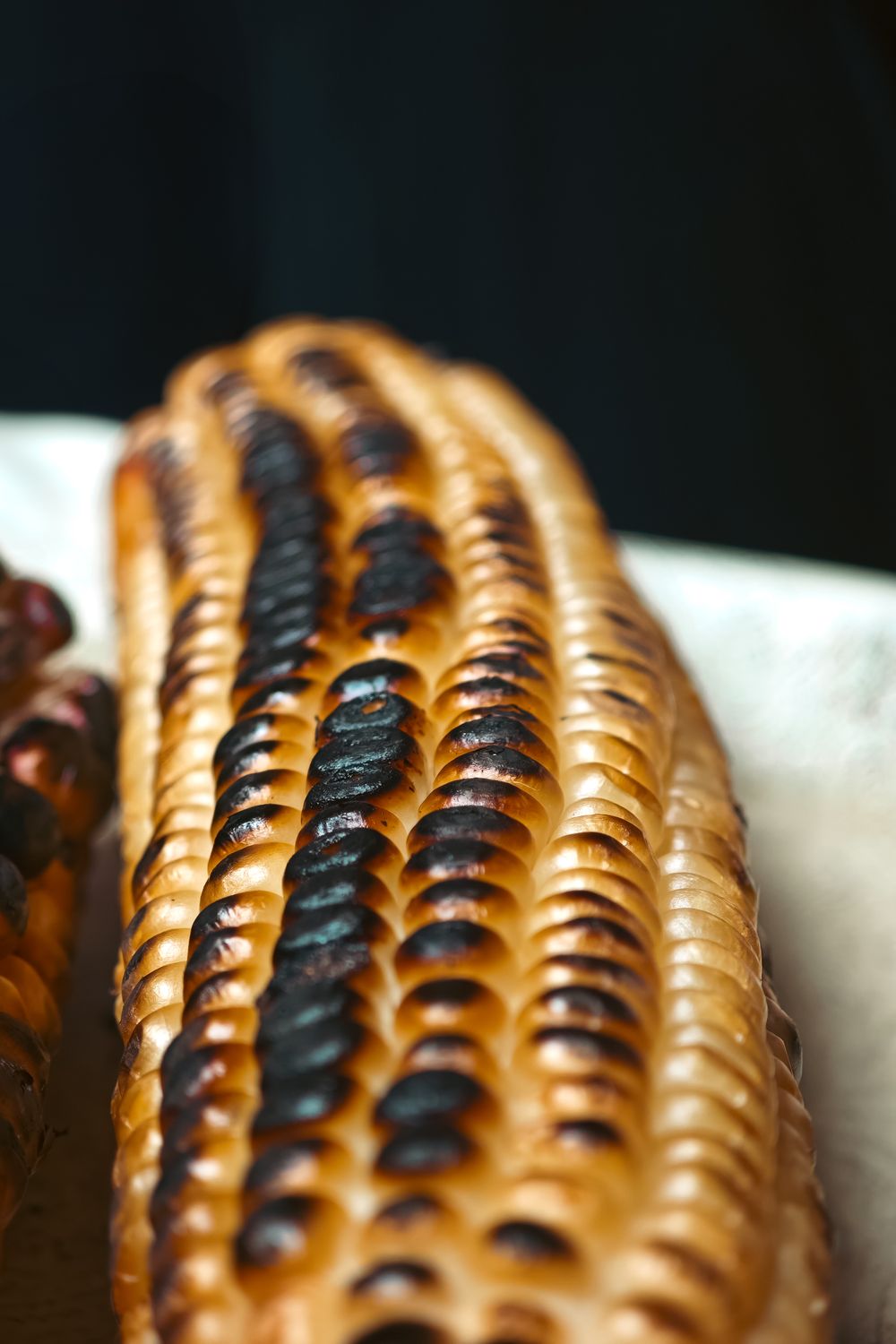
If you're planning to roast corn the old-fashioned way, over an open fire, here's a simple trick: leave a few of the husk leaves on the cob instead of stripping it bare. They act as a natural shield, helping keep those golden kernels from scorching while the inside cooks through evenly. A pat of butter melted over the hot cob at the end doesn't hurt either — it rounds out the flavor and makes the whole experience feel like summer.
Information on this website is for educational purposes only and is not medical advice.
expert, nutritionist
 Would you like to be informed about news on the website?









|

