





Three Ingredients, One Habit: The Russian Folk Drink Even Tibet Adopted
expert, nutritionist
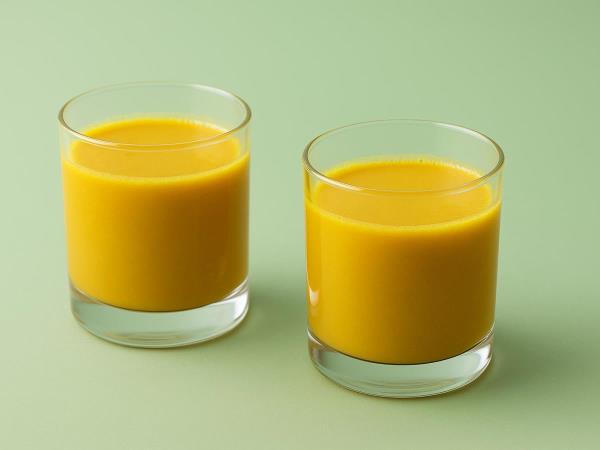
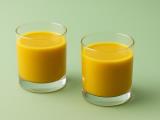
Every autumn, the same ritual repeats itself: the first cough in the office, the first sniffles on the bus, and the first box of tissues on the kitchen table. But in many villages across Russia, people have been reaching for something else long before the season begins — a thick, golden, slightly tangy drink made from just three ingredients that almost every household already has: kefir, pumpkin and honey. No pills, no powders, no complicated recipes. Just a blender and a habit.
The idea that fermented milk can be a quiet ally for health is not new — and it once had a Nobel laureate as its most famous fan. {-15479}lie Metchnikoff, the Russian-born scientist who shared the 1908 Nobel Prize in Physiology or Medicine for his work on the immune system, became fascinated by the long lives of Balkan villagers who drank soured milk every day. While working at the Pasteur Institute in Paris, he made fermented milk a fixed part of his own daily diet and spent his later years arguing that the "good" bacteria in fermented foods might help keep the gut — and with it the whole body — in better balance. Many of his specific theories have since been revised, but his core intuition, that what lives in our gut matters, helped lay the groundwork for today's research on probiotics.
From Russian Villages to the Tibetan Plateau
If you want to look after yourself during the season of flu and colds, it makes sense to take care of your immune system through good sleep, movement and a varied diet. Here we present a simple drink made from only three ingredients, which has also been adopted in Tibet, and was first published by the Russian nutritionist, writer and researcher of traditional folk medicine Gennady Petrovich Malakhov. Malakhov has written more than 60 books — according to his publishers, more than 30 million copies have been sold — and his works have been translated into many of the world's languages (biography). He still travels across Russia, recording folk traditions and household remedies.
That is how, among other things, he came across this "elixir of health," which is especially popular in places where seasonal illnesses are common and long winters make fresh produce scarce. Its popularity in Tibet is not surprising either: fermented milk from yaks and other animals has been part of life on the high plateau for centuries, as the Penn Museum's Expedition magazine describes in its overview of the great "fermented milk belt" stretching from the Caucasus to Mongolia and Tibet.
It is important to say clearly: this is a traditional recipe, not a medicine. Its appeal lies in the fact that each of the three ingredients brings something genuinely nourishing to the glass.
What You Will Need
- 4 cups of kefir (homemade kefir usually contains a far greater variety of live cultures than store-bought)
- 150 g of cooked pumpkin
- 1 tablespoon of honey
Preparation:
Blend all three ingredients well until smooth, and store the drink in the refrigerator. Traditionally, it is drunk between meals: two cups a day in the first week, three in the second, and four cups a day in the third week. Folk tradition credits this drink with much more than seasonal support — people say it helps with digestion, metabolism, blood values and body weight, and many drink it as part of a weight-loss routine. Science has not tested this exact combination, so these claims should be read as tradition rather than proven fact. What we can say is that each ingredient has its own interesting story.
A nutritionist's tip: four cups a day is a substantial amount — close to a litre of kefir plus honey, which adds up to several hundred calories. If you are watching your weight or blood sugar, it is wiser to start with one cup a day, choose plain unsweetened kefir, and treat the drink as a replacement for a snack rather than an addition to your usual meals. If you like blended drinks, you will find more ideas in our article Tasty and Healthy Meals from the Blender and in 5 drinks that are stronger than dietary supplements.
Kefir: Centuries of Fermentation in a Glass
Kefir originated in the Caucasus Mountains and is made by fermenting milk with "kefir grains" — small, cauliflower-like clusters of bacteria and yeasts living together. A comprehensive review published in Nutrition Research Reviews describes kefir as a source of protein, calcium, B vitamins and a wide range of microorganisms, and summarises research suggesting possible benefits for digestion and the gut environment, while noting that more well-designed human studies are still needed.
One of the most talked-about studies in this field came from Stanford University School of Medicine. In a 10-week trial published in the journal Cell in 2021, adults who gradually increased their intake of fermented foods such as yogurt, kefir and fermented vegetables showed greater diversity in their gut bacteria and lower levels of several markers associated with inflammation. It was a small study and did not test any single "miracle" food, but it supports the old idea that fermented foods can be a worthwhile part of a varied diet. We have also written about how fermented foods may help digestion in the article One Bite of Bread Could Be Crossing a Line Your Gut Won't Forgive.
Kefir is often easier to tolerate for people who struggle with ordinary milk. A study in the Journal of the American Dietetic Association found that adults with lactose maldigestion experienced less discomfort after drinking kefir than after drinking milk, because the cultures in kefir help break down part of the lactose.
Pumpkin: The Orange Colour Has a Reason
The bright orange flesh of pumpkin comes from beta-carotene, which the body converts into vitamin A as needed. According to the National Institutes of Health Office of Dietary Supplements, vitamin A plays a role in normal immune function and in maintaining the mucous membranes that line the nose, throat and gut. Pumpkin is also low in calories and provides fibre and potassium — you can check its full nutrient profile in the USDA FoodData Central database.
There is a small but useful detail here: beta-carotene is fat-soluble, which means it is absorbed better when eaten with some fat. Blending cooked pumpkin with kefir made from whole milk is therefore a clever combination — whether our grandparents knew it or not.
Honey: Sweetness With a Long History
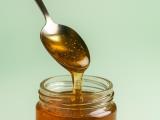
Honey brings natural sweetness that softens kefir's sour taste, and it has been used for centuries in households across Europe and Asia. Modern research takes some of its traditional uses seriously: a Cochrane systematic review concluded that honey may help relieve cough symptoms in children with acute upper respiratory infections somewhat better than no treatment. We look at honey alongside other everyday foods in our article Novak Djokovic Starts His Morning With It — And So Does Almost Every Kitchen in Europe.
Still, honey is a form of sugar, so one tablespoon in the whole batch is enough. Honey should never be given to infants under one year of age, as the U.S. Centers for Disease Control and Prevention (CDC) warns because of the risk of infant botulism.
A Few Words of Caution About Homemade Kefir
If you make kefir yourself, keep in mind that it can contain a small amount of alcohol — usually well under 1%, but sometimes more, up to around 2%, if it ferments for a long time or in a warm place. Homemade kefir contains large amounts of live cultures and, in folk medicine, it has long been used almost like a remedy.
Some people like to drink it during recovery after demanding medical treatments such as chemotherapy. However, people undergoing cancer treatment or living with a weakened immune system should always check with their doctor or oncologist first, because unpasteurised fermented foods contain live microorganisms that are not suitable for everyone. The National Cancer Institute offers guidance on food safety during treatment. People who must avoid alcohol completely, pregnant women, and anyone taking medication should also seek professional advice before drinking larger amounts.
For most healthy adults, though, there is no need to overthink it: even an occasional glass of kefir is a simple, inexpensive way to add more fermented food to your diet. Pair it with other good habits — such as the ones in our article Five Unexpected Allies Against Migraine — From Coffee to Ginger — and you will have built a small, sensible routine for the colder months.
The Bottom Line
Kefir, pumpkin and honey are not a cure for anything — but together they make a creamy, satisfying drink that combines live cultures, beta-carotene and a touch of natural sweetness. It is the kind of habit {-15479}lie Metchnikoff would likely have approved of, and the kind that has quietly travelled from Russian villages all the way to the Tibetan plateau. Enjoy it in moderation, listen to your body, and remember that no single drink can replace sleep, movement and a varied diet.
Information on this website is for educational purposes only and is not medical advice.
expert, nutritionist
 Would you like to be informed about news on the website?





|

