




Big Belly, But You're Not Overweight? 5 Reasons the Scale Isn't to Blame
expert, nutritionist
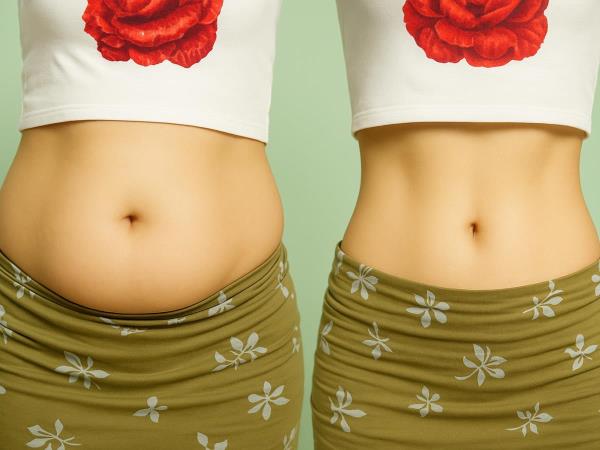
You step on the scale and the number looks fine. Then you catch your reflection in a shop window – and there it is again: a round, tight belly that simply doesn't match the rest of your body. If that sounds familiar, you are far from alone. A bigger belly and excess weight are not always the same thing, and in many cases the cause lies somewhere you would never think to look.
Even some of the world's most photographed women know this feeling. Model and businesswoman Hailey Bieber faced a wave of pregnancy rumors after summer photos showed a slightly rounded stomach. In an interview with GQ Hype she explained that she had simply been bloated and asked, with obvious frustration, whether she couldn't be bloated just once without people assuming she was pregnant (The Blast). Actress Eva Longoria laughed off similar speculation, telling fans that she wasn't expecting – she had just been enjoying a lot of cheese, wine and pancakes on vacation (International Business Times). Their stories are a good reminder: a belly can change shape for reasons that have very little to do with body weight.
Stress, lazy digestion, too little sleep or a sedentary job – each of these factors can cause a protruding belly, even though the scale shows nothing alarming.
A big belly and being overweight are not always connected. How can you tell? When you stick closely to your diet and the kilograms stay put, the reason for your big belly very often lies elsewhere...
Why the scale doesn't tell the whole story
Nutrition experts distinguish between two very different things that can make a belly look bigger. The first is bloating – gas, fluid or slow-moving food in the digestive tract, which can come and go within a single day. The second is fat stored around the waist, including visceral fat, which sits deep inside the abdomen around the organs. According to the Mayo Clinic, a large amount of belly fat is associated with higher health risks regardless of a person's overall weight – which is exactly why a tape measure around your waist can sometimes tell you more than the scale.
The good news? Both bloating and waist fat respond well to everyday habits: what you eat, how you sleep, how much you move and how you handle stress. Let's look at the five most common belly types – counting down to the most frequent one.
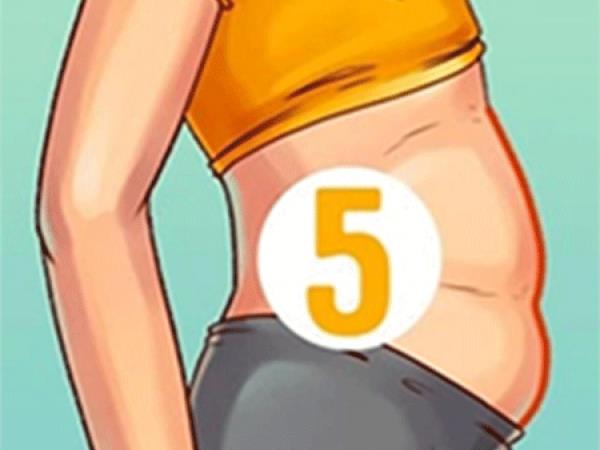
5. "Love handles"
Characteristics: usually on the hips, but also on the upper and lower part of the stomach
Causes: usually too many sweets, too much alcohol and too much sitting
How to get rid of them: Drink less alcohol, although a glass of wine with lunch now and then is unlikely to do harm. Definitely pay attention to your diet and be careful with "low-fat" products, because they often contain more (hidden) sugar and refined carbohydrates to make up for the missing taste – so always check the label. Eat more eggs, vegetables, walnuts, hazelnuts, fish and avocado. And move more.
Nutritionist's note: The "beer belly" isn't caused by beer alone. As the Mayo Clinic explains, alcohol in general adds easy-to-miss calories, and the less you drink, the less likely belly fat is to build up over time. Sweet drinks and snacks work the same way. If you want to know which everyday foods quietly work against your efforts, read Hello, and Fattening: Foods that Sabotage Your Diet.
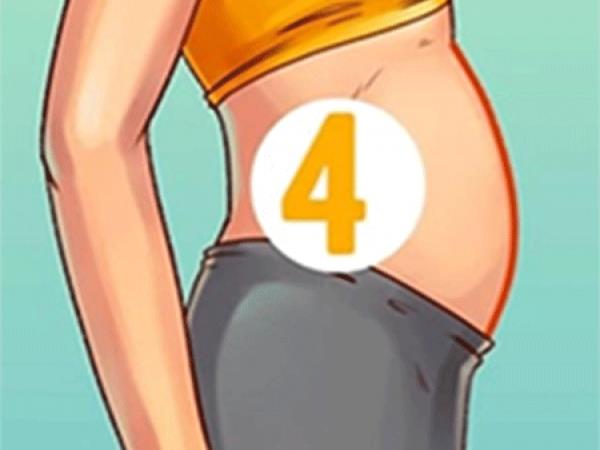
4. The stress belly
Characteristics: a full, heavy belly, mainly around the navel
Causes: chronic stress, skipping meals, a lot of coffee, unhealthy foods (snacks, fried food, fizzy drinks...)
How to get rid of it: If you are one of those people who lose weight on vacation, now you know why. Remember that under stress everyone works worse and less efficiently – and stress doesn't only affect your appetite, it affects your digestion too. More sleep, breathing exercises, long baths and meditation can all help. More movement is helpful as well, and try to include more magnesium-rich foods in your meals – nuts, seeds, leafy greens, legumes and whole grains.
What research says: A well-known study conducted at Yale University and published in Psychosomatic Medicine found that women who stored fat around the waist tended to release more of the stress hormone cortisol in stressful situations – and this was observed even in women who were not overweight (ScienceDaily). The researchers were careful to note that this shows a connection, not a definitive cause, but it fits well with what many people notice in everyday life. Magnesium, meanwhile, is involved in hundreds of processes in the body; you can find a list of good food sources in the NIH Office of Dietary Supplements fact sheet.
It is also worth knowing that excess fat around the waist is generally linked with a higher risk for the heart and blood vessels. If you notice your waistline growing during a stressful period, it's a good reason to have a routine check-up with your doctor – not a reason to panic.
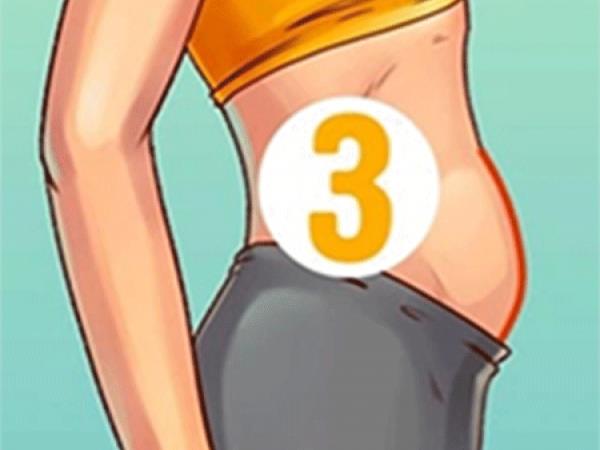
3. The lower belly
Characteristics: as if you had swallowed a ball that got stuck in your intestines
Causes: sedentary work, back problems, or a recent pregnancy
How to get rid of it: Eat healthy food with plenty of fiber, green leafy vegetables and wholegrain bread. An occasional visit to the gym wouldn't hurt either. Choose easily digestible food and drink more water.
A tip for new moms: If the lower belly has stayed rounded months after giving birth, it may not be fat at all. During pregnancy the abdominal muscles can separate – a common condition called diastasis recti. The Cleveland Clinic explains that it isn't painful, is often treatable without surgery, and usually improves with gentle exercises focused on deep breathing and slow, controlled movements. Classic crunches are generally not recommended in this case, so it's worth asking a doctor or a physiotherapist experienced in postpartum recovery for guidance.
For office workers, the simplest change is often the most effective: stand up, stretch or take a short walk at least once an hour. Your posture, your back and your digestion will all thank you.
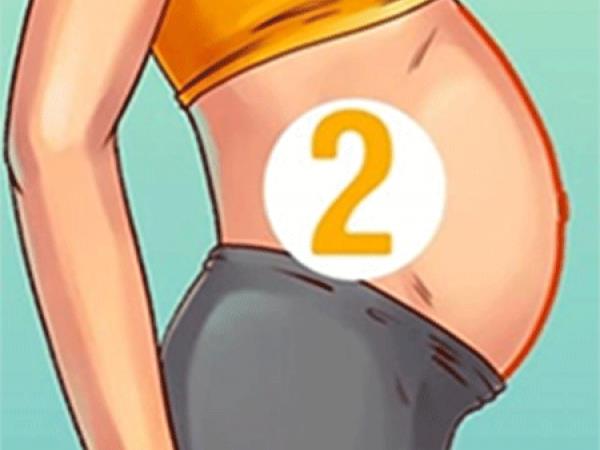
2. The "pregnancy" belly
Characteristics: a belly the size and shape of a pregnant woman's
Cause: you don't devote enough time to yourself
How to get rid of it: Eat more fish and consider fish oil. Eat more nuts, olive oil and everything that helps you overcome fatigue. Poor and (too) short sleep also has a strong influence on this kind of belly. In the morning you should wake up rested and full of energy.
What research says: Sleep may matter more than most of us think. In a randomized study by researchers at the Mayo Clinic, published in the Journal of the American College of Cardiology, healthy young adults who slept only four hours a night for two weeks ate more and showed an increase in abdominal fat – especially the deep, visceral kind – even though their weight rose only slightly. In other words, the change was hardly visible on the scale. We wrote about this study in more detail in the article When you sleep too little, your belly grows – and you won't even notice this on the scale.
One of our readers, a mother of two in her forties, described it this way: for months she was convinced she had to eat even less, until she realized she was sleeping barely five hours a night. Once she started going to bed an hour earlier and stopped scrolling on her phone in bed, she says the evening "heaviness" in her belly gradually eased – and so did her afternoon cravings for sweets.
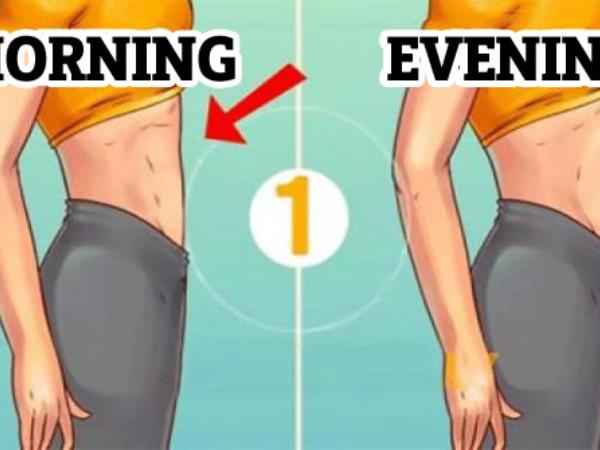
1. The lazy belly
Characteristics: small and almost invisible in the morning, but big and full in the evening
Cause: food sensitivities, slow metabolism, imbalance in the gut
How to get rid of it: Some people find it helps to cut back on foods that commonly cause bloating for them – for example gluten-rich foods, alcohol, yeast-based products or heavily processed dairy. If you suspect a real intolerance (such as to lactose or gluten), talk to your doctor before cutting whole food groups out of your diet, because testing is more reliable before you change what you eat. Include more fresh vegetables, meat, chicken and fish in your meals. Don't skip breakfast. Eat slowly and drink plenty of water throughout the day (spread it out – drinking a liter at once twice a day doesn't count). And don't forget fermented foods with probiotics (yogurt, kefir, whey).
Nutritionist's note: A belly that is flat in the morning and round by evening is the classic sign of bloating, not fat. Gas builds up during the day from swallowed air and from the fermentation of certain carbohydrates in the gut. Researchers at Monash University developed the low-FODMAP approach to help people identify which carbohydrates trigger their symptoms – ideally with the support of a dietitian. Fermented foods may also be worth a try: a 2025 review in the journal Nutrients concluded that kefir may influence the composition of gut bacteria, although the effects differ from person to person.
Some fruits and sweeteners can surprise you, too – learn more in Food that makes you fat, even if it does not fatten. And if you want quick, practical tips for days when your belly feels tight, read Get Rid of Bloating and Excess Water.
Small habits, big difference
Whatever your belly type, the same few habits keep coming up: regular meals instead of skipping and overeating later, plenty of vegetables and fiber, enough water spread across the day, less alcohol and sugar, daily movement, and – often the most underrated of all – good sleep and time to switch off. None of these will work overnight, but together they tend to make a visible and noticeable difference within weeks.
When is it time to see a doctor?
Occasional bloating is completely normal. However, if your belly is swollen most days, if the change came on suddenly, or if it is accompanied by pain, unexplained weight loss, changes in bowel habits, blood in the stool or ongoing fatigue, it's wise to see your doctor. The National Institute of Diabetes and Digestive and Kidney Diseases (NIDDK) offers a clear overview of common causes of gas and bloating and the symptoms worth checking.
Information on this website is for educational purposes only and is not medical advice.
expert, nutritionist
 Would you like to be informed about news on the website?














|

