




10 Foods That Help Keep Your Arteries Healthy – and Why Your Plate Matters More Than You Might Think
expert, nutritionist
Roughly every two seconds, someone somewhere in the world dies from a disease of the heart or blood vessels. According to the World Health Organization (WHO), cardiovascular diseases are the number one cause of death globally, claiming an estimated 17.9 million lives a year – about one in every three deaths. And most of those deaths are caused by heart attacks and strokes.
That sounds frightening. But here is the good news: the WHO itself stresses that most cardiovascular diseases can be prevented by addressing everyday risk factors – and an unhealthy diet is one of the biggest. In other words, a great deal of what happens inside our arteries is decided at the kitchen table.
The president who swapped burgers for beans
Few people illustrate this better than former U.S. President Bill Clinton. During his years in office he was famous for his love of hamburgers, fries and doughnuts. In 2004 he underwent quadruple bypass surgery, and in 2010 he needed two stents to reopen a blood vessel from that bypass. Clinton later told CNN's Dr. Sanjay Gupta that he felt he had been "playing Russian roulette" with his health – and he switched to an almost entirely plant-based diet built on beans, vegetables, fruit and whole foods. He lost more than 20 pounds and said he felt more energetic than in years (Medical News Today).
You don't have to go as far as a former president did. But his story shows that it's never too late to change what lands on your plate – ideally together with your doctor's advice.
Why arteries need care
Our blood vessels are like the pipes in a house: when they're clean, water flows smoothly. When deposits build up, problems slowly pile up too. In medicine this process is called atherosclerosis – fatty plaque gradually narrows the arteries and makes them stiffer. Nature, however, has left us a real pharmacy in plants, seeds, fish and fruit. Below are at least 10 everyday, affordable foods that research links to stronger, more flexible blood vessels. Each one has its own story – and its own scientific background.
Avocado – a natural guardian of the heart and blood vessels
If our grandparents had known the avocado, they might have called it "green gold." This soft, buttery fruit does contain fat – but it's the right kind. Avocados are rich in monounsaturated fatty acids, the same type found in olive oil, which are associated with healthier cholesterol levels.
A randomized controlled trial from Penn State University, published in 2020 in The Journal of Nutrition, found that adults with overweight who ate one avocado a day for five weeks had lower levels of oxidized LDL cholesterol (by nearly 9%) and fewer small, dense LDL particles – the kind considered especially likely to contribute to plaque in artery walls. Participants also had higher levels of the antioxidant lutein.
In addition, avocados are an excellent source of potassium – gram for gram, they contain roughly a third more than bananas. Potassium helps the body balance the effects of sodium, which is why the American Heart Association recommends potassium-rich foods for healthy blood pressure.
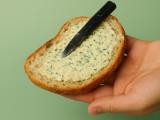
Enjoy avocado with a squeeze of lemon juice, spread on a slice of whole-grain bread or tossed into a salad – and you've already taken a small step toward healthier arteries.
Oily fish – an oil treatment for your blood vessels
A few decades ago, we feared fat the way the devil fears the cross. Today we know there are good fats our bodies simply can't function without. Oily fish such as salmon, mackerel, sardines and trout are rich in omega-3 fatty acids, which are associated with lower inflammation, healthier triglyceride levels and smoother blood flow.
A major review by researchers at the Harvard School of Public Health, published in JAMA, concluded that eating one to two servings of oily fish per week was associated with a markedly lower risk of dying from coronary heart disease – by roughly a third. That's why the American Heart Association recommends two servings of fish a week. Interestingly, Japan, where fish has traditionally been a daily staple, has long had one of the lowest rates of coronary heart disease among developed countries – even though the traditional Japanese diet is relatively high in salt.
If you don't like fish, try ground flaxseed, walnuts or flaxseed oil, which contain plant-based omega-3s. If you're considering fish oil capsules, talk to your doctor first – especially if you take blood-thinning medication.
Walnuts – little guardians of your arteries
Walnuts are like miniature heart helpers you can carry in your pocket. They contain healthy fatty acids (including plant omega-3 ALA), vitamin E, polyphenols and magnesium – nutrients that support relaxed blood vessel walls and healthy circulation.
This was confirmed by the large Walnuts and Healthy Aging (WAHA) study led by the Hospital Cl{-15443}nic of Barcelona in Spain and published in 2021 in Circulation. More than 700 healthy older adults who added about half a cup of walnuts to their daily diet for two years modestly lowered their LDL cholesterol and reduced the number of small LDL particles by about 6% – without gaining weight. The researchers admitted the drop wasn't dramatic, but noted that the participants were already healthy at the start. In folk medicine, walnuts have always been linked to brain power – perhaps because they look like tiny brains.
Add a handful to yogurt, drizzle them with honey, or soak them in water overnight – many people find them softer and easier to digest that way. If you enjoy nuts, you may also like our article Did You Know Cashews Aren't Actually From India - and Why That Matters?
Olive oil – the Mediterranean elixir
Olive oil is the heart of the Mediterranean diet, which doctors around the world often describe as one of the healthiest eating patterns. It contains oleic acid and powerful polyphenols, natural compounds that help reduce inflammation and protect blood vessels from oxidation – in other words, from "rusting" from the inside.
A study from the Harvard T.H. Chan School of Public Health, published in 2022 in the Journal of the American College of Cardiology, followed more than 90,000 Americans for 28 years. Those who consumed more than half a tablespoon of olive oil a day had a 19% lower risk of dying from cardiovascular disease than those who rarely or never used it. Replacing margarine, butter or mayonnaise with olive oil was also linked to a lower risk of death.
To get the most out of it, choose extra virgin olive oil and don't overheat it, since high temperatures can destroy some of its protective compounds. Use it cold on salads, cheese or baked potatoes.
Coffee and caffeine – a surprising friend of your blood vessels
It may surprise you, but coffee isn't always an enemy of good health. Enjoyed in moderation, it may even be a friend to your heart.
A large analysis of UK Biobank data led by researchers from the Baker Heart and Diabetes Institute in Australia and published in 2022 in the European Journal of Preventive Cardiology (a journal of the European Society of Cardiology) found that people who drank two to three cups of coffee a day – ground, instant or even decaffeinated – had a lower risk of cardiovascular disease and a longer lifespan than people who avoided coffee. If coffee isn't your thing, green tea is an excellent alternative: it contains a gentler dose of caffeine and plenty of antioxidants.
Keep in mind that sensitivity to caffeine varies a lot from person to person – and that hot weather changes the rules, as we explain in Coffee in the Heat: Why Hot Weather Changes the Rules for Your Daily Cup.
Turmeric – the spice that works from within
Turmeric is an ancient Indian spice our ancestors didn't know, but would surely have loved. It contains curcumin, a natural yellow compound with anti-inflammatory and antioxidant properties. Laboratory and small clinical studies suggest curcumin may support the function of the inner lining of blood vessels, although larger, long-term studies are still needed.
Folk medicine often combines turmeric with honey and milk in the famous "golden milk." There's real science behind one traditional trick: a study published in Planta Medica showed that piperine, a compound in black pepper, increased curcumin absorption in humans by up to 2,000%. So always add a pinch of black pepper. For a simple daily ritual, read Warm Water with Turmeric Against Winter Troubles.
Pomegranate – the fruit that gets your blood flowing
Pomegranate is often called a natural artery cleaner. Its juice is rich in polyphenols – plant antioxidants that help the body produce nitric oxide, a natural substance that widens blood vessels and improves blood flow.
A study led by Professor Michael Aviram of the Technion – Israel Institute of Technology, published in Clinical Nutrition, found that patients with narrowed carotid arteries who drank pomegranate juice daily had a reduction in artery wall thickness of up to 30% after one year, while in the group without the juice it increased by 9%. Systolic blood pressure also dropped. The study was small, however, and later, larger trials showed more modest results – so think of pomegranate as a tasty helper rather than a miracle cure.
If you can't have it every day, sprinkle the seeds over your breakfast cereal or yogurt – you'll still enjoy plenty of its valuable polyphenols, plus some fiber the juice lacks.
Citrus fruits – sour, but so good for you
Oranges, lemons, grapefruits and tangerines aren't just a source of vitamin C – they're also rich in flavonoids, plant protectors that help keep blood vessel walls in good shape. Vitamin C helps the body build collagen, which is to blood vessels what rebar is to concrete. Without it, vessel walls become weaker.
A meta-analysis of prospective studies published in the Journal of the American Heart Association found that people with the highest dietary vitamin C intake had about a 19% lower risk of stroke, and that every additional 100 mg per day was linked to a 17% lower risk. Interestingly, the benefit was seen with vitamin C from food, not clearly with supplements. Around 200 mg a day equals roughly two to three oranges. A glass of warm lemon water in the morning is a pleasant way to start the day – and an easy reminder to drink enough fluids.
Note: if you take certain medications, ask your doctor or pharmacist about grapefruit, which can interact with a number of drugs.
Whole grains – a natural broom for your blood
The fiber in whole grains works like a broom that helps keep cholesterol in check. Soluble fiber binds part of the cholesterol in the gut, and the body then excretes it.
A large meta-analysis led by Dagfinn Aune of Imperial College London and published in The BMJ, which included 45 studies, found that eating 90 grams of whole grains a day (about three servings, for example two slices of whole-grain bread and a bowl of oatmeal) was associated with a 19% lower risk of coronary heart disease and a 22% lower risk of cardiovascular disease.
The best choices are oats, rye, barley and whole-grain bread without added sugar. There's an old saying: "Porridge in the morning, a light heart all day." And there's truth in it – the European Food Safety Authority recognizes that about 3 grams of oat beta-glucan a day helps maintain normal blood cholesterol levels.
Broccoli – the green guardian of your arteries
Broccoli contains a compound called sulforaphane, which encourages the body to produce its own antioxidants that help protect blood vessels. It is also rich in vitamin K, which may play a role in preventing calcium deposits in artery walls.
A study from Edith Cowan University in Australia, published in 2020 in the British Journal of Nutrition, found that older women who ate more than 45 grams of cruciferous vegetables a day – about a quarter cup of steamed broccoli or half a cup of raw cabbage – were 46% less likely to have extensive calcium build-up in their aorta, the body's main artery.
Broccoli is also a good source of fiber: one cup of cooked broccoli provides around 5 grams. If you don't like it cooked, grate it raw into a salad or steam it lightly – gentle preparation helps preserve the enzyme that forms sulforaphane.
No pills, no panic
The truth is, you don't need expensive supplements to start caring for your arteries. Your blood vessels are grateful for small, everyday decisions:
- use olive oil instead of margarine,
- drink a glass of water with lemon instead of a sugary drink,
- reach for a handful of walnuts instead of chips,
- bake or steam instead of deep-frying – read why in Fried chicken for dinner? Scientists observed 107,000 women for 24 years and discovered what fried food really does to your heart,
- replace some meat with beans and lentils, as explained in Plant Proteins for a Longer Life.
One of our readers, a retired teacher in her sixties, told us she started with just one change: oatmeal with walnuts instead of white toast with jam. "After a few months my doctor was pleased with my cholesterol results," she wrote, "and I honestly enjoy breakfast more than before." Small steps like these are often easier to keep than big resolutions.
Science confirms that diet can change our health surprisingly quickly. In the well-known DASH trial published in the New England Journal of Medicine, a diet rich in fruit, vegetables and low-fat dairy lowered blood pressure within just two weeks. On a global scale, the stakes are enormous: the Global Burden of Disease study published in The Lancet estimated that poor diets were responsible for around 11 million deaths worldwide in a single year – more than any other risk factor, with cardiovascular disease as the leading cause.
And timing matters too, not just what we eat – especially for women, as we explain in Do late meals affect women's heart health? If you're wondering about eggs and cholesterol, you'll find the answer in Is egg really responsible for heart problems?
The power is in our hands
Healthy blood vessels are not a gift – they're the result of care. You don't need exotic supplements. Most of what you need is probably already in your kitchen: olive oil, walnuts, lemons, oats and perhaps an avocado. Let your plate be as colorful as a meadow after the rain. It's one of the most beautiful gifts you can give your heart.
Frequently asked questions
Can food really "clean" clogged arteries?
No single food can scrub away plaque. But a diet rich in vegetables, fruit, whole grains, nuts, olive oil and fish is consistently linked to healthier cholesterol, blood pressure and blood vessels – and to a lower risk of heart disease.
Can these foods replace my medication?
No. They are a valuable addition to a healthy lifestyle, not a substitute for treatment. Never stop or change prescribed medication without talking to your doctor.
How quickly can I expect results?
Some changes, such as lower blood pressure, can appear within weeks; others, like changes in cholesterol, usually take a few months. Consistency matters more than perfection.
Information on this website is for educational purposes only and is not medical advice.
expert, nutritionist
 Would you like to be informed about news on the website?




|

