





Three Ingredients That Soothe a Scratchy Throat: Why a Spotty Banana Is More Than Just Fruit
expert, nutritionist
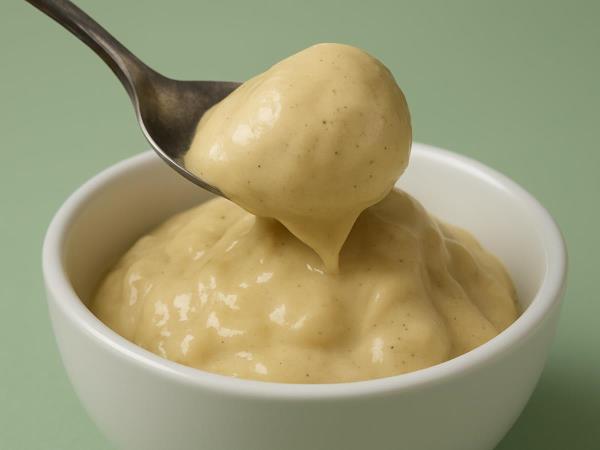
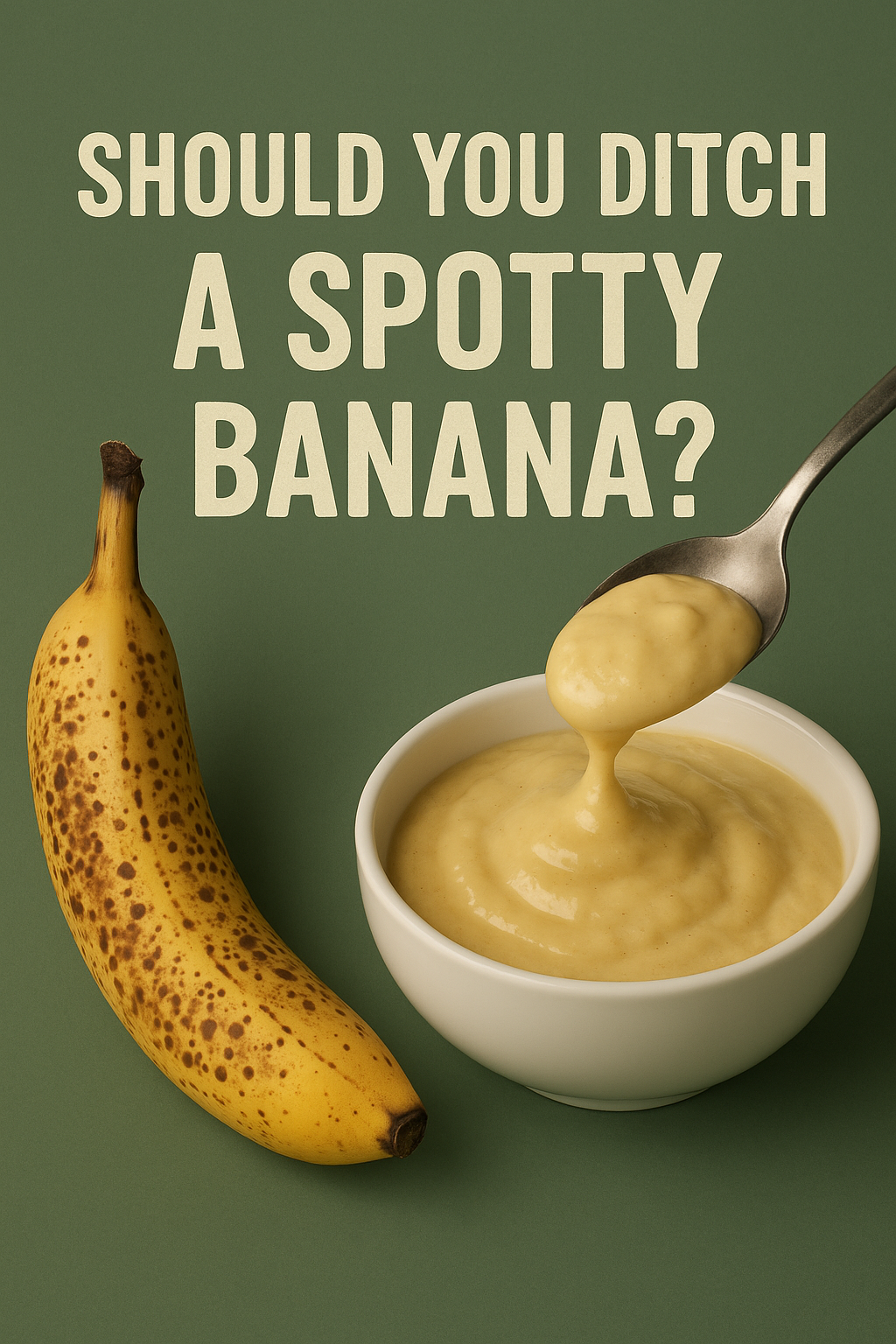
Before you throw out that brown-speckled banana nobody wants to eat, consider this: together with honey and a glass of water, it can become one of the most comforting drinks you make all season. Honey is now recommended by Britain's health guideline body for coughs, ahead of antibiotics. The spotty banana is what makes the drink creamy and naturally sweet.
Honey is a familiar trick for people who depend on their voices. Actress and singer Victoria Justice told EatingWell that before she sings, her go-to drink is a throat-soothing herbal tea with a little honey stirred in, because the warmth feels good on her vocal cords. Many of our readers describe a similar habit. One reader told us her grandmother made a banana-and-honey drink every time someone in the house started coughing in October. "It wasn't magic," she wrote, "but it was the one thing my sore throat could actually enjoy."
A Simple Drink for Gloomy Autumn Evenings
This is a simple drink that could easily become a regular part of your autumn evenings. Many people drink a glass a day during cold season to soothe a scratchy throat, calm a tickly cough and settle a sensitive stomach. Banana is one of the gentlest fruits on the digestive system, and honey coats the throat. That makes the combination a comforting companion when the weather turns.
To be clear, it will not prevent or cure respiratory infections, bronchitis or inflammation. It can, however, make a few uncomfortable days a little easier, as part of a sensible routine of rest, fluids and fresh food.
What the Research Says About Honey and Coughs
Honey is the ingredient with the most scientific support:
- A 2021 systematic review and meta-analysis in BMJ Evidence-Based Medicine by researchers from the University of Oxford pooled 14 studies. It found that honey improved symptoms of upper respiratory tract infections, especially cough frequency and severity, more than usual care. The authors noted that better placebo-controlled trials are still needed. Harvard Health Publishing summarised the findings and added that the studies do not prove honey is a cure.
- The Cochrane review Honey for acute cough in children concluded that honey probably eases cough symptoms more than no treatment or placebo. It may also perform similarly to some common over-the-counter cough ingredients. The authors noted that most children in the studies were treated for only one night.
- The UK's National Institute for Health and Care Excellence (NICE) lists honey in its acute cough guideline as a self-care option for people over one year of age. NICE describes the supporting evidence as limited, and the guideline aims to cut unnecessary antibiotic use.
- Specialists at the Cleveland Clinic explain that honey's thick, sticky texture coats the throat. They also point out that it is not a substitute for medical care when an infection is bacterial.
Why the Banana Should Be Spotty
The riper the banana, the better it works here. As a banana ripens, much of its starch turns into natural sugars. That makes it softer, sweeter and easier to blend into a silky drink. According to the Harvard T.H. Chan School of Public Health's Nutrition Source, bananas are rich in potassium and fibre and low in sodium. They also supply vitamin B6 and some vitamin C. When your appetite is low because of a cold, a drink like this is an easy way to get a little energy and nourishment.
Ingredients
- 2 medium ripe bananas (the more black spots on the peel, the better)
- 400 ml water (about 1⅔ cups)
- 3 tablespoons honey
Preparation
First boil the water and let it cool to room temperature. Use ripe bananas; the more black spots on the peel, the better. Add homemade or local honey and blend everything until the honey has completely dissolved. Many traditional recipes say to use as few metal utensils as possible. There is no scientific evidence that metal affects the drink, so treat this as an old family custom rather than a rule. Divide the drink into 3 to 4 equal portions and sip them throughout the day.
Traditionally the drink is not kept in the fridge, because cold liquids can feel harsh on a sore throat. Since it contains fresh fruit, keep it in a cool place, make a fresh batch every day and throw away any leftovers. Many people like to warm each portion gently before drinking, to around body temperature (about 36 {-15696}C / 97 {-15696}F). That temperature is comforting and well below the point where boiling would spoil honey's delicate flavour.
When to Drink It
The traditional recommendation is to drink a portion about half an hour before meals, with the last portion about half an hour before bed. Many people then have nothing else except water. Honey taken at bedtime is the use best supported by research. It can help calm a night-time tickle so you get the rest your body needs.
A Few Sensible Precautions
- Never give honey to babies under 12 months, because of the risk of infant botulism. The U.S. Centers for Disease Control and Prevention (CDC) warns about this. The drink is suitable only for older children and adults.
- Three tablespoons of honey plus two ripe bananas add up to a lot of natural sugar. If you have diabetes or are watching your blood sugar, ask your doctor or dietitian whether, and how much, suits you.
- See a doctor if a cough lasts more than three weeks, or if you have a high fever, shortness of breath, chest pain or symptoms that get worse quickly. A home drink should never delay proper care.
More Warming Ideas for Cold Season
If you enjoy simple kitchen rituals for the colder months, you might also like Warm Water with Turmeric Against Winter Troubles and the traditional honey-and-ginger chest wrap in Miraculous Ginger Compresses.
Information on this website is for educational purposes only and is not medical advice.
expert, nutritionist
 Would you like to be informed about news on the website?











|

