






Carbohydrates Are Not the Enemy: Why Your Brain Truly Needs Them
expert, nutritionist
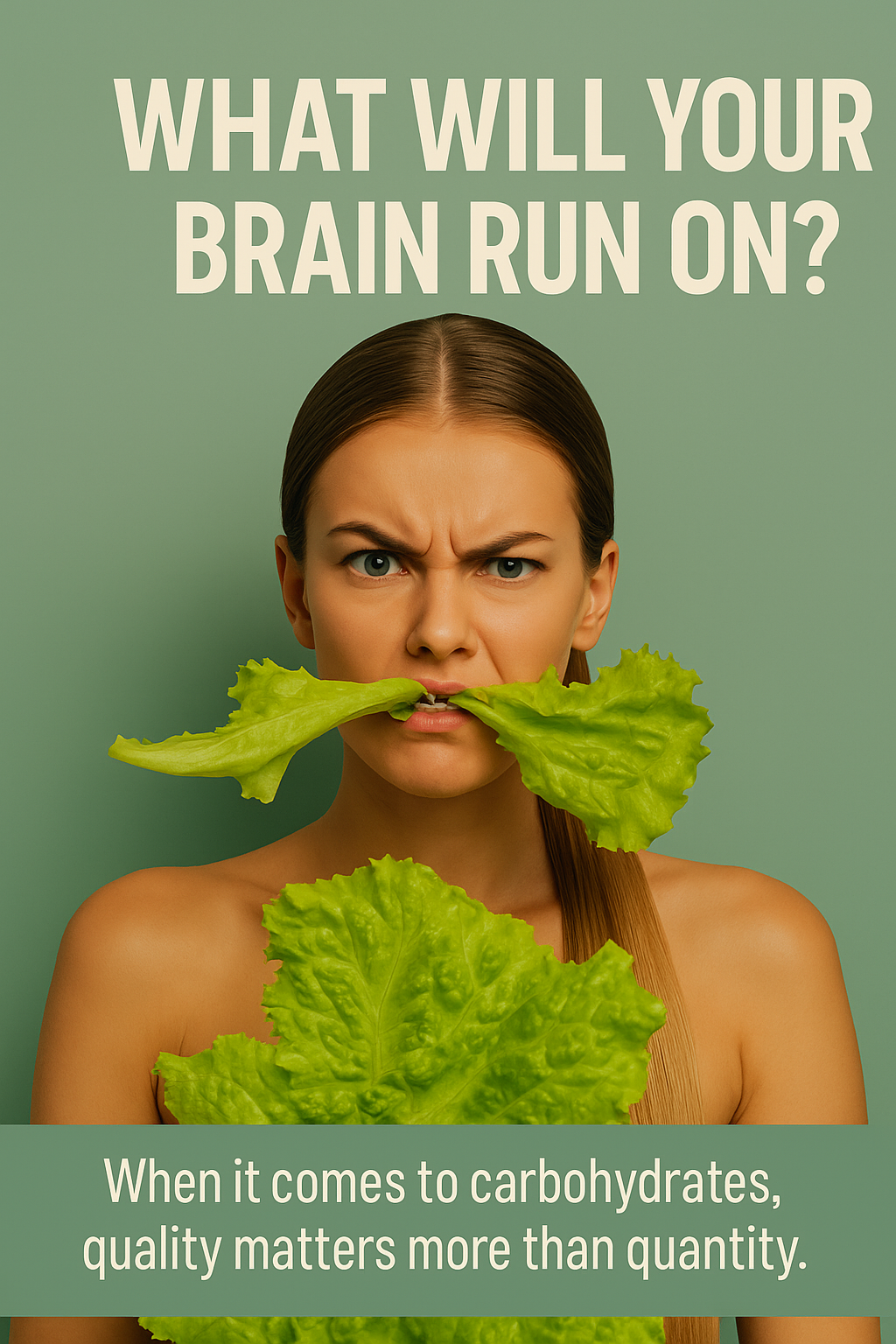
Your brain makes up only about 2% of your body weight, yet it burns through roughly 20% of your energy every single day. Its favorite fuel? Glucose, which comes mainly from carbohydrates. So the next time someone tells you to cut carbs completely, it is worth asking a simple question: what will your brain run on? When it comes to carbohydrates, quality matters far more than quantity.
What happened when LeBron James gave up carbs
In the summer of 2014, basketball superstar LeBron James made headlines with an extremely strict diet. As he told Sports Illustrated and CNN, he went 67 days with no sugar, no dairy and no carbs, eating only meat, fish, vegetables and fruit. He lost a noticeable amount of weight, but he also admitted in a CBS Sports interview that he dreamed about pancakes "all the time" and that the cookie monster chased him in his sleep.
There is an interesting detail hidden in his story that most people miss. Fruit and vegetables are carbohydrates. What LeBron really cut out were refined carbohydrates such as sugar, pastries and pancakes, while he kept the fiber-rich, nutrient-dense ones. That is exactly the distinction this article is about. It also shows how hard a truly strict approach is to keep up, even for a world-class athlete with a team of professionals behind him.
The first thing you will hear about carbohydrates is that you need to cut back on them if you want to lose weight. This is true, but only to a certain extent. If your body does not get enough carbohydrates, it turns to breaking down fat to obtain enough energy for normal functioning.
Sounds like an ideal scenario, right? We still have energy, we feel full, and we lose weight. But not everything is quite so ideal.
Why are carbohydrates more important than you think?
First, let's clear one thing up: carbohydrates are all the foods that the body breaks down into simpler sugars. The main one of these is glucose, the sugar the body uses directly for energy. When we do not get enough carbohydrates, the body starts using fat instead. But it is not always that simple...
Why isn't it as simple as it looks? Because your brain, the small computer inside your head, needs glucose. According to classic research published in PNAS (Proceedings of the National Academy of Sciences), the adult brain represents about 2% of body weight but accounts for around 20% of the body's energy use, with glucose as its main fuel. When glucose runs low, functions that really matter to us may suffer: memory, concentration and clear thinking.
Researchers even believe carbohydrates may have shaped who we are as a species. A team led by nutrition scientist Jennie Brand-Miller suggested that sugars and starches from fruit, honey and underground plant foods may have helped fuel the growth of the human brain over the course of evolution, as reported by Nutrition Insight.
So if you opt for a diet with no carbohydrates, or a very low intake, you may enjoy quick calorie savings, but it could also be a "stab in the back" for your mind and your enjoyment of life.
A small but often-quoted study from Tufts University illustrates this nicely. As summarized by UF Health, women who cut out carbohydrates such as bread, pasta and rice for one week did worse on memory tests than women following a more traditional reduced-calorie diet. Once some carbohydrates returned to their plates, their scores improved again.
Refined and unrefined carbohydrates: what does it mean?
Here is another distinction that is well worth understanding: there are refined and unrefined carbohydrates.
Refined carbohydrates are foods in which the fiber (the tough plant structures that help digestion) and many nutrients have been removed or greatly reduced. These include most sweets, white bread, white rice, pastries and sugary drinks. If you eat this kind of food, you will probably get a quick burst of energy, but only for a short time.
Unrefined carbohydrates still contain their fiber and more nutrients. Think of whole grains, fruit, vegetables and legumes such as beans, lentils and chickpeas. They provide both carbohydrates and fiber, which means energy is released more slowly and more evenly. The Harvard T.H. Chan School of Public Health also stresses that the type of carbohydrate in your diet matters more than the total amount.
Why does this matter? Because eating patterns rich in fiber and quality carbohydrates have been associated with better brain function and healthier aging. A recent scientific review on carbohydrates and the brain notes that different types of carbohydrates may influence mood and cognitive performance in different ways. On the other hand, a high intake of refined carbohydrates has been linked in some studies to weaker cognitive performance, meaning poorer thinking and memory.
So it is not just about how much carbohydrate we eat. The quality and the source of those carbohydrates matter just as much. If you want to know which everyday foods may quietly work against you, take a look at 5 Foods That Shorten Your Lifespan.
What happens if we give up carbohydrates completely?
The body starts breaking down fat. More formally, it shifts into a state in which it uses ketone bodies (substances produced when fat is broken down) for energy. A diet built around this is called a ketogenic diet. And yes, under medical supervision, a very low-carbohydrate diet can be genuinely useful in certain conditions, for example in some forms of epilepsy, as the Epilepsy Foundation explains.
However, the brain is then running without its usual fuel. Although the body adapts, glucose remains the brain's preferred energy source. Some people report problems with memory, concentration and mood, especially in the first weeks. Researchers who analyzed online forum posts and published their findings in Frontiers in Nutrition found that users described dozens of different short-term symptoms under the popular name "keto flu."
Digestion and the immune system can also take a hit. If fiber intake is low, digestion may suffer and beneficial gut bacteria may have less to feed on. Since gut health is closely connected to immunity, this can eventually affect how you feel overall.
Over the long term, a lack of carbohydrates may leave you with less resilience, mood swings and less drive to be active. If you are also stingy with energy in general, you may have less strength for exercise, less "fuel" for creative thinking and a greater chance of feeling irritable.
Even if low-carb diets seem appealing at first, for most people they are not a stable long-term solution.
A simple, affordable approach: better carbohydrates instead of none
Instead of expensive miracle products, you can turn to gentler, everyday habits:
- Choose whole grains for breakfast
Instead of white grains such as white bread or doughnuts, choose whole grains like oatmeal, brown rice or buckwheat. This way you get both carbohydrates and fiber.
For example: a breakfast of 50 g of rolled oats, one apple and a spoonful of nuts. It is affordable, homemade and needs no special additives. For ideas on what to avoid in the morning, read Why is it dangerous to eat these foods for breakfast. - Fruit and vegetables are your natural allies
Fruit is not the villain it is often made out to be in diets. Although it contains sugars, it also brings fiber, vitamins and minerals, which means energy arrives more slowly and without sudden crashes.
A long-term study of more than 77,000 adults, published in the journal Neurology, found that people who regularly ate more flavonoid-rich fruits and vegetables were less likely to report memory problems later in life. So include fruit and vegetables in at least two meals a day. Not as a luxury, but as a routine! - Limit fast food without fiber
If you eat a lot of sweets, white flour and fizzy drinks, you might get a short-term energy boost, but a slump will follow. Your brain will feel tired. Several studies have linked a diet heavy in refined carbohydrates with weaker memory and cognitive performance. Many of these foods also quietly undermine weight goals, as explained in Hello, and Fattening: Foods that Sabotage Your Diet.
Timing matters
If you eat most of your carbohydrates right before bed, your body has less opportunity to use them for energy. Research from Brigham and Women's Hospital, published in Cell Metabolism, found that eating later in the day was linked to changes in hunger, calorie burning and fat-storage processes. That is why it makes sense to have heavier carbohydrates during the day and lighter options in the evening. The traditional wisdom of lighter dinners appears to have some scientific support.
Sleep plays a role here, too. Late, heavy meals can disturb rest, and poor sleep affects appetite and waistline, as described in When you sleep too little, your belly grows.
Stay active and keep a positive mood
Carbohydrates are more useful when your body is active. If you sit at a computer for 10 hours a day, your body will make less use of them, no matter how many "right" grains you eat. The World Health Organization recommends regular movement for adults, so add at least short walks, stretching and other light activity to your day.
Also take care of your mood. Everyday experience suggests that when we feel down, even good food does not seem to work as well. The reason: the brain simply does not cooperate!
Why is ignoring your brain a problem?
If you overlook the importance of carbohydrates or choose an extreme diet without them, you may find yourself in an awkward situation:
- your concentration at work may drop – fewer ideas, more mistakes, more frustration;
- your mood may worsen – the brain lacks its preferred fuel and you may feel tired more often;
- your natural defenses may be less supported – because fiber and other accompanying nutrients are missing from your plate;
- the picture for long-term brain health is complex – a study of 2,485 older adults published in Frontiers in Aging Neuroscience found that a higher carbohydrate intake was associated with weaker cognitive test results, but not among participants whose daily eating window allowed more than 16 hours of fasting. Meanwhile, another analysis of a similar group of older adults, published in BMC Geriatrics, linked a low-carbohydrate eating pattern with a higher chance of poorer cognitive performance. In other words, neither extreme seems ideal, and the quality, amount and timing of carbohydrates all appear to matter.
So deliberately avoiding carbohydrates is not just a small mistake. It may affect the quality of your life, work, creativity and wellbeing.
Opportunities
What matters most is to see food as a tool for clear thinking and creativity, not only as a means of losing weight. If you put the steps described here into practice, choose "brain-friendly carbohydrates." Eat foods that support your mind, body and creativity: whole grains, fruit, vegetables, lighter dinners and simple daily movement.
Don't jump into diets that exclude carbohydrates without a good reason and a plan, and ideally talk to your doctor or a registered dietitian first. Carbohydrates are not the enemy! The real enemy is poor-quality carbohydrates and not knowing how they affect your body and mind. With simple changes, such as swapping white flour for whole grain, choosing fruit and vegetables instead of sweets and eating less right before bed, you can do a lot for your wellbeing, concentration and creative mind.
If you stick to these principles, you will not only work better but will also be less likely to pay the price of fatigue, low mood and feeling run-down.
Information on this website is for educational purposes only and is not medical advice.
expert, nutritionist
 Would you like to be informed about news on the website?















|

