




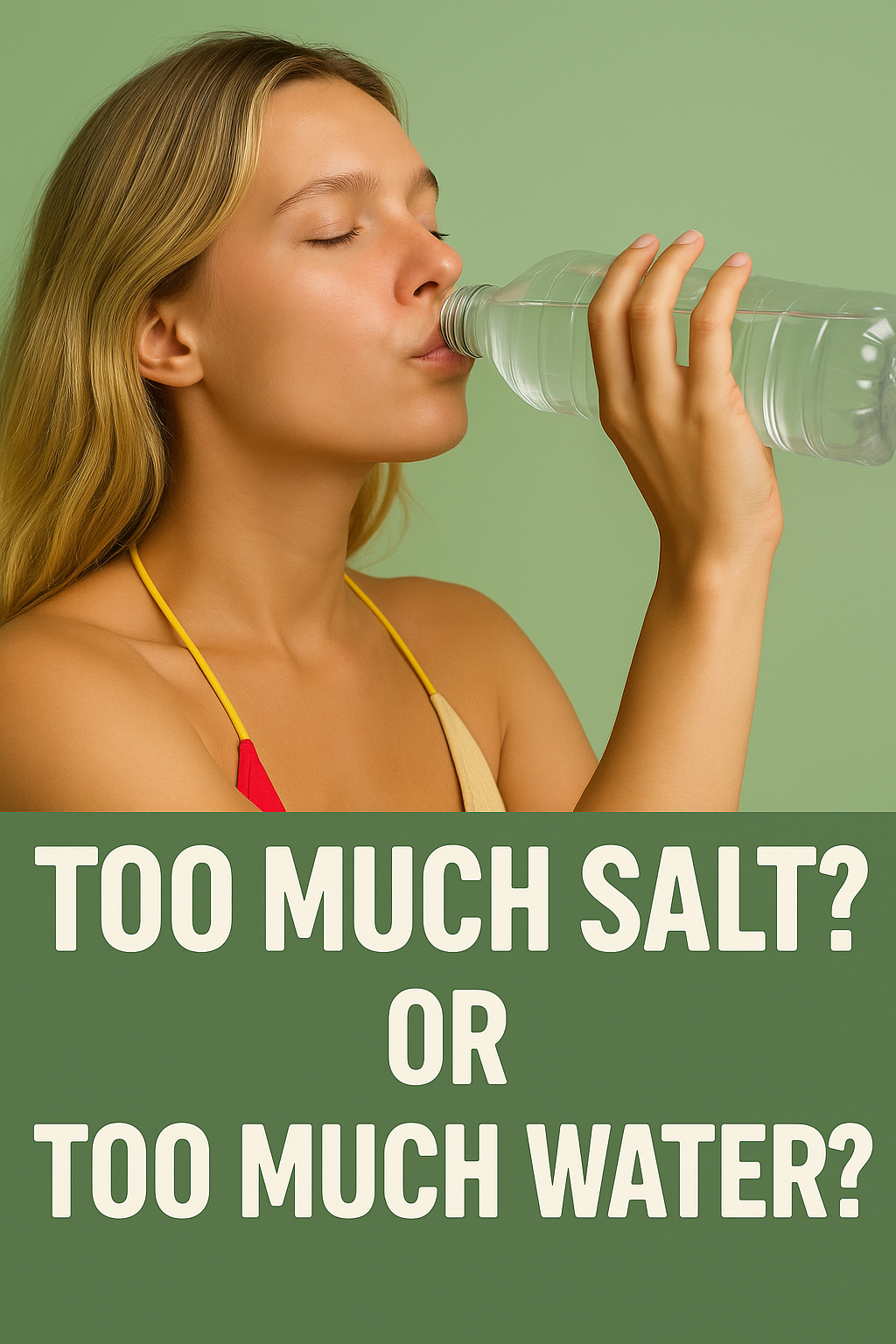


Too Much Salt in Your Diet? 5 Natural Ways to Rebalance Sodium With Ingredients You Already Have at Home
expert, nutritionist
That puffy face in the morning, rings that suddenly feel tight, and the heavy, bloated feeling after a salty dinner aren't your imagination. When we eat more salt than we need, the body holds on to extra water to keep the sodium in our blood diluted. And most of us eat far more than we need: according to the World Health Organization, the average adult consumes roughly double the recommended limit of less than 5 grams of salt (about one teaspoon) per day.
One of our readers, a retired teacher who loves her homemade cured meats and pickled vegetables, told us she only noticed how much salt she was eating when her doctor asked her to keep a simple food diary. "I never used the salt shaker much, so I thought I was fine," she wrote. "But bread, cheese, soups from a packet and sausages added up fast. Within a few weeks of cooking more plain rice and buckwheat, eating more fruit and drinking a glass of citrus water in the evening, my ankles stopped swelling by the end of the day and I simply felt lighter." Her experience is a good reminder that small kitchen changes often matter more than any single "miracle" ingredient.
Why does the body hold on to salt and water?
The reasons for retaining salt and fluid in the body can be a metabolic imbalance, a poor diet, or a genetic predisposition. Some people are simply more "salt sensitive" than others. In everyday life, however, the most common cause is diet: the U.S. Centers for Disease Control and Prevention (CDC) notes that most of the sodium we eat comes not from the salt shaker but from processed, packaged and restaurant foods.
Folk wisdom often talks about salt "depositing" in the joints and causing joint problems or lower back pain. As nutritionists, we need to be honest here: table salt does not literally build up in your joints. Painful crystals in the joints are usually linked to uric acid, as in gout, which the Arthritis Foundation describes in detail, while stiffness and back pain usually have other causes. What excess sodium can do is encourage fluid retention, which some people experience as swelling, puffiness and a general feeling of heaviness, and over the long term a high-salt diet is associated with higher blood pressure. If you have persistent joint pain, back pain or swelling, it's always best to have it checked by a doctor.
The good news is that the body has its own excellent "salt management system": your kidneys. One of the best ways to support them is to eat less sodium and more potassium. The landmark DASH-Sodium study, published in the New England Journal of Medicine, showed that a diet rich in fruits, vegetables and whole grains combined with lower sodium intake was associated with lower blood pressure. Potassium, abundant in many plant foods, helps the body balance the effects of sodium, as explained by the National Institutes of Health Office of Dietary Supplements.
That's exactly where the following five traditional home remedies come in. None of them "flushes out" salt on its own, but each one can be a tasty part of a lower-sodium, potassium-rich diet. If you're interested in gentle ways to feel less puffy, you may also enjoy our article Get Rid of Bloating and Excess Water.
1. Rice
A simple and easy method that has been passed down for generations is to drink a cup of the water in which rice was cooked, and to enjoy a portion of plain rice instead of salty side dishes. Plain rice cooked without salt is naturally very low in sodium and contains almost no salt of its own, so swapping salty bread, fries or instant sides for rice is an easy way to reduce your daily intake.
Interestingly, rice has a real place in nutrition history. In the 1940s, physician Walter Kempner at Duke University developed the famous Rice Diet, an extremely low-sodium regimen built around rice and fruit for patients with high blood pressure and kidney problems. Today it is considered far too restrictive to follow on your own, but it showed how strongly what we eat can influence the body's salt and fluid balance. For everyday use, simply cook rice without salt and season it with herbs, lemon or garlic instead.
2. Dried fruit
Soak dried fruit in water, then add the juice of half a lemon and, if you like, a spoonful of honey. Eat this mixture in the afternoon, after lunch and before dinner. Store the dried fruit mixture in the refrigerator.
Dried apricots, prunes, raisins and figs are among the more concentrated plant sources of potassium, the mineral that helps counterbalance sodium in the body, according to the NIH potassium fact sheet. Soaking makes them softer, easier to digest and gently hydrating. Just remember that dried fruit is also rich in natural sugars and calories, so a small handful (about 30 to 40 grams) per day is plenty. If you prefer a drink, our Low-Calorie Drink with High Iron Content is another potassium-rich option.
3. Bay leaves
Put 5 bay leaves in half a liter of water. Let it simmer for 20 minutes. Drink a cup of bay leaf tea 2 to 3 times a day.
Bay leaf (Laurus nobilis) has been used in Mediterranean kitchens and folk traditions for centuries, and it's one of the easiest ways to add flavor to soups, stews and legumes without reaching for the salt. That's arguably its biggest practical benefit: the more aromatic herbs you use, the less salt you need. Bay leaf tea is traditionally enjoyed as a warm, mildly aromatic drink, although scientific research on its effects in humans is still limited. Always remove whole leaves before eating, as they can be sharp, and if you're pregnant, breastfeeding or taking medication, ask your doctor before drinking herbal teas regularly. Fun fact: bay leaves have uses beyond the kitchen too, as we explain in The Kitchen Spice That Ruins a Bug's Whole Day: How Bay Leaves Work Their Magic.
4. Buckwheat and kefir
A popular way of "cleansing" the body in Northern and Eastern Europe is a mixture of buckwheat and kefir. Soak buckwheat overnight, then mix it with kefir the next day. Many people follow this routine for five days and report that they also feel lighter and lose a little weight.
From a nutritional point of view, this combination makes a lot of sense. Buckwheat, a staple of traditional kasha dishes, is naturally gluten-free, low in sodium and a good source of fiber, magnesium and potassium. Kefir is a fermented milk drink that contains live cultures, and a review published in Nutrition Research Reviews summarizes its potential benefits for digestion. Together they make a filling, protein-rich meal that keeps you satisfied for a long time. Keep in mind, though, that any weight change in just a few days is mostly water, and an ultra-limited "mono diet" isn't meant for the long term. Enjoy buckwheat with kefir as a breakfast or light dinner within a varied diet.
5. Citrus fruits
Prepare yourself some citrus juice. Mix the juice of one orange and one lemon into a glass of water. Drink this in the evening as a refreshing, hydrating ritual. Instead of orange juice, you can also use blackcurrant juice.
Oranges and blackcurrants contain potassium and plenty of vitamin C, while lemon juice adds natural citrate, which the National Kidney Foundation mentions in connection with kidney stone prevention. A glass of citrus water is also an easy way to drink more fluids, which helps your kidneys do their job. Please don't expect it to "remove toxins" in a literal sense: your liver and kidneys handle that every day on their own. What a drink like this can do is replace a salty or sugary evening snack with something light and refreshing. For more ideas, try Grapefruit, Lemon and Parsley Team Up: The Morning-After Drink Your Body Will Thank You For or 4 Ingredients, One Evening Glass: A Ginger, Cucumber, Parsley & Lemon Drink That Supports a Healthy Metabolism.
Small daily habits that make the biggest difference
Home remedies work best when combined with a few simple everyday changes recommended by the UK National Health Service (NHS) and other health authorities:
- Read labels: bread, cheese, cured meats, ready meals, soups, sauces and snacks are the biggest hidden sources of salt.
- Cook more at home: you control the salt, and you can replace it with herbs, spices, garlic, lemon and vinegar.
- Reduce gradually: your taste buds adapt within a few weeks, and food that once seemed bland will taste perfectly seasoned.
- Eat more plants: vegetables, fruit, legumes and whole grains are naturally rich in potassium.
- Drink enough water: good hydration supports your kidneys in maintaining a healthy fluid balance.
If you'd like to learn more about everyday kitchen habits, read Foods We Use Incorrectly and 5 drinks that are stronger than dietary supplements.
A word of caution
Potassium-rich foods are healthy for most people, but if you have kidney disease or take medications that affect potassium levels (such as certain blood pressure medicines or diuretics), talk to your doctor before significantly increasing your intake of dried fruit, citrus juices or salt substitutes. Persistent swelling, unexplained weight gain, joint pain or high blood pressure always deserve a medical check-up. This article is for general information only and does not replace professional medical advice.
Information on this website is for educational purposes only and is not medical advice.
expert, nutritionist
 Would you like to be informed about news on the website?










|

