




Sunflower Seeds and Blood Pressure: A Little-Known One-Ingredient Drink Worth Knowing About
expert, nutritionist
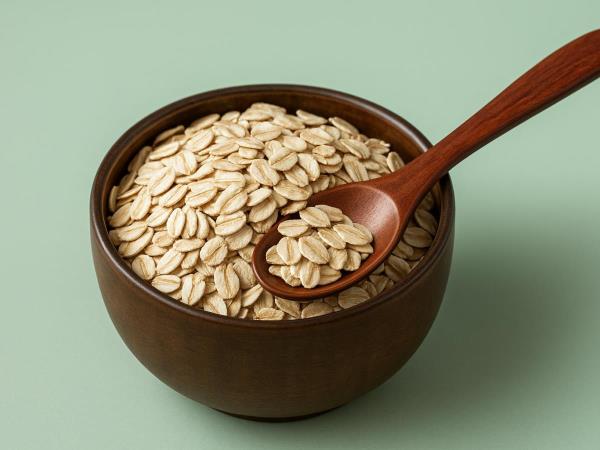
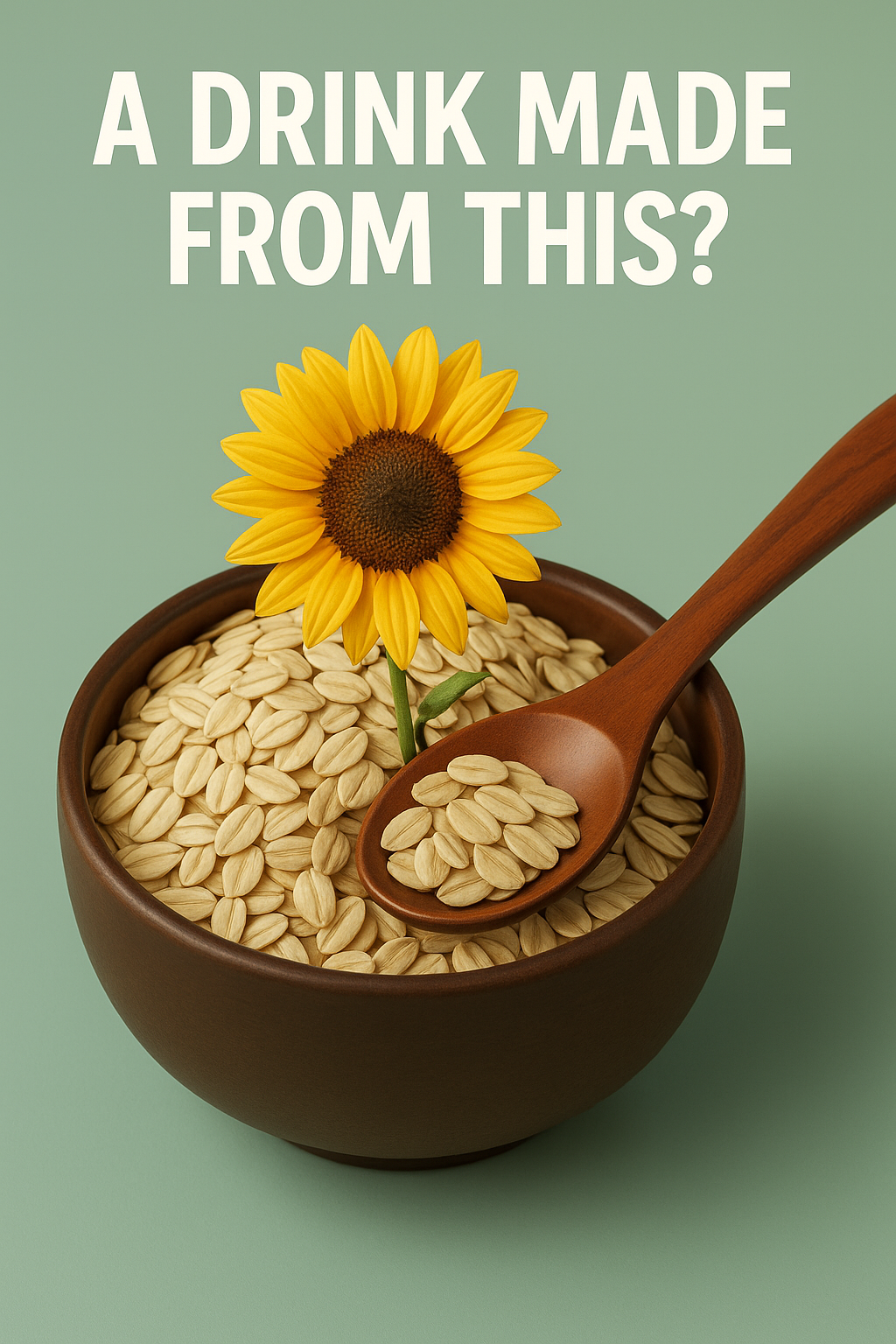
That handful of seeds you usually toss to the birds may deserve a place on your own table. Sunflower seeds are small, cheap and easy to find, yet they are among the richest everyday sources of magnesium, a mineral your blood vessels need in order to relax. In grandmothers' kitchens across Central and Eastern Europe, they were not only roasted as a snack but also slowly simmered into a mild, milky drink, believed to support healthy circulation through the long winter months. Few people still know this recipe today.
When a World-Famous Star Got a Wake-Up Call
Musician will.i.am, frontman of the Black Eyed Peas and a coach on The Voice UK, has spoken openly about how years of processed food and very little sleep caught up with him. As reported by AceShowbiz, he told Arianna Huffington on her Thrive Global podcast that his doctor warned him his blood pressure looked like that of a much older man. He switched to a plant-based way of eating, cut out sugar and processed foods, and said both his cholesterol and his blood pressure came down.
His story is not proof that any single food works miracles, but it shows something nutritionists repeat again and again: what lands on your plate every day matters. Seeds, nuts, vegetables and whole grains are exactly the kinds of foods that make up blood-pressure-friendly eating patterns.
Why Sunflower Seeds Are More Than a Snack
Did you know that sunflower seeds can be a valuable ally for your health? They contain plenty of vitamins and minerals, and some of their nutrients are directly involved in how the body regulates blood pressure. In addition, good circulation is especially important in the winter months, as it supports the normal functioning of the immune system and of the organs the body relies on for its natural cleansing processes, the liver and kidneys.
Here is what a small handful (about 30 g) of shelled, unsalted sunflower seeds offers, according to data from the USDA FoodData Central database:
- Magnesium: roughly 100 mg, about a quarter of an adult's daily needs. The National Institutes of Health (NIH) Office of Dietary Supplements notes that magnesium takes part in hundreds of enzyme reactions, including those that govern muscle and nerve function and heart rhythm.
- Vitamin E: close to half the daily value, as Whole Foods Market also points out. Vitamin E is an antioxidant that helps protect cells, including those lining the blood vessels.
- Unsaturated fats, fibre and plant protein: the combination behind the heart-friendly reputation of nuts and seeds in general.
- Potassium and selenium: potassium helps the body balance the effects of sodium.
Magnesium is not unique to sunflower seeds, of course. If you are curious which other foods are good sources, take a look at Did You Know Cashews Aren't Actually From India - and Why That Matters? and What your food, which explains how certain food cravings may hint at what the body is missing.
What Does Science Actually Say?
As a nutritionist, I want to be honest with you: there are no clinical studies on sunflower seed drinks specifically. What researchers have studied is magnesium itself and the role of seeds and nuts in heart-healthy diets.
- A large systematic review and meta-analysis of 38 randomised controlled trials with more than 2,700 participants, published in the journal Hypertension, found that magnesium supplementation lowered blood pressure mainly in people who already had high blood pressure or low magnesium levels, while there was no significant effect in people with normal blood pressure. Notably, that review looked at supplements, not food.
- The DASH eating plan from the US National Heart, Lung, and Blood Institute, one of the best-researched diets for blood pressure, explicitly includes nuts, seeds and legumes several times a week.
- The British Dietetic Association notes that a balanced diet rich in potassium, magnesium, calcium and fibre can help lower blood pressure.
- WebMD lists unsalted pumpkin, flax and sunflower seeds among foods that may support healthy blood pressure, suggesting about 1 to 1.5 tablespoons a day.
- The Heart Foundation of New Zealand reports that about 15 g of nuts and seeds a day is associated with a lower risk of coronary heart disease, and that seeds share a similar nutrient profile with nuts.
In short: sunflower seeds can be a useful part of a blood-pressure-friendly diet. The drink below is a traditional way of enjoying them, not a treatment.
How to Make the Traditional Sunflower Seed Drink
To prepare the drink, you need shelled sunflower seeds and four times as much water. This means that for every 100 grams of seeds, you need 400 ml of water.
- Choose the right seeds. Use raw, shelled and, above all, unsalted seeds. Salted seeds would defeat the purpose, since too much sodium is one of the main dietary drivers of high blood pressure.
- Combine. Place the seeds in a pot and pour the water over them.
- Simmer slowly. Put the pot on the stove and gently cook everything for about two hours. It is important to keep it just below boiling point. Add a little water if too much evaporates.
- Cool. After cooking, remove the pot from the stove and let the drink cool for half an hour.
- Strain and store. Strain it into a glass jug and keep it in the refrigerator, or at least in a cool, dark place. Since it contains no preservatives, it is best used within two to three days.
Nutritionist's tip: do not throw away the cooked seeds! Much of the fibre, protein and fat stays in them. Stir them into porridge, homemade bread dough or a vegetable patty, so you get the full benefit of the seeds.
How Much to Drink, and Why Moderation Matters
The drink can be enjoyed as part of a varied diet, for example a glass a day during the colder months. Old folk recipes sometimes recommend as much as a litre per day, which requires around 250 grams of seeds. That is far more than nutrition experts recommend: 250 g of sunflower seeds contain roughly 1,450 kcal, more than half of an average adult's daily energy needs. Like all seeds, sunflower seeds can also accumulate small amounts of cadmium from the soil, which is one more reason not to overdo them.
Most importantly: this drink does not replace any medication. If you have been prescribed blood pressure medicine, keep taking it exactly as your doctor advised. What is very important is that you monitor your blood pressure regularly. A healthy diet can support your treatment, but it cannot take its place.
Always talk to your doctor before regularly consuming larger amounts of sunflower seed drink, especially if you:
- take blood pressure medication (some of them affect potassium levels),
- have kidney disease, since the kidneys regulate magnesium and potassium,
- are trying to lose weight or watch your calorie intake,
- have a known seed allergy.
Real Experiences from Our Readers
A retired teacher who has been following a low-salt diet for years shared that she learned the drink from her grandmother. "I don't drink it to replace anything my doctor gives me," she says. "I drink a glass in the afternoon instead of a sugary drink, and I use the cooked seeds in my bread. For me it's simply a good habit." Another reader admitted he had been eating handfuls of salted roasted seeds in front of the TV every evening. When he switched to unsalted ones and smaller portions, he said it was one of several small changes, together with walking and cutting back on salty foods, that his doctor was pleased to see at his next check-up.
Their experiences reflect what experts agree on: no single food decides your blood pressure, but many small, consistent choices add up.
Other Easy Ways to Enjoy Sunflower Seeds
- Sprinkle a spoonful over salads, soups or yogurt.
- Blend them into a homemade sunflower seed butter.
- Toast them lightly in a dry pan (no salt) and add them to vegetable dishes.
- Mix them with oats, dried fruit and other seeds for a homemade muesli.
For more ideas on how to get the most out of everyday ingredients, read Foods We Use Incorrectly and 10 Foods Nutritionists Swear By. And if you like warming homemade drinks for the colder months, try Warm Water with Turmeric Against Winter Troubles.
The Bottom Line
Sunflower seeds are a humble, affordable source of magnesium, vitamin E and heart-friendly fats, nutrients that support normal blood vessel function. The traditional sunflower seed drink is a pleasant way to enjoy them, especially in winter, but it is not a medicine and there is no scientific evidence that it lowers blood pressure on its own. Enjoy it in moderation as part of a balanced diet, keep salt in check, stay active, measure your blood pressure regularly and, above all, keep your doctor in the loop.
Information on this website is for educational purposes only and is not medical advice.
expert, nutritionist
 Would you like to be informed about news on the website?










|

