




An Avocado Salad Dressing Recipe You'll Want to Make Again and Again
expert, nutritionist
Here is something most salad lovers don't know: that big bowl of greens with fat-free dressing may be leaving some of its most valuable nutrients on the plate. In a small but widely cited study from Iowa State University, volunteers who ate a salad with fat-free dressing showed almost no measurable absorption of beta-carotene and other carotenoids. When the same salad came with a dressing that contained fat, absorption rose clearly. The results were published in the American Journal of Clinical Nutrition. The researchers stressed that they were not recommending a high-fat diet. They pointed out that a small amount of fat, for example from avocado, may be enough to make a difference.
Avocado-topped salads have plenty of famous fans. Actress Cameron Diaz told Women's Health about the summer salad she likes most on a warm afternoon. It is made with fresh greens, mango and sliced avocado and finished with a smooth, blended homemade dressing. She developed it together with her friend Gwyneth Paltrow's lifestyle brand Goop, and she says the dressing keeps in the fridge for several days. Her simple rule matches ours: fresh vegetables plus a good homemade dressing.
Why a homemade dressing is worth the five minutes
Salad dressings can be very tasty and healthy, as long as they are made at home. Store-bought versions often contain added sugar, a lot of salt, thickeners and oils of uncertain quality. We looked at this in more detail in our article When salad isn't healthy, and coffee isn't what you think.
Practically any dressing that contains fat helps the body absorb certain nutrients from vegetables. Vitamins A, D, E and K, as well as plant pigments called carotenoids (such as beta-carotene, lutein and lycopene), are fat-soluble. Your body absorbs them more easily when they are eaten with some fat. For this reason it is worth making a good, wholesome dressing at home. That way you will always know exactly what you are eating.
What the research says about avocado
Avocado stands out among fruits because most of its fat is the monounsaturated kind. According to Harvard Health Publishing, half a medium avocado contains about as much fat as a tablespoon of olive oil, and most of it is oleic acid. It also provides fiber, potassium, folate, vitamin K, vitamin E and magnesium.
Researchers at The Ohio State University tested what happens when avocado is added to salad and salsa. In their study, published in The Journal of Nutrition, participants who ate salad with avocado absorbed several times more alpha-carotene, beta-carotene and lutein than those who ate the same salad without it. Adding avocado to tomato salsa was also linked to markedly higher lycopene absorption. The researchers attributed the effect mainly to the natural fat in the fruit. Avocado oil performed similarly.
Registered dietitians at Cedars-Sinai note that the combination of healthy fat and fiber in avocado can also help you feel full for longer. The British Heart Foundation describes avocado as a good fit for heart-friendly eating patterns such as the Mediterranean diet. It also reminds readers that avocado is higher in calories than most fruits and vegetables, so portion size matters.
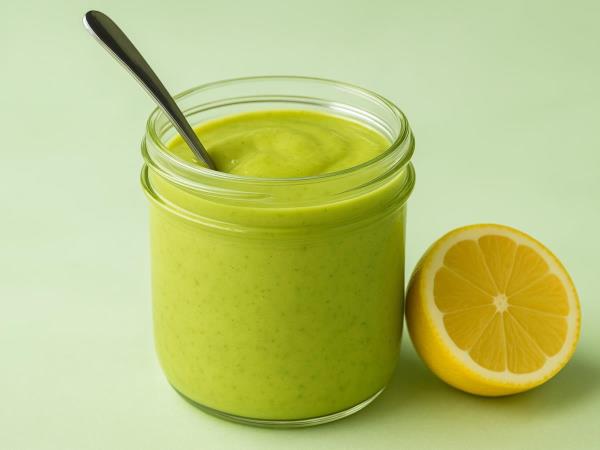
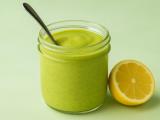
Avocado Salad Dressing
Makes about 1¼ cups (roughly 8 to 10 servings of 2 tablespoons)
Preparation time: 5 minutes
Ingredients:
- 1 ripe avocado
- 1/4 cup extra virgin olive oil
- 1/4 cup water
- a bunch of fresh parsley
- 1 garlic clove
- juice of half a lemon
- 1 tablespoon honey
- salt and pepper to taste
Preparation:
Put all the ingredients except the oil and water into a blender and blend well. Then, with the blender running, slowly add the water, and finally the oil. Blend until the dressing is smooth and creamy. If you prefer a thinner dressing, add a little more water one tablespoon at a time.
Nutritionist's tips for the perfect result
- Choose a ripe avocado. It should yield slightly to gentle pressure. An unripe avocado gives a grainy, bitter dressing.
- Use good olive oil. A mild extra virgin olive oil adds flavor without overpowering the avocado. A very peppery oil can make the dressing taste bitter.
- Don't skip the lemon. Besides adding freshness, lemon juice slows browning, so your dressing keeps its bright green color.
- Adjust the sweetness. The honey balances the acidity of the lemon. If you want less sugar, start with a teaspoon and taste. Maple syrup works too.
- Store it right. Keep the dressing in a tightly closed jar in the fridge and press plastic wrap onto the surface to limit contact with air. It tastes best within a day or two.
How to serve it
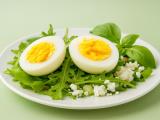
This dressing goes perfectly with chicken salad, and it is also very good on a simple green salad with egg and cabbage. It works well as a dip for raw carrots and peppers, as a sauce for grilled fish, or as a creamy spread in wraps instead of mayonnaise. Pairing it with carotenoid-rich vegetables such as carrots, tomatoes, spinach and red peppers is a particularly good match, given the research above.
Readers who have tried this recipe tell us it changed how they eat salad. One reader said her children, who usually push greens aside, started asking for "the green sauce" on everything from cucumber sticks to baked potatoes. Another reader brings a small jar of it to work so a plain lunchtime salad feels like a real meal and keeps her going until dinner.
A balanced view on calories
Healthy fats and plenty of vitamins make this dressing a valuable part of a varied diet. Combined with fresh vegetables, it can help you build a meal that is satisfying and nutrient-rich. However, avocado and olive oil are both energy-dense, so a little goes a long way. Two tablespoons (roughly 70 to 90 calories, depending on your ingredients) are usually enough to dress a generous side salad. If you are watching your calorie intake, take a look at our article Hello, and Fattening: Foods that Sabotage Your Diet.
Further reading on Foodwhisper
- When salad isn't healthy, and coffee isn't what you think
- Foods We Use Incorrectly
- Hello, and Fattening: Foods that Sabotage Your Diet
Information on this website is for educational purposes only and is not medical advice.
expert, nutritionist
 Would you like to be informed about news on the website?







|

