




A Banana for Breakfast: The Simple Morning Habit Nutritionists Like
expert, nutritionist
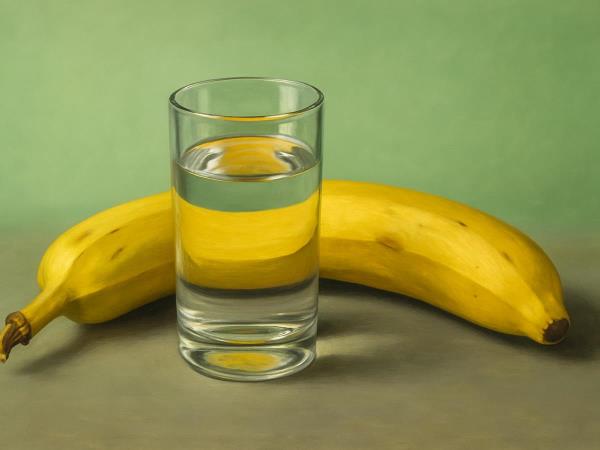
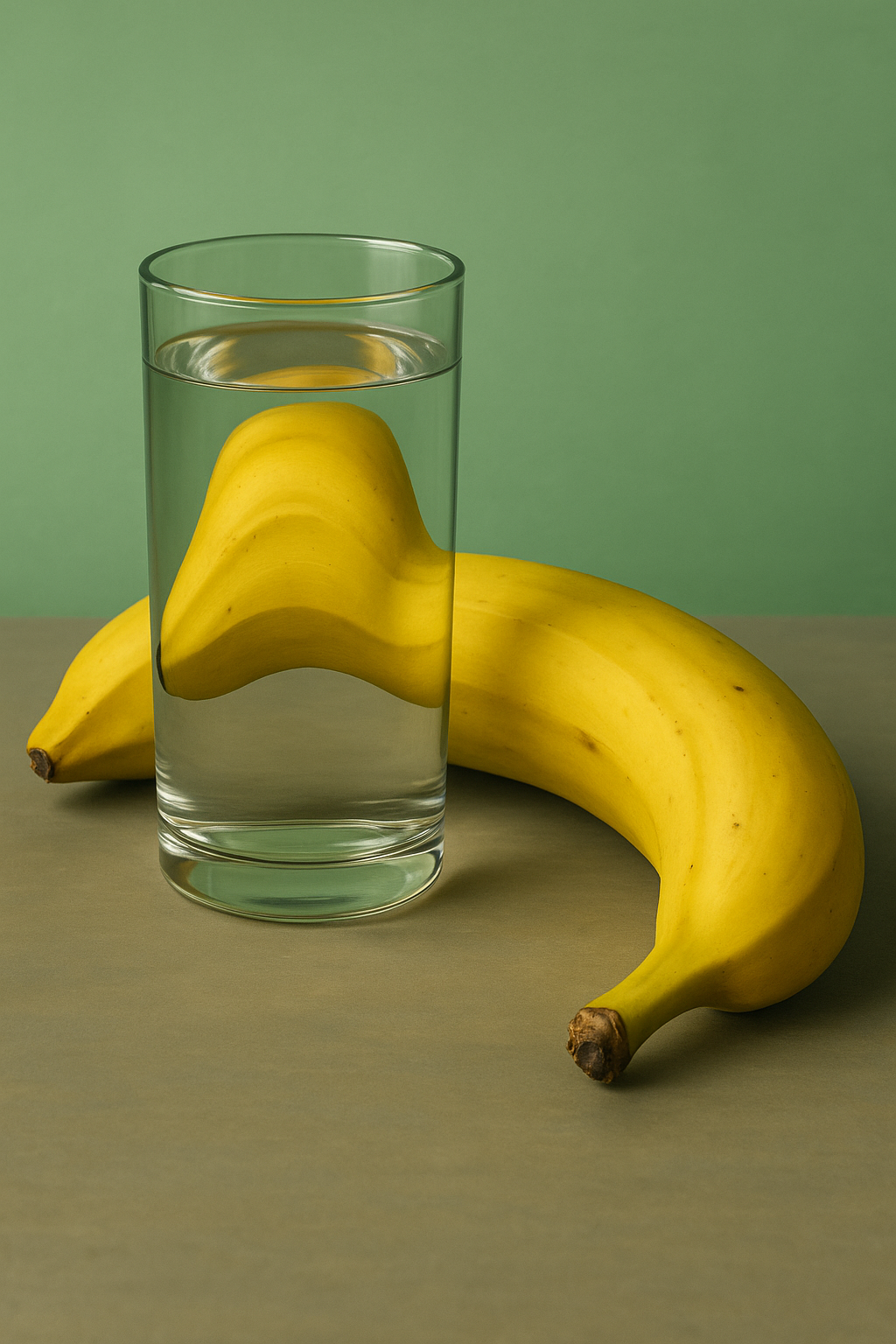
In the autumn of 2008, supermarket shelves in Japan were empty of bananas by noon. The cause was not a bad harvest but a breakfast. A simple routine, one banana and a glass of room-temperature water in the morning with dinner finished before 8 p.m., had gone viral. Shoppers queued early just to get a bunch, and ABC News reported that the "Morning Banana Diet" had swept the country after a popular singer said on television that she had lost weight following it.
The routine was created by a pharmacist from Osaka for her husband, who had hit a weight-loss plateau. After he shared his results on a Japanese social network, the idea spread quickly. According to TIME, books about the diet sold hundreds of thousands of copies, and banana importers such as Dole struggled to keep up with demand. Medical experts in Japan were skeptical, though, and with good reason: there is nothing magical about a banana. The interesting question is why such a simple habit made so many people feel better and eat more mindfully.
Why a Banana in the Morning?
If you eat a banana and drink a glass of lukewarm water on an empty stomach (warm is better than cold), many people find that it helps get their digestion going in the morning. It is also important to eat and drink as slowly as possible, in small sips, and then wait at least half an hour before eating anything else.
It is true that bananas contain a lot of starch, yet they have a relatively low glycemic index. According to the University of Sydney's Glycemic Index database, bananas usually fall in the low-to-medium range, depending on how ripe they are. A slightly green banana has a lower GI than a very ripe, spotty one, because more of its starch is still in the form of resistant starch.
Bananas are digested relatively slowly, so you may feel full for longer. Their fiber and resistant starch can also slow how quickly carbohydrates are absorbed, which helps avoid sharp ups and downs in blood sugar. A systematic review published in the journal Nutrients found that green banana consumption was associated with benefits for gut function and satiety, although the authors noted that more research is needed.
A medium banana provides about 3 grams of fiber, a good amount of potassium, vitamin B6 and vitamin C (see USDA FoodData Central). The Harvard T.H. Chan School of Public Health points out that most adults eat far less fiber than recommended, so a fruit you can grab on the way out of the door is an easy place to start.
What About "Fat Burning"?
Let's be honest as nutritionists: no single food "burns fat." What a banana breakfast can do is help you feel satisfied with a modest number of calories (around 100 for a medium banana), which may make it easier to avoid snacking on pastries or sweets mid-morning. If you are curious about which morning choices work against you, read Why is it dangerous to eat these foods for breakfast.
The glass of water helps too. A study in The Journal of Clinical Endocrinology & Metabolism observed a small, temporary increase in energy expenditure after drinking water. The effect is modest, but staying well hydrated is one of the simplest healthy habits there is.
Bananas are also a favorite fuel of athletes. Researchers at Appalachian State University found in a study published in PLoS ONE that bananas supported cycling performance as well as a carbohydrate sports drink.
Why Eating Slowly Matters
The advice to eat and drink slowly is not just folklore. A study in the Journal of the American Dietetic Association found that participants who ate slowly consumed fewer calories and felt more satisfied than when they ate quickly. Taking ten minutes to enjoy a banana and sip warm water gives your body time to register fullness.
One reader told us: "I used to grab a croissant at the train station every morning and be starving by ten. Now I eat a banana at home with a cup of warm water before I leave. It sounds too simple, but I stopped snacking before lunch, and my mornings feel calmer."
The Evening Banana and the 8 p.m. Rule
If you decide to try this approach to support your digestion and your weight goals, some people also replace an occasional heavy dinner with a banana and a glass of lukewarm water. We suggest doing this only now and then: a banana alone is not a complete meal. A light, balanced dinner with vegetables, protein and whole grains is a better long-term choice, as we explain in Diet without dieting and 2 kg less per week.
We also recommend not eating anything after 8 p.m. Research supports the idea that timing matters: a study from Brigham and Women's Hospital published in Cell Metabolism found that eating later in the day was linked with increased hunger and changes in how the body stores energy. An earlier dinner also tends to mean better sleep, and sleep matters for your waistline, as you can read in When you sleep too little, your belly grows.
Who Should Be Careful?
For most healthy people, a banana in the morning is perfectly fine. However:
- People with a sensitive stomach or reflux may find fruit alone on an empty stomach uncomfortable. Pairing the banana with oats, yogurt or a handful of nuts can help.
- People managing diabetes should choose slightly less ripe bananas and pair them with protein or fat, and follow the advice of their doctor.
- People with kidney disease who are told to limit potassium should check with their healthcare provider.
If you sometimes feel bloated in the morning, take a look at Get Rid of Bloating and Excess Water, and to make sure the rest of your day supports your efforts, read Hello, and Fattening: Foods that Sabotage Your Diet.
The Bottom Line
A banana and a glass of warm water will not melt away kilograms overnight, and the Japanese banana craze faded as quickly as it appeared. But the habits behind it, a light and fiber-rich breakfast, eating slowly, drinking enough water and finishing dinner early, are ones nutritionists are happy to recommend. Sometimes the simplest trick is simply a good habit.
Information on this website is for educational purposes only and is not medical advice.
expert, nutritionist
 Would you like to be informed about news on the website?










|

