


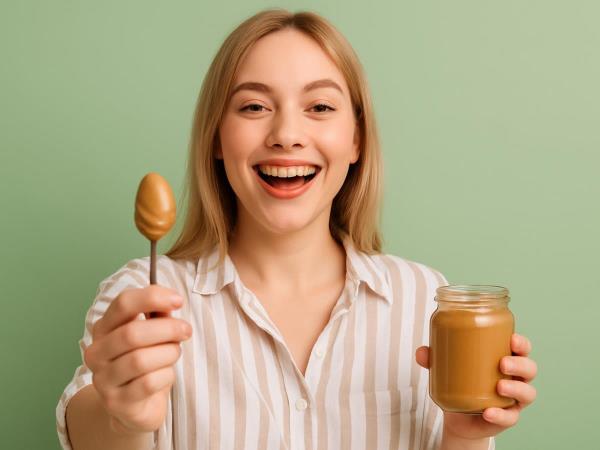




The Jar That Loves Your Heart: 4 Reasons Natural Peanut Butter Is More Than Just an American Craze
expert, nutritionist
Here's a surprise from one of the largest nutrition studies ever done in Europe: people who regularly ate nuts and peanuts lived noticeably longer, but people who ate ordinary supermarket peanut butter got no such benefit. Same peanut, very different result. The difference was what else went into the jar. That's the key to this whole story, and why the humble jar of natural peanut butter on your shelf deserves a second look.
Few people know peanuts better than the late Jimmy Carter, the 39th President of the United States, who grew up on a peanut farm in Plains, Georgia, and ran the family peanut business before he entered politics. Peanuts were part of his life from childhood. He lived to 100, the longest-lived US president in history. Nobody would claim a single food explains a long life, and Carter himself credited many things, including staying active, his faith and his marriage. Still, his story is a nice reminder that this simple legume has fed generations of hard-working people.
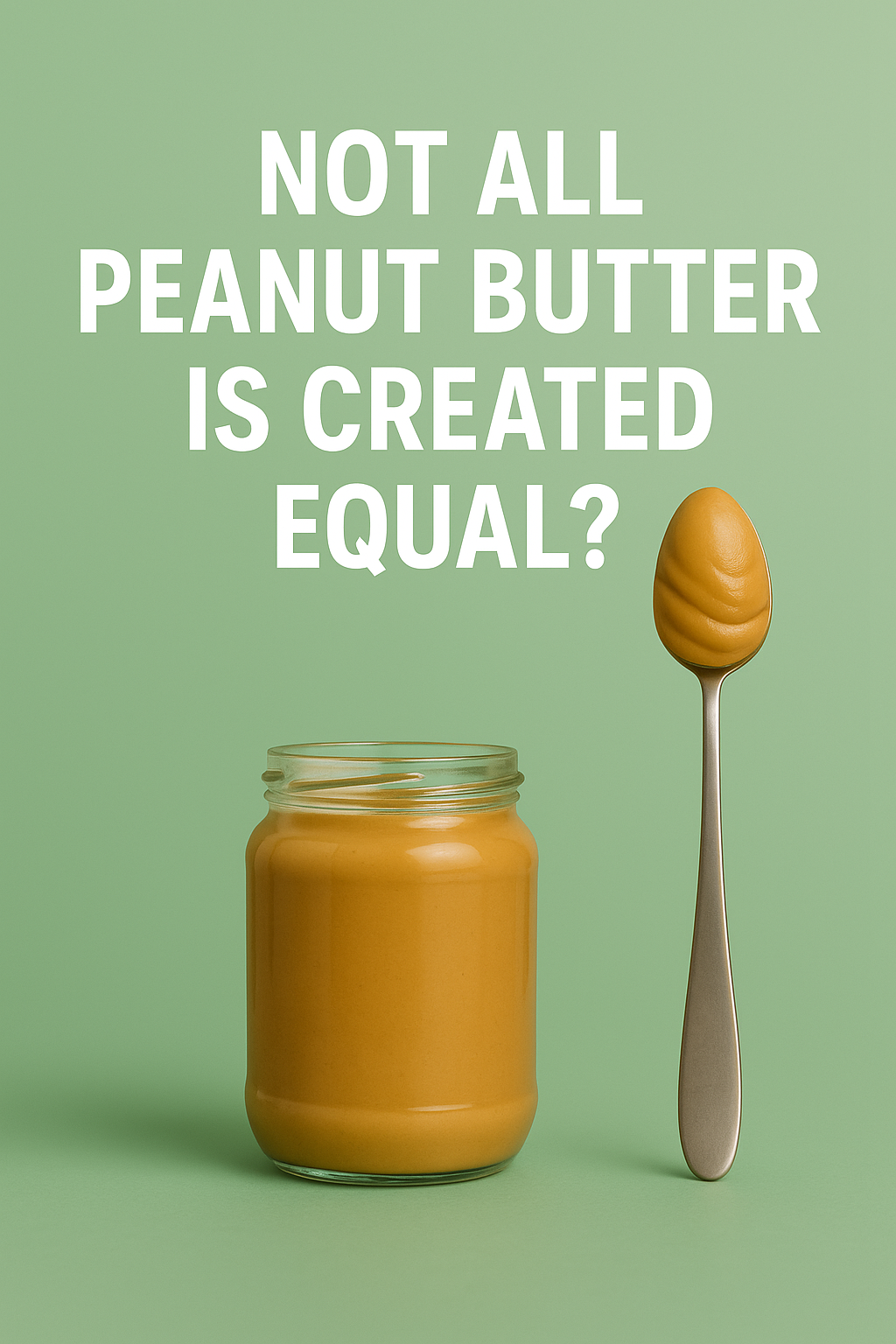
Not All Peanut Butter Is Created Equal
When we say "peanut butter," it's important to tell two very different products apart. The first is the industrial kind, with added sugar, palm oil or hydrogenated fats, and plenty of salt. That's really not the best combination. The second is natural peanut butter, where the jar contains nothing but ground peanuts, sometimes with a small pinch of salt. That is the version that delivers the benefits we're looking for.
Reading the label takes five seconds: the ingredient list should say "peanuts" or "peanuts, salt," and nothing else. If the oil separates and rises to the top, that's a good sign. Just stir it back in.
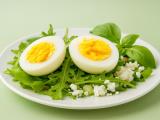
Two tablespoons (about 30 g) of natural peanut butter contain roughly 190 calories, 7 to 8 g of protein and about 6 to 7 g of carbohydrates, according to nutrient data from the USDA FoodData Central database. That's a respectable amount of protein for a spread, close to what you'd get from a small egg. It's also a good source of vitamin E, vitamin B6, niacin, magnesium and phosphorus. And as a plant food, it contains no dietary cholesterol at all.
A friendly word of caution: peanut butter is energy-dense, so the portion matters. And if you or someone in your household has a peanut allergy, it's of course off the menu entirely.
Reason 1: Peanut Butter and Type 2 Diabetes
Type 2 diabetes is one of the biggest health challenges of our time. According to the World Health Organization, the number of people living with diabetes worldwide has risen to more than 800 million adults, and the number is still growing.
This is where peanut butter may play a small but helpful role. Most of its fat is monounsaturated, similar to the fats in olive oil, and together with protein and fiber it helps slow digestion, so it doesn't cause sharp blood sugar spikes. It's also rich in magnesium, a mineral that, as the NIH Office of Dietary Supplements explains, is involved in glucose metabolism and insulin action.
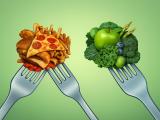
A well-known study from Harvard researchers, which followed more than 83,000 women in the Nurses' Health Study for 16 years and was published in JAMA, found that women who ate peanut butter five or more times a week had about a 21% lower risk of developing type 2 diabetes than those who rarely or never ate it. The researchers added a sensible note: to avoid extra calories, nuts and peanut butter should replace less healthy foods such as white bread or processed meat, not simply be added on top. You can read the summary in the Harvard Gazette.
Reason 2: Support for Healthy Blood Pressure and Cholesterol
High blood pressure and elevated cholesterol are often called silent risks of modern life. They frequently cause no obvious symptoms, yet over the long term they are major contributors to heart attacks and strokes.
The ARISTOTLE study, a six-month randomized trial from the University of Barcelona published in Frontiers in Nutrition, gave healthy adults either a daily portion of skin-on roasted peanuts, two tablespoons of peanut butter, or a control spread made from peanut oil. The group eating whole peanuts showed better cholesterol ratios than the control group. Alongside the trial, the researchers pooled earlier controlled studies in a meta-analysis and found that regular peanut consumption was associated with lower triglyceride levels.
Peanuts also contribute fiber, plant sterols and the amino acid arginine, which the body uses to make nitric oxide, a molecule that helps blood vessels relax. Experts at Harvard Health Publishing point out that the American Heart Association recommends about four servings of unsalted nuts per week, with one serving equal to two tablespoons of nut butter.
In short, natural peanut butter can be a heart-friendly part of a balanced diet. It won't replace medication or a doctor's advice, but as a daily habit it may do more for you than many expensive supplements. If you're watching your blood pressure, choose a version without added salt.
Reason 3: Peanuts and a Longer, Healthier Life
Interestingly, peanuts contain compounds that researchers associate with healthy aging. They include resveratrol, a compound also found in red grapes and red wine that acts as an antioxidant (see the overview from the Linus Pauling Institute), flavonoids, plant substances with anti-inflammatory properties, and small amounts of coenzyme Q10, which plays a role in cellular energy production. The thin red skin of the peanut is especially rich in these polyphenols.
Now back to the surprising study from the opening. Researchers at Maastricht University analyzed the Netherlands Cohort Study, which followed more than 120,000 Dutch men and women, and published the results in the International Journal of Epidemiology. People who ate about 10 to 15 grams of peanuts or tree nuts a day, just half a handful, had noticeably lower mortality from cardiovascular disease, cancer, diabetes and respiratory diseases. But peanut butter showed no protective link. Why? The researchers pointed out that the peanut butter on Dutch shelves at the time contained much more salt and some trans fats from hydrogenated vegetable oils.
That's exactly why this article is about natural peanut butter. The peanut itself is the hero; the additives are what can cancel out its benefits. A large US-Chinese study published in JAMA Internal Medicine in 2015 pointed the same way, linking regular peanut and nut consumption with a 17% to 21% lower risk of death from any cause, especially heart disease. If you want to know which everyday foods may work in the opposite direction, take a look at 5 Foods That Shorten Your Lifespan.
Folk wisdom recognized the power of nuts long before science did. Our ancestors used walnuts and hazelnuts as food for strength and a healthy heart. Natural peanut butter is simply a modern way to bring those qualities into everyday meals.
Reason 4: Affordable, Long-Lasting and Kinder to the Planet
In 2020, peanut butter had a real boom in the United States. According to the National Peanut Board, peanut butter sales in March 2020 were 75% higher than a year earlier, as people stocked their pantries with shelf-stable foods at the start of the pandemic. Per-capita peanut consumption in the US reached an all-time high that year, as reported by FoodNavigator. And despite its calories, the Harvard study mentioned above found no link between regular nut consumption and weight gain, likely because protein, fat and fiber keep you full for longer.
Europe is moving in a similar direction. Denmark's official dietary guidelines encourage people to eat more plant-based foods, including legumes and a daily handful of nuts, and to eat less meat, both for health and for the climate. Peanuts, as legumes, fit nicely into that picture: they're nutritious, affordable and have a relatively modest environmental footprint compared with many animal proteins.
How to Make It Part of Your Day
The best approach is simple: spread natural peanut butter on whole-grain bread, carrot sticks, bell pepper slices or apple wedges. That way you combine protein, fiber and vitamins in one easy snack. It's also a great addition to a balanced breakfast. If you're curious which morning choices are better avoided, read Why is it dangerous to eat these foods for breakfast.
A few more ideas readers often share with us:
- Stir a spoonful into your morning oatmeal with sliced banana and a pinch of cinnamon.
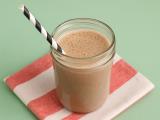
- Blend it into a smoothie with milk or yogurt and berries for a filling snack.
- Whisk it with soy sauce, lime juice, garlic and a little water for a quick Asian-style dressing for salads or noodles.
- Dip celery sticks or apple slices for an afternoon snack that won't leave you hungry an hour later.
One reader told us she replaced her afternoon pastry with an apple and a spoonful of natural peanut butter. "The first week I missed the sweetness," she said, "but after that I noticed I wasn't raiding the fridge before dinner anymore." Small swaps like this are often more sustainable than strict diets. Just watch out for the sweetened "light" spreads and chocolate-peanut blends that can quietly undo your efforts; we covered more of these hidden traps in Hello, and Fattening: Foods that Sabotage Your Diet.
In traditional farming communities, people often carried peanuts to the fields as a snack, because they provide lasting energy and keep you full for a long time. Peanut butter is simply the modern, creamy version of the same idea.
A Small Spoon, a Big Difference
Natural peanut butter isn't just a tasty spread; it's a little nutritional treasure chest in a jar. It provides plant protein, vitamins and minerals, healthy fats and antioxidants, and research suggests it may support heart health and healthy blood sugar levels as part of a balanced diet.
The key is choosing natural peanut butter, made only from peanuts, without added sugar, palm oil or hydrogenated fats. Enjoyed in moderation, around one to two tablespoons a day, ideally in place of less healthy foods, it's an easy and affordable way to do something good for yourself. And if you have a health condition or are on a special diet, it's always a good idea to talk with your doctor or a registered dietitian first.
Information on this website is for educational purposes only and is not medical advice.
expert, nutritionist
 Would you like to be informed about news on the website?








|

