


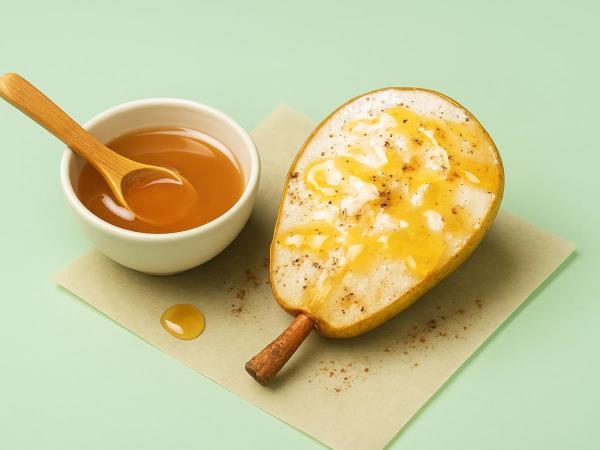


Pear in a Glass: A Simple Smoothie for Your Heart, Mind and Digestion
expert, nutritionist
Most of us walk past the pears in the fruit bowl on our way to something "healthier." That's a mistake. One medium pear has more fiber than a slice of whole-grain bread and roughly 100 calories. It also contains a plant compound that a large U.S. study linked to a lower risk of memory decline in older adults. And it takes less than two minutes to turn it into a creamy, dessert-like drink.
One of our readers, a retired teacher in her late sixties, told us she started making this pear drink every morning one autumn. She had pears from her garden she didn't want to waste. "I expected nothing more than a way to use up fruit," she wrote. "A few weeks later I noticed I wasn't reaching for biscuits mid-morning anymore, and my digestion felt more regular. Now it's my little ritual – the smell of cinnamon tells me the day has started." Her experience is personal, of course, but it's a good illustration of how one small, tasty habit can nudge the whole day in a better direction.
Why a Pear Deserves a Place in Your Glass
A medium pear contains around 100 calories and more than 5 grams of fiber. According to USA Pears (Pear Bureau Northwest), that covers roughly a quarter of the recommended daily value. Detailed nutrient data are also available in the USDA FoodData Central database.
Fiber is one of the most underrated nutrients in the modern diet. The Harvard T.H. Chan School of Public Health explains that a fiber-rich diet is associated with healthier cholesterol levels, more regular digestion and a longer feeling of fullness. That last point can be helpful for anyone trying to manage their weight. Fiber also supports the friendly bacteria in the gut, which is why it's often described as having a natural "cleansing" effect on digestion.
If you sometimes struggle with a heavy, uncomfortable stomach, you may also find useful tips in our article Get Rid of Bloating and Excess Water.
Vitamins and Folate: What Pears Really Offer
Pears are also a source of vitamins. They contain vitamin C and vitamin K, along with smaller amounts of B vitamins such as B2, B3 and B6. They also provide some folate (vitamin B9).
Our bodies can't produce folate, so we have to get it from food. That's why it's especially important for women who are pregnant or planning a pregnancy. The U.S. Centers for Disease Control and Prevention (CDC) recommends folic acid for all women of reproductive age.
To be honest, a pear is a modest source of folate. Leafy greens, legumes and fortified grains provide much more. Still, every fruit and vegetable adds to your daily total, and a pear is an easy, tasty contributor.
Researchers have looked at folate's role in heart and blood vessel health, stroke risk and even colorectal health. The NIH Office of Dietary Supplements summarizes this research. Some findings are encouraging, while others are mixed. The safest takeaway is that adequate folate from a varied diet is part of a healthy lifestyle, not a guarantee against any particular disease.
Quercetin: The Pear's Quiet Superstar
Pears also hold another special ingredient. Quercetin is a flavonol, a type of plant antioxidant. In laboratory and population studies it shows anti-inflammatory, antibacterial, antifungal and antiviral properties. The Linus Pauling Institute at Oregon State University offers an accessible overview of flavonoids and how they work in the body. Researchers are also studying quercetin's possible effects on the immune system and on allergic responses.
The most interesting findings concern the brain:
- A study of more than 900 older adults by Rush University Medical Center was published in Neurology (2020). It found that people with the highest intake of dietary flavonols had a lower risk of developing Alzheimer's dementia.
- A separate analysis of the long-running Framingham Heart Study appeared in the American Journal of Clinical Nutrition (2020). It linked low long-term intake of flavonoid-rich foods, including apples and pears, with a higher risk of dementia.
These are observational studies, so they show associations, not proof. Still, they add to a growing picture: colorful, plant-rich eating seems to be good news for the aging brain.
How to Get the Most Out of Your Pear
Ingredients:
- 1 ripe pear
- 1 teaspoon of honey (or to taste)
- A pinch of cinnamon
Preparation:
Wash the pear well and remove the seeds and the stem end. Don't peel it. Much of the pear's fiber and many of its antioxidants are found in or just under the skin, so peeling throws away some of the best parts. This is one of those everyday kitchen habits worth rethinking. We've collected more of them in our article Foods We Use Incorrectly.
Old kitchen wisdom also says you should never blend pears with water because it will upset your stomach. There is a grain of truth here. Pears naturally contain sorbitol and fructose, which some people find hard to digest in larger amounts. According to researchers at Monash University, these sugars can cause loose stools or bloating in people with sensitive digestion. Extra water doesn't create this effect, but skipping it keeps the drink thick, creamy and full-flavored. If your stomach is sensitive, start with half a pear.
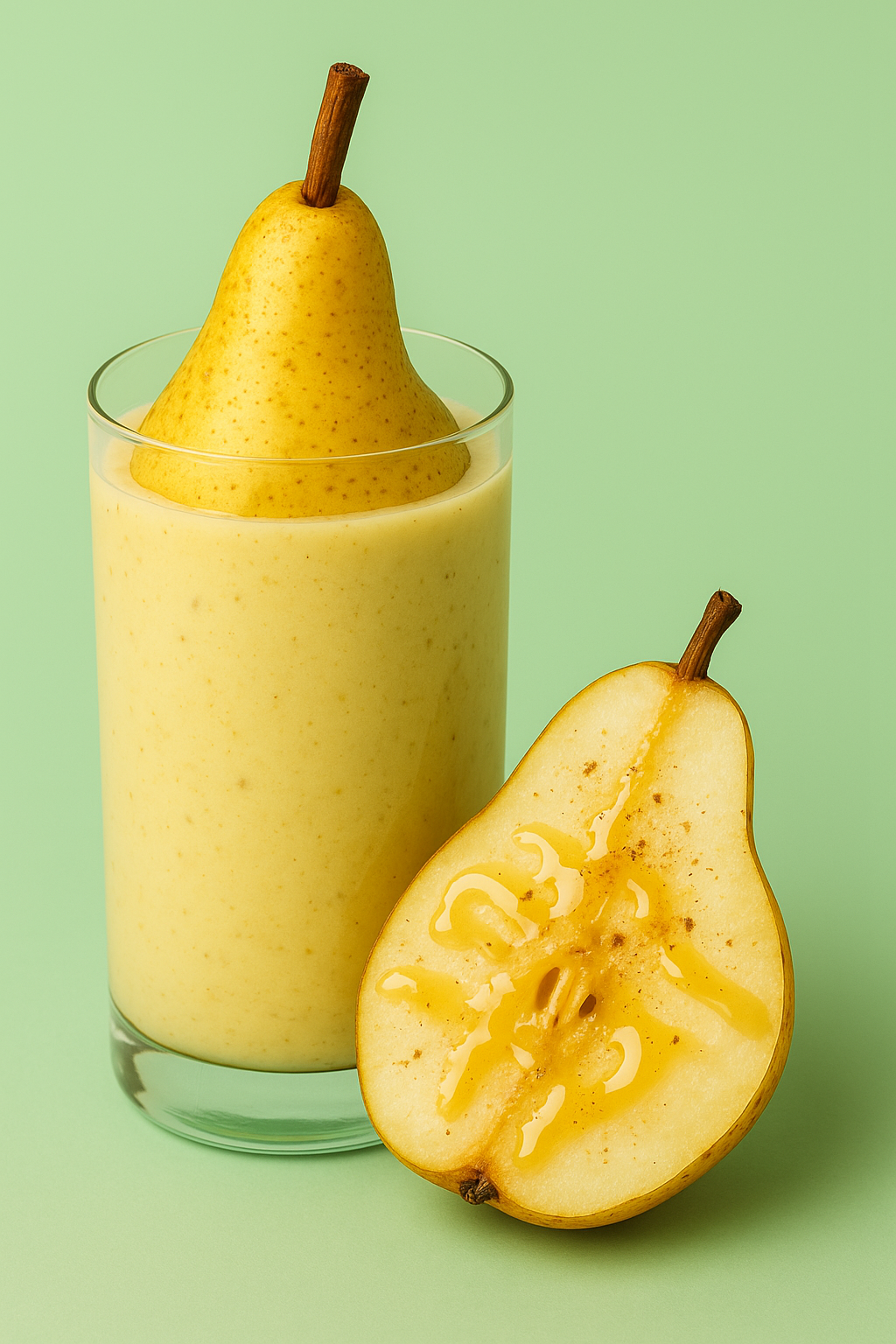
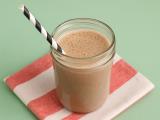
Put the pear in a blender, add honey and cinnamon to taste, and blend until you get a smooth, pourable drink. Go easy on the cinnamon, because too much will make it bitter. If you use cinnamon every day, consider Ceylon cinnamon. The common cassia variety contains more coumarin, which the German Federal Institute for Risk Assessment (BfR) advises consuming only in moderation.
Please note: honey should not be given to babies under 12 months old because of the risk of infant botulism, as explained by the CDC.
Drink It Fresh
Drink it right after you make it, before it starts to oxidize and turn brown. A popular kitchen rule of thumb claims fresh juice loses about 1 percent of its nutritional value for every minute it sits in the air. There's no solid scientific basis for that exact number. However, vitamin C is sensitive to oxygen and light, and freshly made drinks simply taste brighter. So it's worth sipping yours straight away.
The drink works well in the morning or as a mid-morning snack. If you're wondering what to pair it with, or what to avoid first thing in the day, take a look at Why is it dangerous to eat these foods for breakfast.
Easy Variations
- Creamier: add a few spoonfuls of plain yogurt or kefir for protein and probiotics.
- More filling: blend in a tablespoon of oats or ground flaxseed for extra fiber.
- Warming: add a small slice of fresh ginger in the colder months.
- Less sweet: skip the honey entirely. A ripe pear is often sweet enough on its own.
The Bottom Line
A pear in a glass won't work miracles, and no single food can. But it's a simple, inexpensive way to add fiber, vitamins and plant antioxidants to your day, and it's genuinely delicious. As always, if you have a medical condition, are pregnant or take regular medication, talk to your doctor or a registered dietitian about what's best for you.
Try this drink and you'll be delighted by its taste and freshness. Do you have your own pear twist? We'd love to hear how you make it.
Information on this website is for educational purposes only and is not medical advice.
expert, nutritionist
 Would you like to be informed about news on the website?







|

