





Vodka and Sunflower Oil as a Cure? The Shevchenko Method Explained, and What Science Actually Says
expert, nutritionist
Sixty milliliters. Half vodka, half unrefined sunflower oil, shaken hard in a jar and swallowed in one gulp, three times a day. For thousands of people online, this odd little ritual, known as the Shevchenko method, is described as a remedy for almost everything, from high blood pressure to cancer. For medical science, it is something else entirely: a method that has never been tested in a single proper clinical trial.
So why do so many people still swear by it? And what happens in the body when you drink this mixture day after day? We looked at the story, the numbers and the research.
When a brilliant mind chose the "natural" path
The pull of a simple, natural remedy is not limited to people who lack information. Apple co-founder Steve Jobs, one of the most celebrated innovators of our time, was diagnosed with a rare neuroendocrine tumor of the pancreas in 2003. According to his biographer Walter Isaacson, Jobs postponed the recommended surgery for about nine months and tried alternative therapies and a special diet instead, while his wife and friends urged him to have the operation. Reuters reported that by the time he finally agreed to surgery, the disease had spread to surrounding tissue. Isaacson later said that Jobs talked about the decision often and felt he should have been operated on sooner.
Nobody can say for certain how much those nine months changed the outcome. Jobs' story is not about vodka and oil, but it shows the same trap: when a remedy sounds simple, natural and hopeful, even very smart people can be tempted to delay proven care.
Who was Nikolai Shevchenko?
Russian folk healer Nikolai Viktorovich Shevchenko claimed that on 16 December 1993 he patented an unusual remedy which, in his view, could help against a whole range of diseases. Few people paid attention at the time, and the pharmaceutical industry did not notice it at all. Shevchenko later explained that he "patented" his remedy so that nobody could misuse it and profit from it. Independent write-ups, however, point out that he never actually obtained an official patent in the Russian Federation. He also admitted that the 30:30 ratio was found by trial and error, based on letters from people who tried it.
Even after years of word-of-mouth popularity, there is still no scientific evidence that the Shevchenko method works. No clinical trials have tested it, so there are also no studies that formally disprove it. Most doctors have never even heard of this approach and have no opinion on it. That silence is often read online as a "conspiracy," but in reality it simply means the method has never been taken seriously enough to study.
The famous list of "cured" diseases
Shevchenko earned the disdain of doctors and the pharmaceutical industry when a list began to circulate of conditions his mixture supposedly treats. Based on testimonials collected around 2013, the list includes several types of cancer (lung, stomach, pancreas, prostate, skin, brain and others), liver cirrhosis, hepatitis C, tuberculosis, asthma, arthritis, high blood pressure, diabetes and digestive disorders.
From a nutritionist's point of view, this list is the most worrying part of the whole story. Several of these conditions, especially liver disease, hepatitis, diabetes, high blood pressure and cancer, are exactly the situations in which doctors usually advise people to limit alcohol or avoid it entirely. A remedy built on daily spirits is hard to reconcile with that advice.
What does the Shevchenko method involve?
We describe the method for information only. We do not recommend trying it, and anyone with a health condition should talk to their doctor first.
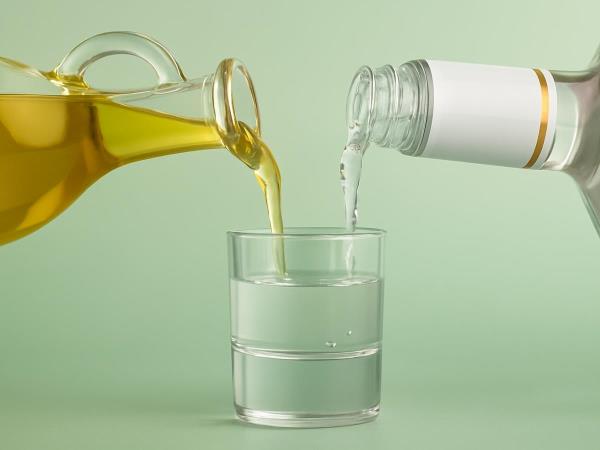
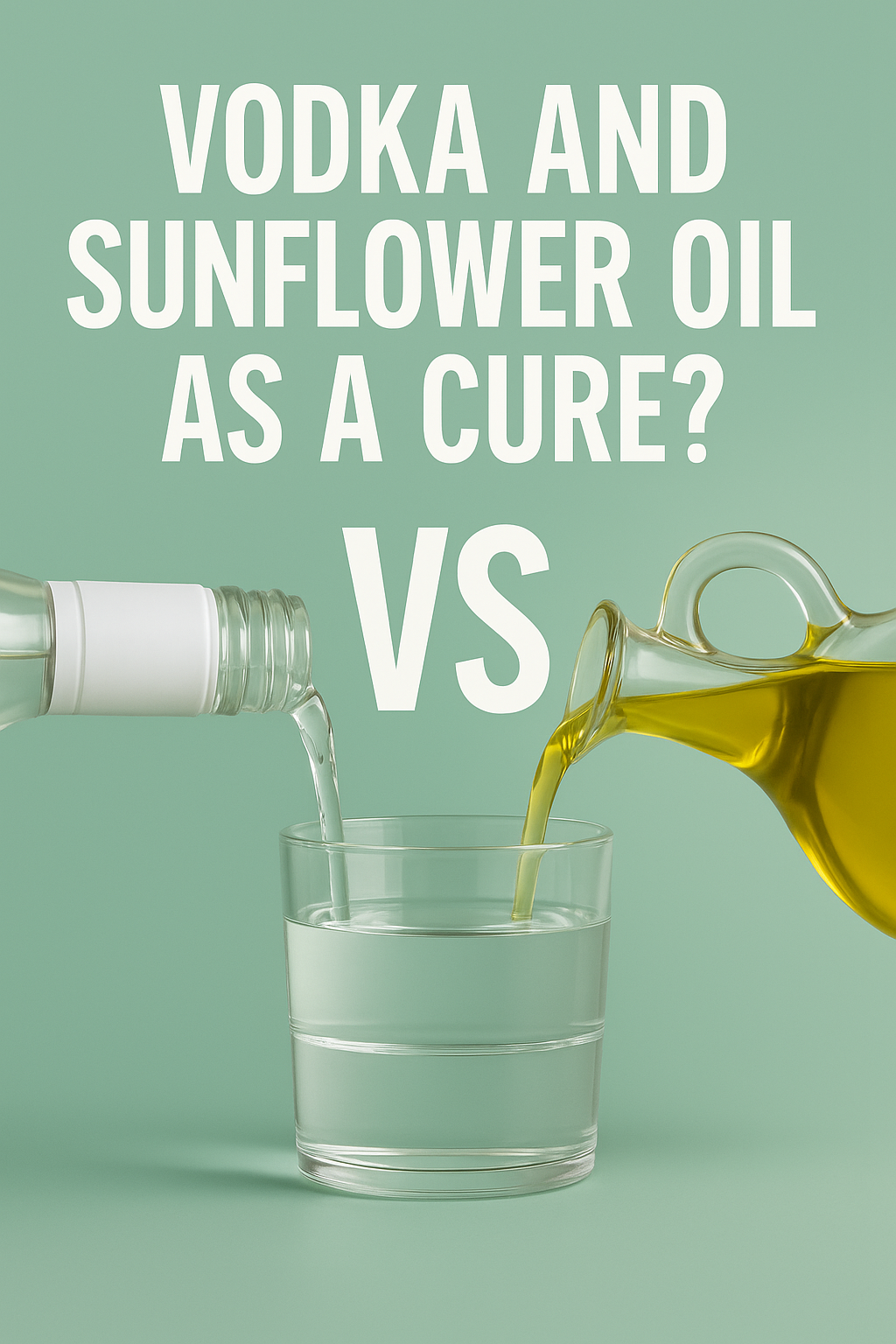
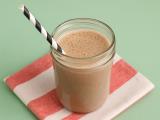
According to its followers, the method uses good-quality unrefined sunflower oil (some people experimented with olive oil, but reported less impressive results) and good-quality vodka with at least 40 percent alcohol. They mix 30 ml of vodka and 30 ml of sunflower oil and shake them vigorously until the liquid resembles an emulsion, then drink it in one go. It is always taken about 20 to 30 minutes before a meal.
Supporters insist that the two ingredients must be mixed in exactly equal amounts. They suggest taking it once or twice a day "for prevention" and at least three times a day "for healing." The mixture is taken for 10 days, followed by a 5-day break, and the cycle is repeated twice more, so one course lasts about 45 days, or longer.
The original instructions also claimed that there are "no known contraindications with other medicines." This is not accurate. Alcohol interacts with many common medicines, including some diabetes drugs, blood pressure medicines, painkillers, sedatives and antibiotics. The U.S. National Institute on Alcohol Abuse and Alcoholism keeps a long list of such interactions. People receiving cancer treatment should never add a regular alcohol routine without asking their oncologist.
A nutritionist looks inside the glass
Let's set the promises aside and look at what the mixture actually contains.
The alcohol. 30 ml of 40% vodka contains roughly 9.5 grams of pure alcohol, about one standard drink in many European countries. Three doses a day adds up to nearly 30 grams of alcohol daily. Over the 30 "drinking days" of a single 45-day course, that is around 2.7 liters of vodka.
The oil. 30 ml of sunflower oil provides about 245 kcal. Three doses add more than 700 kcal a day from oil alone, before a single bite of food. Unrefined sunflower oil is rich in linoleic acid (an omega-6 fatty acid) and vitamin E, and you can check its full profile in the USDA FoodData Central database. Used in cooking or salads, it is a perfectly good everyday fat. Nothing in its composition, however, suggests that drinking it with vodka turns it into a medicine.
The combination of daily spirits and several hundred extra calories may be especially unsuitable for people who are trying to manage their weight, blood sugar or blood pressure.
What major health organizations say about alcohol
This is where the story becomes almost ironic. Alcohol itself is classified as a Group 1 carcinogen by the International Agency for Research on Cancer (IARC), the same category as tobacco and asbestos. In January 2023 the World Health Organization stated that no level of alcohol consumption is safe for health, in a statement published in The Lancet Public Health. The WHO notes that about half of alcohol-related cancers in Europe are linked to "light" and "moderate" drinking.
The Canadian Centre on Substance Use and Addiction reached a similar conclusion in its 2023 guidance: the lower the intake, the lower the risk. A remedy that asks people to drink spirits several times a day, including people who are already ill, runs directly against this advice.
If you want to read more about how alcohol affects the body even in small amounts, see our article Why is it dangerous to eat these foods for breakfast.
The biggest risk is not the glass, it is the delay
For most healthy adults, a short experiment with vodka and oil might "only" mean extra calories and extra alcohol. The real danger appears when someone uses it instead of medical treatment.
A study by Yale researchers, published in the Journal of the National Cancer Institute in 2018, followed patients with breast, prostate, lung and colorectal cancer. Those who chose alternative medicine alone, without conventional treatment, had about a 2.5 times higher risk of death during the follow-up period than similar patients who received standard care. For breast cancer, the difference was even larger. The study is also available on PubMed.
Why do the testimonials sound so convincing?
The stories of thousands of people are the main reason the Shevchenko method is still alive. Browse the comment thread under a popular English-language blog post about the method, and you will find a pattern. One reader says she used it for two years and that her long-standing allergy disappeared. Another asks how soon he can start after finishing radiation therapy. A woman wants to know whether her husband can begin right after chemotherapy.
These comments reveal something important: many people take the mixture alongside or after conventional treatment. When they feel better, it is natural to credit the jar in the kitchen rather than the months of chemotherapy, surgery or radiation. Doctors also point to other well-known effects:
- The placebo effect: a ritual taken with hope and discipline can genuinely make people feel better, at least for a while.
- Lifestyle changes: followers are usually told to quit smoking, cut sugar and eat more carefully, and those changes can help on their own.
- Survivor bias: people who improve write enthusiastic testimonials, while those who do not rarely post online.
- Natural ups and downs: many chronic conditions have good and bad periods regardless of what we do.
None of this means readers are lying. It means personal stories, however sincere, cannot tell us whether a remedy works. That is exactly what controlled studies are for.
What you can do instead
If the appeal of the Shevchenko method is that it feels simple, natural and within your control, the good news is that there are simple, natural choices with real evidence behind them. Experts at MD Anderson Cancer Center recommend building meals around vegetables, whole grains, beans, nuts, seeds and fruit, keeping a healthy weight, and limiting foods and drinks linked to higher cancer risk, with alcohol at the top of that list.
For people already undergoing treatment, an oncology dietitian can help with appetite, nausea and food safety. Mayo Clinic Press has a helpful conversation on this topic.
Small kitchen habits matter too. Learn how to get more from everyday ingredients such as garlic, tomatoes and broccoli in our article Foods We Use Incorrectly.
The bottom line
The Shevchenko method is a fascinating piece of modern folk medicine: a simple recipe, a mysterious healer, a "patent" and a long list of hopeful stories. What it does not have is evidence. From a nutrition point of view, it delivers a daily dose of alcohol and a large amount of extra fat, which is not what most people with the listed conditions need.
Because it is so simple, it is tempting to try at home and "check the results with your doctor later." A better order is the reverse: talk to your doctor first, eat a varied, mostly plant-based diet, stay moderately active, and keep sunflower oil where it belongs, in the salad bowl.
Information on this website is for educational purposes only and is not medical advice.
expert, nutritionist
 Would you like to be informed about news on the website?







|

