





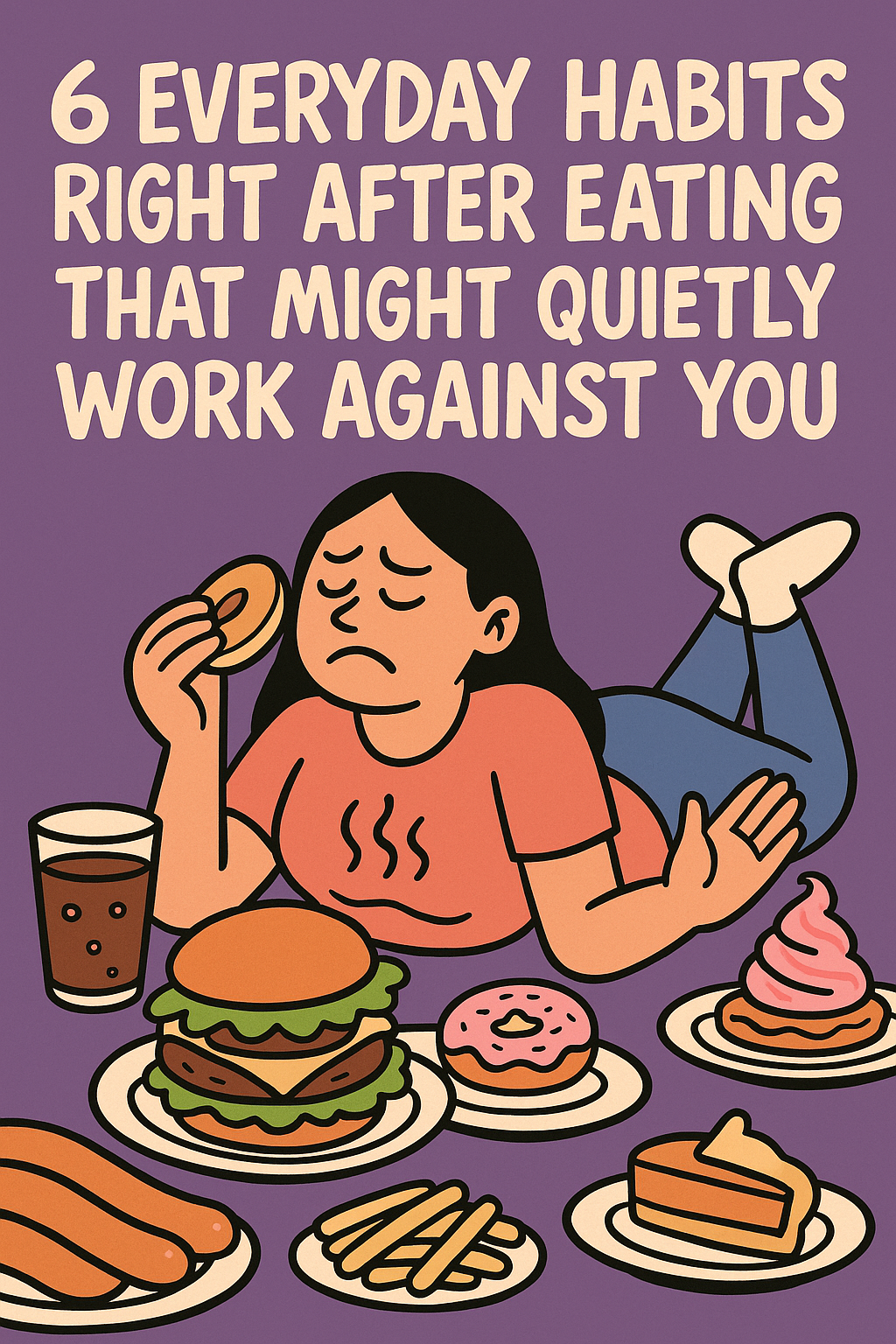
6 Everyday Habits Right After Eating That Might Quietly Work Against You
expert, nutritionist
A friend of mine — a nurse who's spent two decades on a gastroenterology ward — jokes that she's diagnosed more "mystery bloating" cases caused by people's after-dinner routines than by anything they actually ate. Lying down right after a big meal, she says, is the single habit she has to explain to patients most often. It's a good reminder that when you do something can matter almost as much as what you do.
Here are six common post-meal habits worth a second look — along with what the research (and a bit of old folk wisdom) actually says about each one. As always, none of this is medical advice, and if you have a diagnosed digestive condition, it's worth checking with your doctor before changing your routine.
1. Going for a Walk Immediately After Eating
Folk wisdom is split on this one, and it turns out the modern version of that folk wisdom is right: a slow, gentle walk after a meal is one of the more consistently supported post-meal habits. According to gastroenterologists cited by Fox News Health, light movement after a meal helps digestion along and can actually reduce reflux, while it's skipping movement altogether — especially napping — that tends to cause trouble. The one habit worth avoiding is intense exercise on a full stomach, which really can pull blood away from digestion and cause cramping.
2. Having Fruit as Dessert
The idea that fruit "ferments" if eaten right after a heavy meal is an old one, and there's a kernel of truth in it: fruit sugars are absorbed quickly, while proteins and fats digest slowly, so pairing them can occasionally mean more bloating for sensitive stomachs. A 2023 randomized crossover study published in Nutrients found that eating kiwifruit ahead of a carbohydrate-heavy meal blunted the blood sugar spike far more effectively than eating it afterward. So if you're watching blood sugar, fruit earlier in the meal (or as a stand-alone snack) is the better-supported choice — though for most healthy people, fruit for dessert isn't harmful, just not optimal. For more on how specific fruits affect digestion and weight, Foodwhisper.com has a good breakdown of 3 fruits that help you lose weight.
3. Drinking Tea With or Right After a Meal
This is the habit with the clearest evidence behind it. Tea is rich in polyphenols and tannins, compounds that bind to non-heme iron (the type found in plant foods) and make it harder for your body to absorb. A classic review in Critical Reviews in Food Science and Nutrition confirmed the effect and recommended drinking tea between meals rather than with them if you're watching your iron intake. If you're not managing anemia or low iron stores, an occasional cup with dinner isn't something to worry about — it mostly matters for people who are already borderline low. Foodwhisper.com has more detail on how tea, coffee, and eggs affect iron absorption.
4. Lying Down for a Nap
This one holds up well. When you lie flat, gravity stops helping move food (and stomach acid) in the right direction, which is why lying down soon after eating is one of the most commonly cited triggers for heartburn and acid reflux. WebMD's nighttime heartburn guidance specifically recommends staying upright for two to three hours after a meal, especially dinner, for exactly this reason. If an after-lunch nap is non-negotiable, propping yourself up at an angle rather than lying completely flat makes a real difference.
5. Jumping Into a Hot Shower or Bath
The theory here is plausible even if the evidence is thinner: a hot shower causes blood vessels near the skin to dilate, which pulls some blood flow toward the skin's surface and away from the digestive organs. Gastroenterologists interviewed by Livestrong note this could theoretically cause mild cramping in a full stomach, though most people digest normally regardless. Healthline points out there's no conclusive research proving it's actually harmful — so this is more "worth knowing" than "worth worrying about," unless you already notice discomfort after a hot shower on a full stomach, in which case a lukewarm one is the easy fix.
6. Lighting a Cigarette
Of everything on this list, this is the one habit with genuinely consistent research behind it being harmful — and for reasons that go well beyond digestion. Nicotine affects gut motility and the gut microbiome, and research summarized by Healthline links smoking to worsened symptoms in both inflammatory bowel disease and irritable bowel syndrome, with one study finding that around 30% of IBS patients who quit smoking reported fewer symptoms like bloating and cramping. If you're looking for one habit on this list actually worth breaking rather than just timing better, this is it.
The Takeaway
None of these habits are emergencies — your body is generally very good at multitasking. But if you regularly deal with bloating, heartburn, or fatigue after meals, small timing tweaks (staying upright a little longer, saving tea for between meals, taking it easy on the post-lunch nap) are low-effort places to start before assuming something more serious is going on.
Information on this website is for educational purposes only and is not medical advice.
expert, nutritionist
 Would you like to be informed about news on the website?











|

