




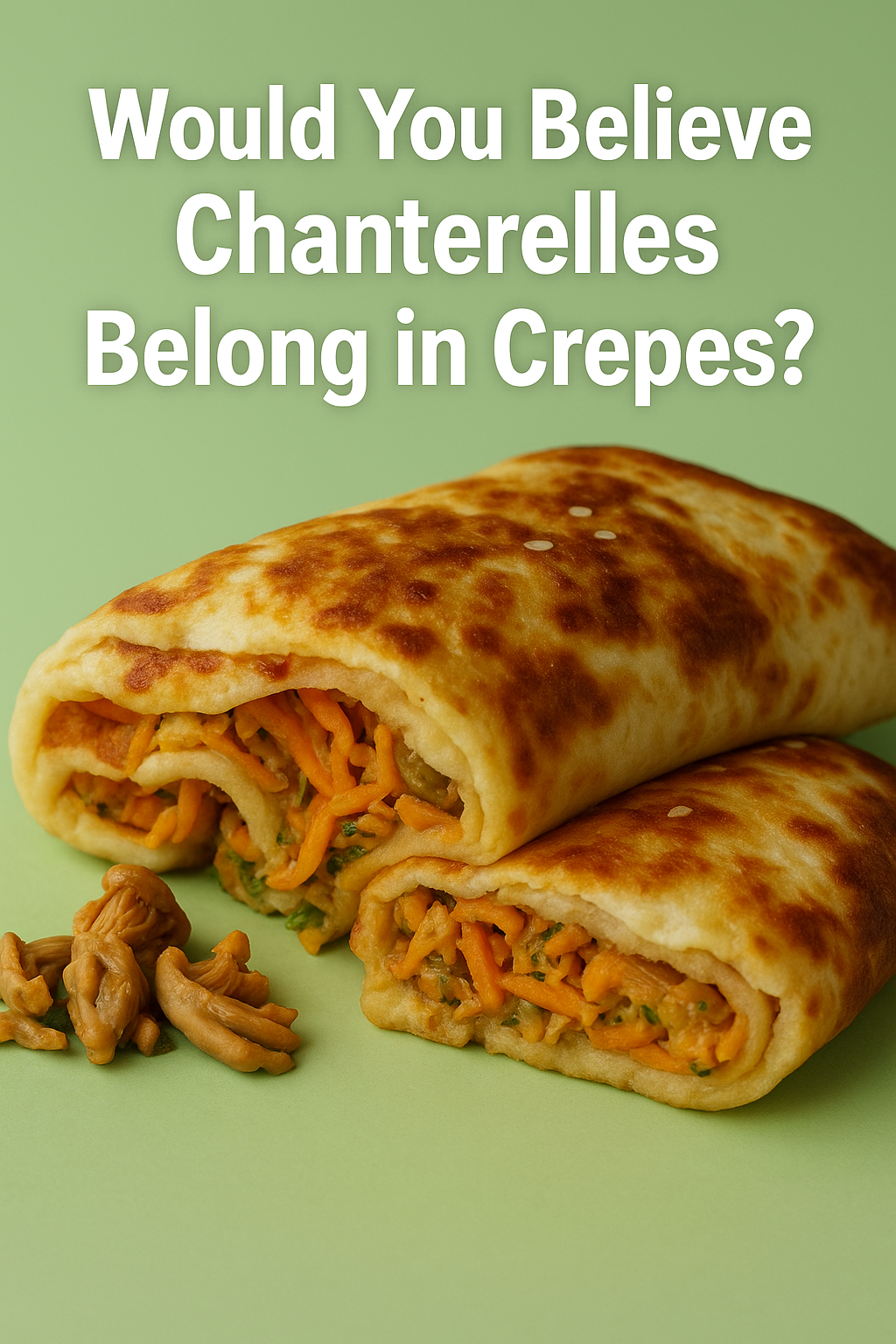


Would You Believe Chanterelles Belong in Crepes? This Recipe Will Change How You See These Forest Treasures
expert, nutritionist
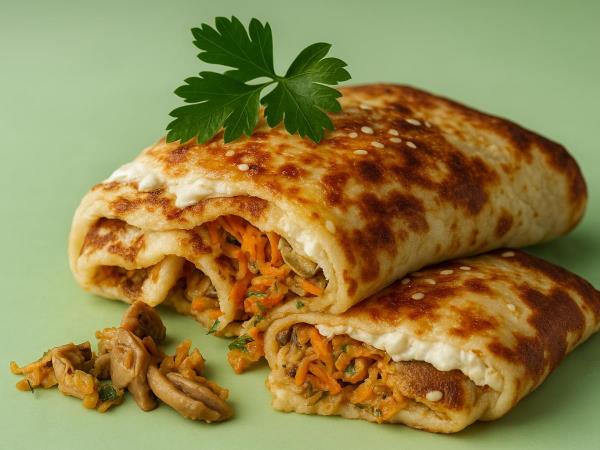
Picture this: you pull a tray of golden, bubbling crepes out of the oven, the smell of sizzled onion and forest mushrooms drifting through the kitchen, a crackled top of parmesan and sesame just starting to brown. It doesn't look like a "mushroom dish" at all — it looks like something you'd order in a countryside restaurant. And yet the star ingredient is something you might have walked past in the woods without a second glance.
Long before chanterelles show up on a plate, someone has to find them — and that hunt has its own kind of magic. A pair of longtime foragers on California's Lost Coast once described the moment perfectly: after the first autumn rains, a tiny fleck of orange pokes up through the leaf litter, "bright gold-orange... popping and glowing against the forest floor." One of them even joked that he could smell the mushrooms in the air before he spotted them, though he admitted he was never quite sure if it was the chanterelles or just the scent of the woods coming alive after rain (NPR). That sense of a small, golden reward hiding in plain sight is exactly what makes this recipe worth trying — it takes a foraged treasure and turns it into a dish the whole table will fight over.
Why Chanterelles and Crepes Actually Work Together
Chanterelles have a delicate, slightly peppery flavor with a hint of apricot-like fruitiness, a firm, meaty texture, and a golden, funnel-shaped cap that sets them apart from ordinary cultivated mushrooms (Woodland Trust). Because they can't be farmed and only grow in the wild under the right mix of moisture and shade, they carry a genuine "forest to table" character — which is exactly why they pair so well with something as simple and neutral as a thin, buttery crepe. The crepe becomes a canvas; the mushrooms bring the personality.
Ingredients
For the mushroom filling
- 500 g (about 1.1 lb) fresh chanterelle mushrooms
- 1 medium onion
- 3 cloves garlic
- A handful of fresh parsley, chopped
- Oil, for saut{-15447}ing
- 20 g (about 1½ tbsp) butter
- Salt
- Pepper
For the crepe batter
- Milk
- Flour
- 2 eggs
- Salt
- Oil, for frying
For the topping
- 300 g (about 10.5 oz) sour cream
- 1 egg
- A pinch of salt and pepper
- 2 tbsp sesame seeds
- 2 tbsp grated parmesan
Method
- Prepare a batch of thin crepes using the milk, flour, eggs, salt, and a little oil. The number of crepes depends on how many people you're serving.
- Finely chop the onion and saut{-15447} it in a little oil until soft and translucent.
- Clean the chanterelles — if possible, avoid rinsing them under running water, as they absorb moisture easily; a soft brush or damp cloth works better. Tear them into smaller strips.
- Add the mushrooms to the pan and saut{-15447} until all the liquid they release has evaporated and they start to sizzle in the pan.
- Stir in the crushed garlic and chopped parsley, season with salt and pepper to taste, and cook for a few more minutes.
- Remove the pan from the heat and stir in the butter.
- Place a heaping spoonful of the mushroom filling on each crepe, roll it up, and arrange the rolls side by side in a baking dish generously buttered beforehand.
- Whisk the sour cream together with the egg, season lightly with salt and pepper, and pour the mixture evenly over the crepes.
- Sprinkle the top with sesame seeds and grated parmesan.
- Preheat the oven to 220{-15696}C (428{-15696}F) and bake the crepes for about 20 minutes, until the top is nicely golden and set.
Enjoy!
A Note on Nutrition
Chanterelles are naturally low in calories, and USDA composition data lists raw chanterelles as a source of dietary fiber, potassium, and vitamin D, alongside smaller amounts of iron and B vitamins (USDA FoodData Central, FDC ID 168422). As with any wild ingredient, exact nutrient levels can vary depending on where and when the mushrooms were picked, so these figures are best treated as general reference points rather than a guarantee for a specific batch. This dish, of course, also includes sour cream, parmesan, butter, and eggs, so it's best enjoyed as a satisfying seasonal treat rather than a low-calorie staple.
A Word on Foraging Safely
If you're picking your own chanterelles rather than buying them, identification matters. True chanterelles have blunt, fork-like ridges running down the stem rather than true gills, a fruity apricot-like aroma, and a firm, non-hollow flesh — features experienced foragers use to tell them apart from toxic look-alikes (Wikipedia: Chanterelle). If you're new to mushroom foraging, it's worth going out with an experienced forager or consulting a detailed regional identification guide before eating anything you've picked yourself, such as the overview published by the Woodland Trust.
Information on this website is for educational purposes only and is not medical advice.
expert, nutritionist
 Would you like to be informed about news on the website?






|

