




The Scale Isn't Lying to You — But These 3 Habits Might Be
expert, nutritionist
You step on the scale, brace yourself, and... the number makes no sense. Yesterday you were sure you'd made progress. Today it looks like all of it vanished overnight. Before you spiral into frustration, here's the reassuring part: in most cases, the scale isn't wrong — it's just being asked the wrong question, at the wrong time, under the wrong conditions.
One reader who wrote in about her own weight-loss journey put it simply: for months she weighed herself at random times — sometimes right after a workout, sometimes fully dressed after dinner — and the constant swings nearly convinced her nothing was working. It wasn't until she standardized when and how she weighed herself that the numbers finally started telling a consistent, encouraging story. Her experience lines up with what weight-management researchers have found again and again: the scale is a useful tool, but only when it's used the same way every time.
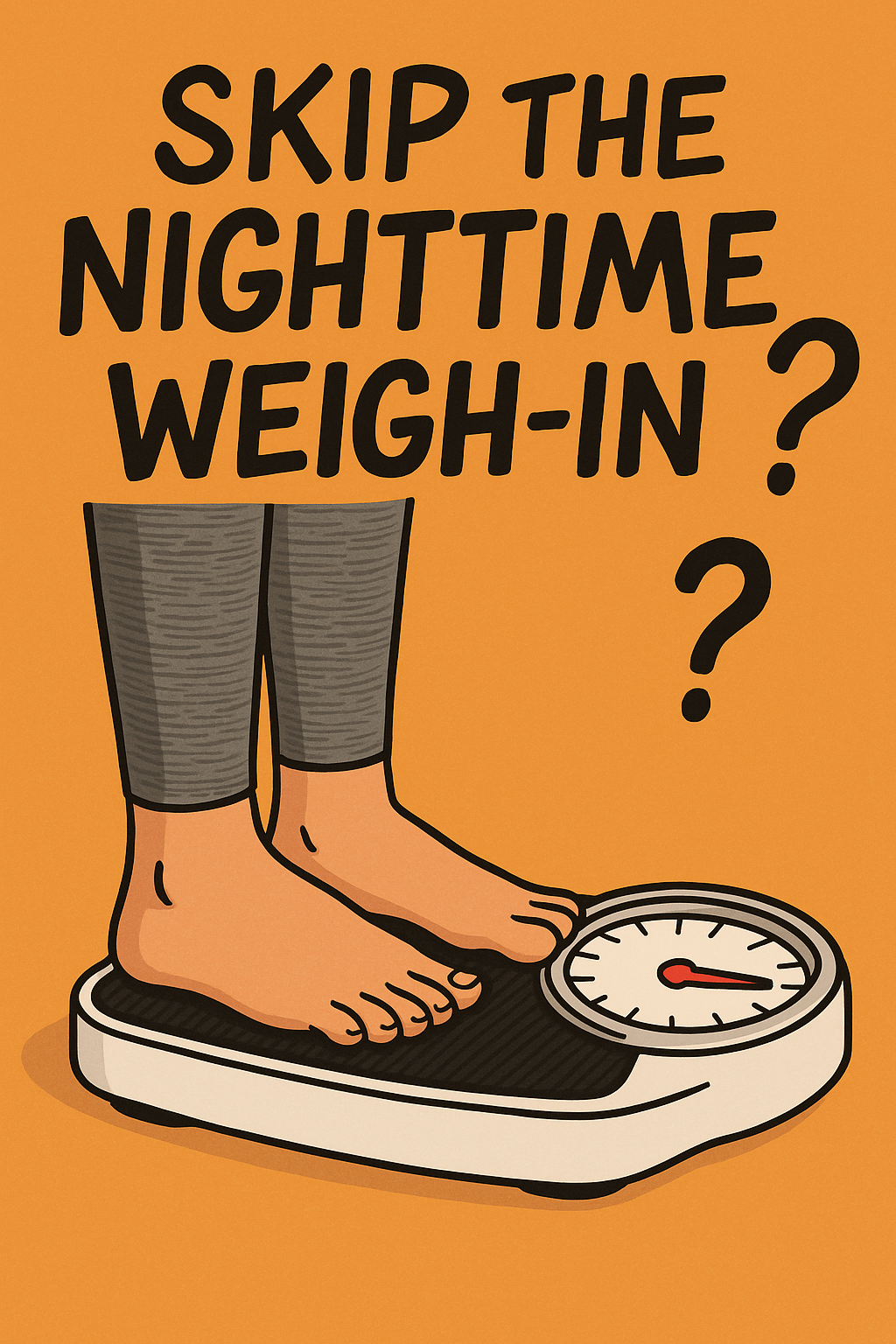
1. Skip the Nighttime Weigh-In
If you're someone who hops on the scale more than once a day, you've probably noticed you read heavier in the evening than in the morning. That's normal. Over the course of the day, your body holds onto more fluid, food is still moving through your digestive system, and you simply haven't had the overnight hours to process and reset.
According to weight-management specialists, the most reliable time to weigh yourself is first thing in the morning, after using the bathroom and before eating or drinking anything — that's the point in your day with the fewest variables muddying the number.
2. Weighing With Clothes On
Even lightweight loungewear, and especially shoes, add extra grams (sometimes more) to whatever the scale reads. The amount varies a lot from person to person and outfit to outfit, but it's rarely nothing — and if you're comparing today's number to yesterday's, small unaccounted-for differences add up to a misleading trend line.
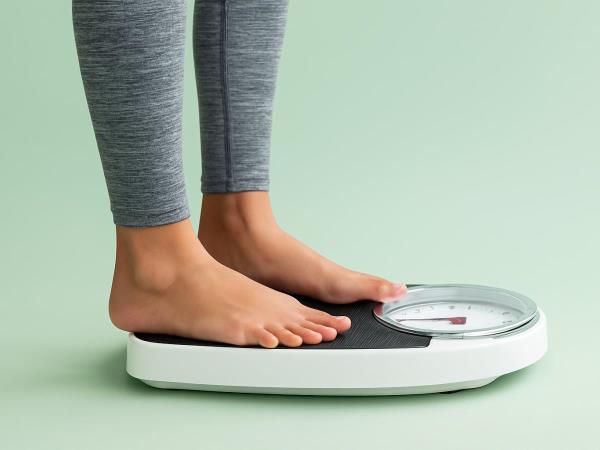
The simplest fix: weigh yourself with as little clothing as possible (or the exact same outfit every time), barefoot, on the same hard, flat surface — carpet can throw off a home scale's accuracy too.
3. Weighing Right After a Workout
It's tempting to hop on the scale right after a sweaty session, when the number looks its best. But that dip is mostly water lost through sweat, not fat — and if you rehydrate and refuel properly afterward (which your body needs, to avoid dehydration), most of that number will come right back. It doesn't mean the workout "didn't work"; it means the scale was never measuring fat loss in that moment to begin with.
How Often Should You Actually Weigh In?
The older, common wisdom was: weigh in once a week, same day, same time, and leave it at that. More recent research complicates that a little. A study from Duke University published in the Journal of the Academy of Nutrition and Dietetics found that people who weighed themselves daily tended to adopt more weight-control habits and lost more weight over time than those who weighed in less often. A separate two-year study from Cornell University, published in the Journal of Obesity, found that frequent self-weighing paired with tracking helped people both lose weight and keep it off.
That doesn't mean daily weighing is mandatory or right for everyone — for some people, obsessing over daily fluctuations can be discouraging or even trigger unhealthy focus on the number. The real common thread across the research isn't the frequency, it's the consistency: same time of day, same conditions, same scale, tracked over weeks rather than judged day to day. If you notice weighing in is affecting your mood or relationship with food, it's worth talking to a doctor or dietitian about what tracking approach (if any) makes sense for you.
About That "7,700 Calories per Kilogram" Number
You'll often hear that one kilogram of body fat is "worth" roughly 7,700 calories, so eating or burning that much more or less should shift the scale by a kilogram. It's a handy rough estimate, and it's not baseless — it traces back to older research estimating the energy content of adipose tissue. But as outlets like Medical News Today have reported, more recent studies suggest this kind of simple math tends to overestimate real-world results, because the body adjusts its metabolism as weight changes. Treat it as a loose planning tool, not a guarantee — and remember that day-to-day scale movement is driven far more by water, food volume, and timing than by actual fat gained or lost.
The Bottom Line
A home scale can be a genuinely useful check-in tool — but only if you give it a fair, consistent shot: same time (ideally morning, after the bathroom, before breakfast), minimal clothing, and not immediately after exercise. And if you ever see a sudden, large jump in either direction that doesn't match how you've been eating or training, it's worth mentioning to your doctor rather than assuming the worst on your own — sudden swings are often just water, but a professional can rule out anything else going on.
Weight tends to go up quickly and come down slowly — and that's not a failure on your part. It's just biology asking for a little patience.
Information on this website is for educational purposes only and is not medical advice.
expert, nutritionist
 Would you like to be informed about news on the website?














|

