





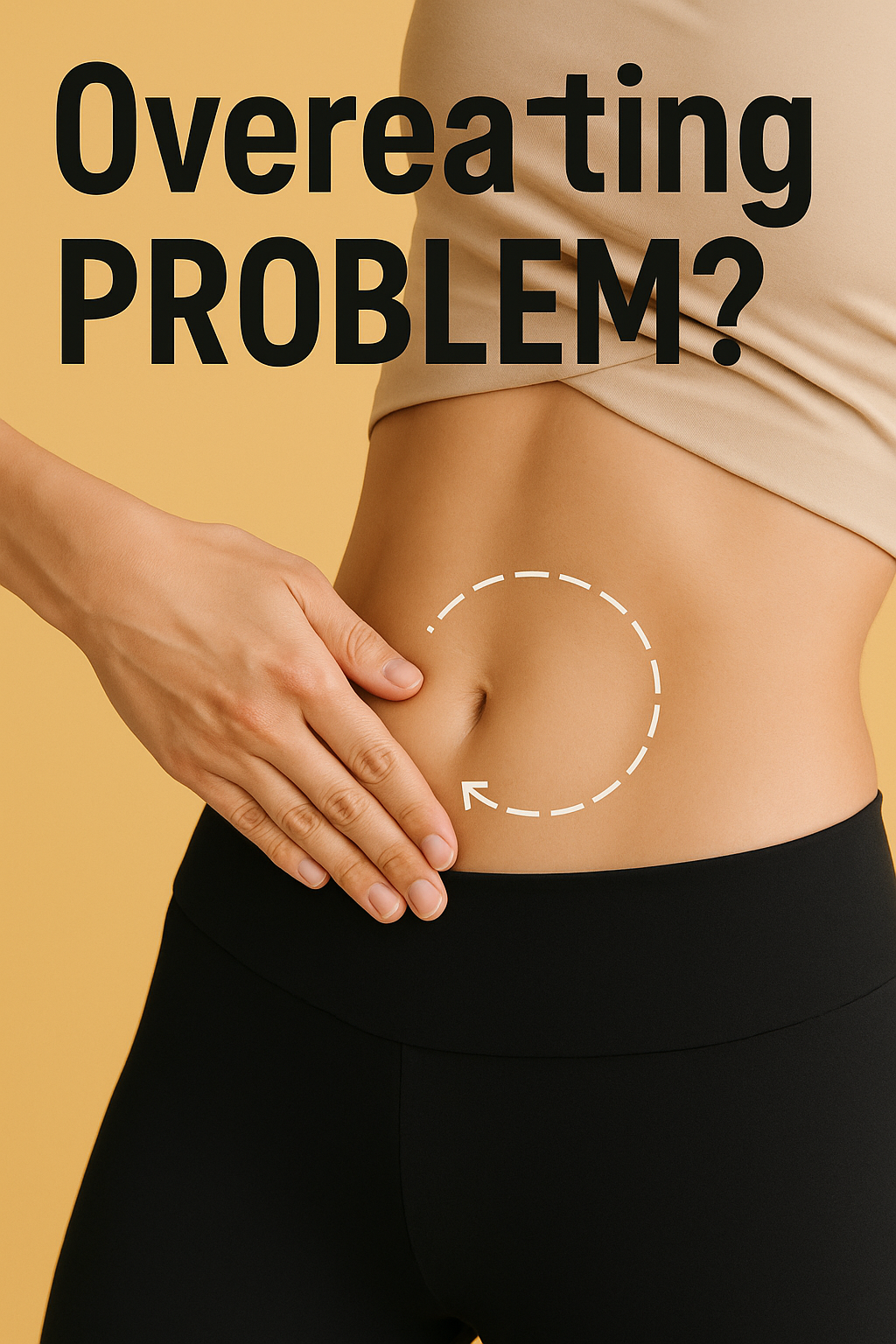

The Little-Known Trick: How a Daily Belly Massage Can Support a Flatter, More Comfortable Stomach
expert, nutritionist
"I started doing it almost as a joke, just two minutes after dinner while scrolling my phone," recalls one long-time Foodwhisper reader who has struggled with sluggish digestion for years. "Within a couple of weeks, the bloating that used to keep me up at night had noticeably eased, and I wasn't reaching for second helpings the way I used to. It didn't melt my stomach away, but it made me feel lighter and more in control around food." Her experience lines up with something specialists have long suspected: the belly isn't just where we store fat — it's also where a huge part of our digestive system does its daily work, and a little external stimulation can help that system run more smoothly.
The abdomen is one of the areas of the body where fat tends to accumulate most readily, which is exactly why it can feel so stubborn to change. A nutrient-dense diet, consistent meal timing, and regular movement remain the foundation of any long-term change in body composition — there's no way around that. But if your schedule doesn't always allow for a structured diet or a daily workout, there is a gentle, complementary habit that costs nothing and takes only a few minutes: massaging your abdomen.
It's worth being upfront about what this can and can't do. Decades of exercise-science research have shown that you cannot selectively "melt" fat from one specific area of the body simply by manipulating or exercising that spot — a phenomenon researchers call "spot reduction," and the science consistently shows it doesn't work that way. What abdominal massage can realistically help with is your digestive comfort — and, indirectly, that improved comfort may make it easier to eat mindfully and avoid the bloated, "stuffed" feeling that often leads to overeating.
Abdominal Massage: What It Actually Does
A few minutes of regular abdominal massage costs nothing and can bring some genuinely pleasant side effects. Beyond a visually calmer, less bloated midsection, many people report an overall improvement in wellbeing, better regularity, and support for a "sluggish gut." Gentle massage is also thought to help ease the urge to overeat, likely because it supports a calmer, more efficient digestive process rather than by acting on appetite directly.
This isn't just folk wisdom. The U.S. National Center for Complementary and Integrative Health (NCCIH) notes that massage therapy is generally considered safe for most healthy adults and has been studied for a range of wellbeing benefits, including relaxation and stress reduction — both of which are closely tied to healthy digestion. More specifically, a 2022 randomized, placebo-controlled clinical trial published in Physical Therapy found that abdominal massage led to significantly greater improvements in constipation severity, bowel function, and quality of life compared with a placebo treatment in adults with chronic functional constipation. Several earlier studies point in the same direction, suggesting that stimulating the abdomen with gentle, rhythmic pressure can encourage the natural wave-like contractions (peristalsis) that move food through the intestines.
As always with anything touching on digestion or hormonal changes, results vary from person to person, and abdominal massage should be seen as a supportive habit rather than a treatment for any underlying digestive condition. If you experience persistent bloating, pain, or changes in bowel habits, it's worth checking in with a doctor before relying on self-massage alone — and it's generally advised to avoid abdominal massage during pregnancy or with certain existing health conditions without first getting medical clearance.
How to Do It
The technique itself couldn't be simpler. Using slow, medium-firm circular movements, massage your abdomen in a clockwise direction — the same direction your digestive tract naturally moves food — about 30 times, then repeat 30 times counter-clockwise. If needed, you can go through the sequence again. It helps to warm the skin on your abdomen slightly beforehand, for example by rubbing your palms together first or using a small amount of oil or lotion to reduce friction, which several massage guides recommend for comfort and easier gliding.
Wait at least an hour before repeating the massage, and aim for no more than three sessions a day. Many people find it most effective about half an hour after lunch and dinner, since this timing may help support the digestive process right when your gut is actively working through a meal — potentially helping your body absorb nutrients more efficiently, keeping you feeling satisfied for longer, and supporting more regular digestion overall.
The Bottom Line
A daily abdominal massage isn't a shortcut to a flat stomach, and no reputable source — including the research cited above — claims that it directly burns abdominal fat. What it may genuinely offer is a low-cost, low-effort way to support digestive comfort, ease bloating, and build a moment of mindful body awareness into your day, which in turn can make it easier to stick with healthier eating habits over time. Paired with a balanced diet, adequate hydration, and regular movement, it's a small addition that costs nothing but a few minutes — and, according to the readers who've tried it, is genuinely pleasant to do.
Information on this website is for educational purposes only and is not medical advice.
expert, nutritionist
 Would you like to be informed about news on the website?















|

