





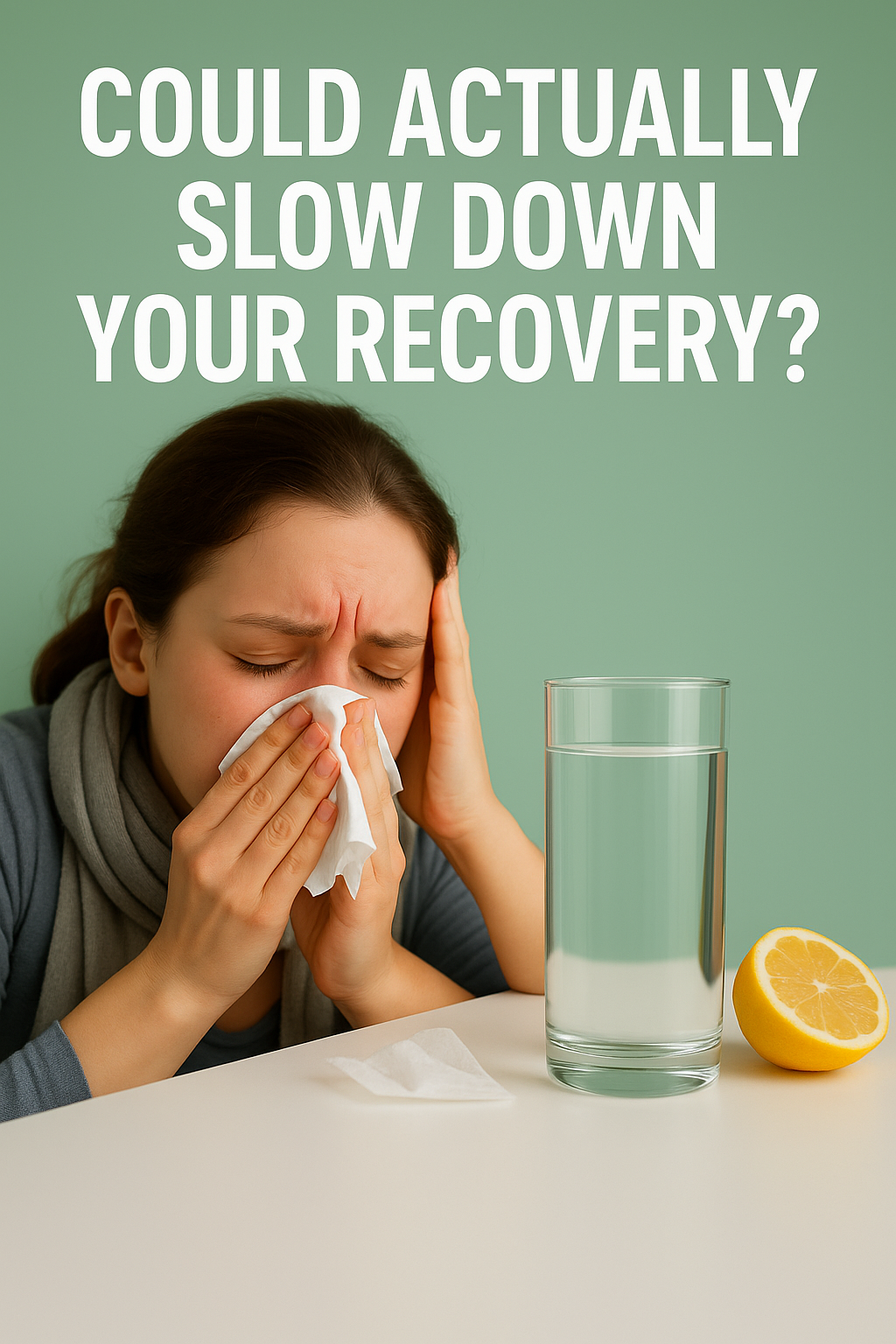


Coffee, Juice, and Dairy When You Have a Cold: Which One Could Actually Slow Down Your Recovery?
expert, nutritionist
You're stuck in bed, nose blocked, throat scratchy, and reaching for whatever feels comforting: a big glass of orange juice, a strong coffee to shake off the fog, maybe a bowl of yogurt because it "feels healthy." A few of those everyday habits, though, may work against you more than you'd expect while your body is trying to fight off a virus — and one habit in particular might be doing more harm than most people realize.
One home cook who runs a popular food blog described going through exactly this during a bad bout of flu, cutting out coffee, sugar, and dairy for three weeks straight and sticking to it "pretty well" until she was back on her feet — a small, relatable reminder that even food bloggers second-guess their cupboard staples once they're under the weather.
Most of us think we already know how to nurse a cold. But a handful of everyday foods and drinks quietly make the immune system's job harder — and they're not always the ones you'd suspect.
1. Store-Bought Fruit Juices
Most bottled and carton juices are made from concentrate and, regardless of what "100% juice" on the label suggests, tend to pack in a lot of sugar with very little of the fiber or live plant compounds found in whole fruit. A high sugar intake has been linked in laboratory studies to a temporary dip in the activity of certain white blood cells, an effect Scientific American describes as putting immune cells into something like a short "coma" after a sugary meal. It's not a reason to panic over the occasional glass of juice, but during a cold it may be worth choosing whole fruit or a freshly squeezed juice instead.
2. Fried Foods
Fried food isn't an ideal choice even when you're perfectly healthy, and it doesn't get any friendlier while you're sick. It tends to be high in saturated fat, which can sit heavily on digestion at a time when your body's energy is better spent fighting off infection. Frying starchy foods at high heat also produces a compound called acrylamide, which the International Agency for Research on Cancer has classified as a "probable" human carcinogen — a cautious classification based mainly on animal studies, with human evidence still described as inconclusive by health authorities such as Sciensano, Belgium's public health institute. In other words, an occasional portion of fries isn't something to lose sleep over, but a cold is a reasonable excuse to give your digestion a break from the fryer.
3. Coffee
The old advice to cut out coffee when you're sick comes from caffeine's reputation as a diuretic, and the worry that it could dehydrate an already run-down body. Staying well hydrated while sick genuinely matters, since fluids help thin mucus and support recovery. Interestingly, more recent research complicates the "coffee dehydrates you" idea: a study from the University of Birmingham, published in PLOS ONE, found that moderate coffee drinking hydrated regular coffee drinkers about as well as an equal amount of water. That said, if a cold has you sweating, running a fever, or drinking less overall, it's still a sensible moment to lean more on water, herbal tea, and broths, and treat your usual coffee as optional rather than essential.
4. Pickled and Fermented Vegetables
Sour, salty, and pickled foods — think pickles, pickled peppers, or pickled onions — can irritate an already inflamed throat and sinus lining for some people, so it may be worth setting them aside for a few days while symptoms are at their worst. Fresh citrus, on the other hand, tends to be gentler and brings genuine nutritional value: a 2021 review in Frontiers in Immunology found that citrus fruit juices are a good source of vitamin C and plant compounds that support normal immune cell function, without claiming they can cure or prevent illness. The advice to keep it simple still holds — a plain, freshly squeezed orange juice, without other ingredients mixed in, is usually the easiest on a sensitive stomach. If you'd rather turn citrus into a warming drink, this orange, ginger, and lettuce blend for immune support is a gentler way to get your vitamin C without the acidity of straight juice.
5. Alcohol
Like caffeine, alcohol has a dehydrating effect on the body — but unlike coffee, the evidence here doesn't offer much of a silver lining. Even a small amount can add to fluid loss at a time when your body needs the opposite, and there's no good reason to reach for a "medicinal" shot while you're sick. If anything, it risks dragging out how long you feel unwell, so it's one habit worth pausing without much debate until you're back to full health.
6. Dairy Products
Dairy is a genuinely useful source of protein and, depending on the product, vitamin D, both of which support the body generally. The idea that milk thickens mucus and worsens coughing is one of the most persistent food myths out there, though: a review in the Archives of Disease in Childhood, summarized by the dairy-industry research group Dairy Farmers of Canada, concluded there's no solid evidence that milk increases mucus production — the thick feeling some people notice is more likely from milk's texture coating the mouth and throat rather than extra mucus itself. Because the science is genuinely mixed and some people do feel like dairy thickens their phlegm, it comes down to personal comfort: if warm milk or yogurt doesn't bother you, there's no strong reason to cut it out; if it does, it's fine to skip it for a few days.
The Takeaway
None of this means one wrong sip of coffee or one pickle will keep you sick longer — recovery from a cold depends on far more than any single food. But small, low-effort swaps can add up: freshly squeezed citrus instead of a sugary carton juice, water and herbal tea alongside your usual coffee, and holding off on fried food and alcohol until you're feeling more like yourself. If you're looking for something warming to sip on while you recover, this turmeric and coconut oil warm drink is a comforting, low-sugar option worth trying instead.
Information on this website is for educational purposes only and is not medical advice.
expert, nutritionist
 Would you like to be informed about news on the website?










|

