


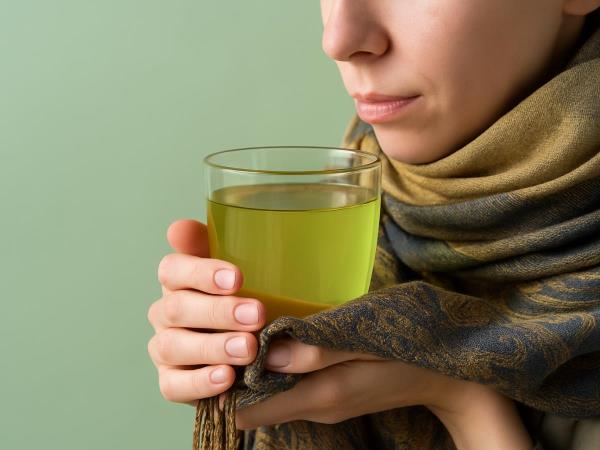



The Old Chinese Ginger, Cinnamon, and Lemon Drink That Makes You Actually Look Forward to Cold Season
expert, nutritionist
There's a particular kind of dread that shows up every year around the same time: the first cold snap, the first scratchy throat on the bus, the first box of tissues appearing on someone's desk at work. Long before pharmacies existed, households across China had their own answer to that dread — a warming mix of ginger, cinnamon, and lemon, brewed at night and finished off the next morning on an empty stomach. It's simple, it's cheap, and it has quietly survived generations of grandmothers passing it down to their children.
A Reader's Story: Why This Little Ritual Sticks Around
One Foodwhisper reader wrote in to describe how her mother used to set a mug of this exact mix on the kitchen counter every October, "whether we thought we needed it or not." She admitted she rolled her eyes at it for years — until she started making it herself during her first winter living alone, mostly out of nostalgia rather than any real health strategy. What kept her doing it, she said, wasn't a miracle recovery from anything, but simply that it felt good to drink something warm and fragrant before bed, and that the small ritual made the darker months feel a little more manageable. That's a modest claim, and it's probably the most honest one anyone can make about this drink: it's comforting, it's pleasant, and for many people that's already reason enough.
The Old Recipe
This particular version comes from Chinese folk tradition and is typically prepared with tea and fresh ginger, alongside a long list of ingredients said to help with everything from digestion to joint discomfort. Here's how it's traditionally made:
How to Prepare It
- Mix two teaspoons of cinnamon with one teaspoon of dried mint and about 200 ml (roughly ¾ cup) of boiling water.
- Stir well, then add one teaspoon of freshly chopped ginger and the juice of half a lemon.
- Cover the mixture and let it steep for at least 30 minutes (longer is fine).
- Drink half of it in the evening before bed, and the other half the next morning on an empty stomach.
Many people who make this say they notice a difference in how they feel after just the first cup, and that keeping it up for a week or so through the start of autumn becomes part of their seasonal routine. That's a subjective, personal experience rather than a guarantee — everyone's body responds differently, and a warm drink with mint and citrus is, at minimum, a genuinely pleasant thing to have on hand when the weather turns.
What's Actually in the Cup: A Closer Look at Each Ingredient
Ginger
Ginger's reputation isn't just folklore. It contains compounds called gingerols, which have been studied for their antioxidant and anti-inflammatory activity. A randomized, placebo-controlled clinical trial published in the journal Nutrients found that a concentrated ginger extract reduced perceived joint pain and inflammatory markers in adults with mild to moderate joint discomfort (read the study on PubMed Central). That's a meaningful, real finding — though it's worth noting the study used a specific, standardized extract rather than a teaspoon of fresh ginger in a cup of tea, so the effect of a home remedy is likely much milder.
Cinnamon
Cinnamon has a long history in traditional medicine, and modern research has looked at it from several angles: laboratory studies have found antimicrobial activity against certain fungal strains, and a number of clinical studies in people with type 2 diabetes have found that cinnamon supplementation may modestly lower fasting blood sugar. A helpful overview of this research, including its limitations, is available from Medical News Today's summary of cinnamon research. As with most spices, "shown in a study" doesn't mean "proven cure," and researchers are still working out which forms and doses matter.
Lemon
Lemon is a good source of vitamin C, which plays a real, well-documented role in normal immune function. That said, the popular idea that vitamin C prevents colds is more nuanced than it sounds: a large Cochrane-affiliated review found that regular vitamin C supplementation does not reduce the number of colds people catch in the general population, though it may modestly shorten how long a cold lasts (see the review on PubMed Central). In other words, lemon is a good, refreshing source of a genuinely important nutrient — just not a shield against catching a virus.
Mint
Mint doesn't get much scientific attention in this particular recipe, but its main job here is a practical one: it adds a cooling, soothing aroma that makes the drink easier to enjoy, especially if a scratchy throat is already part of the picture.
A Note on the Bigger Claims
You may come across bolder versions of this recipe online claiming it "protects against modern viruses" or works as a cure-all for flu season. There's no scientific evidence to support claims like that, and it's worth being skeptical of any home remedy — however comforting — that promises to prevent viral illness outright. What the research above does support is more modest: ginger, cinnamon, and lemon each bring real, studied properties to the table, from antioxidant activity to a good vitamin C boost, and a warm cup of something fragrant is a genuinely nice thing to reach for when the weather turns. If you're dealing with a persistent cough, high fever, or symptoms that aren't improving, that's a conversation for a doctor, not a kitchen remedy.
More Warming Drinks to Try This Season
- Summer flu due to air conditioning? 3 ingredients that strengthen the immune system
- Warm Water with Turmeric Against Winter Troubles
- 4 Ingredients, One Evening Glass: A Ginger, Cucumber, Parsley & Lemon Drink That Supports a Healthy Metabolism
- The Energy of Seven Juices for a Better Thyroid
- 7 Types of Vegetables That Heal the Body
Information on this website is for educational purposes only and is not medical advice.
expert, nutritionist
 Would you like to be informed about news on the website?













|

