






8 Foods Nutritionists Quietly Avoid — And Why It's Worth Knowing
expert, nutritionist
A nutritionist friend of mine once joked that her pantry looks nothing like her clients' shopping lists. It's not that she panics over any single ingredient — she's quick to say that no food, eaten occasionally, is going to make or break your health. But over the years, she's quietly dropped a handful of items from her own routine, simply because the trade-off didn't feel worth it once she looked into the details. Talk to enough dietitians and food scientists and you'll hear the same short list come up again and again. Here are the eight foods they mention most often, along with what the research and regulators actually say about each one.
1. Canned tomatoes (especially older or damaged cans)
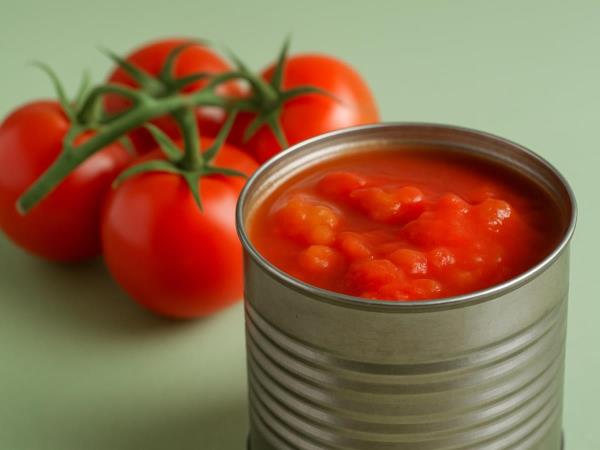
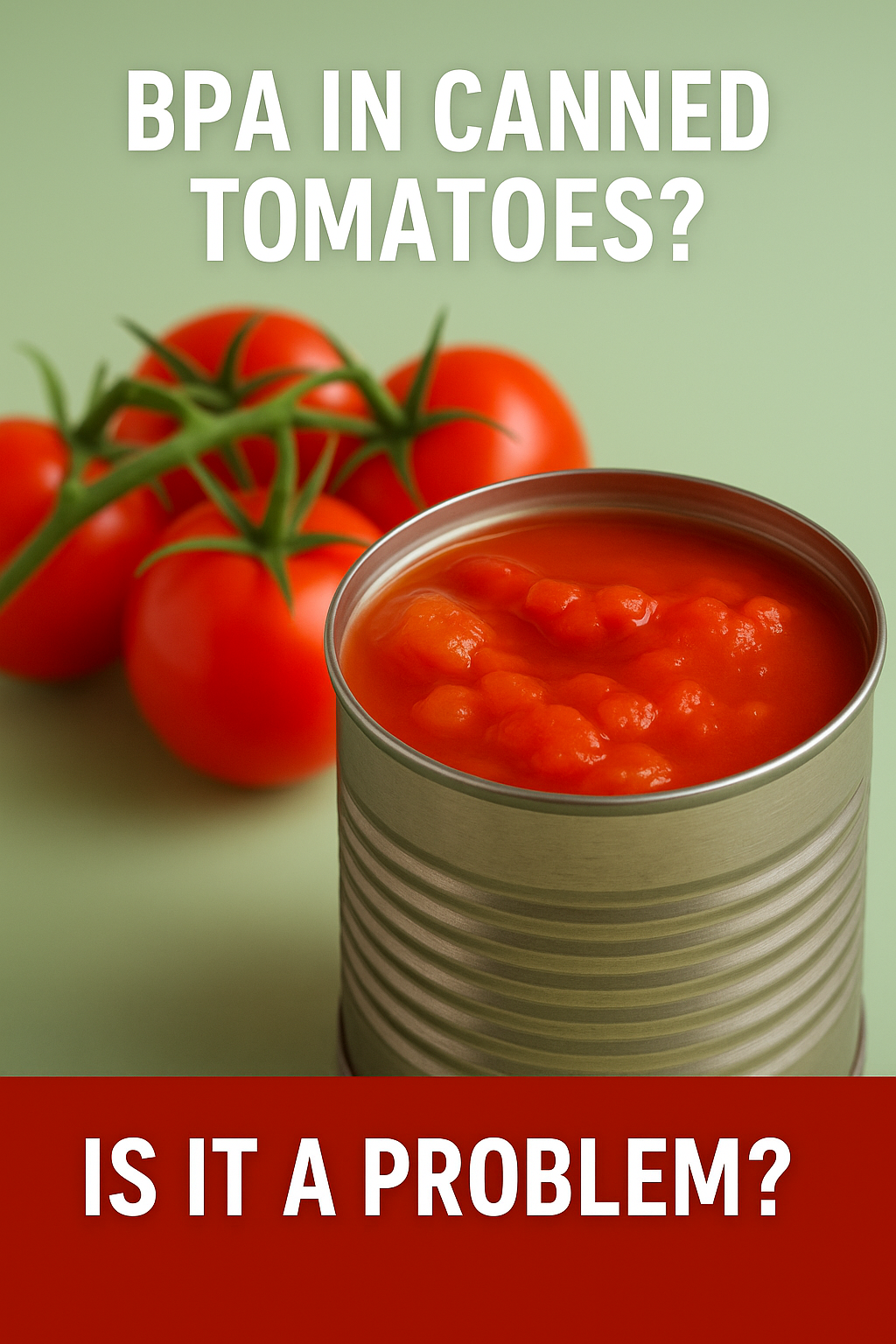
Tomatoes are acidic, and that acidity can cause small amounts of bisphenol-A (BPA) — a chemical once widely used in the epoxy lining of metal cans — to migrate into the food, particularly if a can is dented or has sat for a long time. Laboratory testing by America's Test Kitchen found measurable but low levels of BPA in canned tomato products. Regulatory agencies are divided on how concerned to be: the U.S. FDA considers current exposure levels safe, while some researchers continue to flag BPA as an endocrine disruptor worth watching, especially for pregnant women and young children. The practical takeaway many nutritionists follow: choose jarred or fresh tomatoes when possible, avoid dented cans, and don't store leftovers in the can.
2. Non-organic root vegetables
Potatoes, carrots, beets, and other root crops grow directly in the soil, so if a field has been treated with pesticides, residues can settle into the ground the vegetable absorbs from. This is one reason some nutritionists lean toward organic or well-scrubbed, peeled root vegetables. That said, it's worth keeping this in context: FDA's own pesticide residue monitoring program consistently finds that the vast majority of tested produce falls within — often well within — the safety limits set by regulators. Thorough washing, peeling, and variety in your vegetable choices remain the simplest ways to reduce exposure without needing to overhaul your whole diet.
3. Foods made with genetically modified soy
Soy is one of the most widely genetically modified (GM) crops in the world, and it turns up in everything from soy milk to packaged snacks. Public concern about GM foods is understandable, but the scientific consensus has moved a long way from the early controversy. A sweeping 2016 review by the National Academies of Sciences, Engineering, and Medicine, which examined nearly 900 studies, found no substantiated evidence that approved GM crops pose greater health risks than their conventionally bred counterparts. Some nutritionists still prefer non-GMO or organic soy simply to reduce their exposure to the herbicides commonly used alongside GM crops — a matter of personal preference rather than an established safety alarm.
4. Raw sprouts
Alfalfa, mung bean, and other raw sprouts are grown in warm, humid conditions that are also ideal for bacteria like E. coli and Salmonella — and unlike most vegetables, sprouts are usually eaten raw, with no cooking step to kill off contamination. This isn't theoretical: a 2011 outbreak of a particularly dangerous E. coli strain, traced by German health authorities to contaminated bean sprouts from a farm in Lower Saxony, sickened more than 3,000 people across Europe and caused dozens of deaths, making it one of the worst foodborne outbreaks in modern history. Many nutritionists now recommend cooking sprouts thoroughly, or avoiding raw sprouts entirely if you're pregnant, elderly, or immunocompromised.
5. Conventional dairy milk
Some dairy cows in the United States are treated with a synthetic hormone called rBST (recombinant bovine somatotropin) to boost milk production. The hormone itself is broken down during digestion, but its use has been shown to raise levels of a separate protein called IGF-1 in milk, and some studies have linked higher blood IGF-1 to increased risk factors for certain cancers — though the overall evidence remains mixed and inconclusive. For context, rBST has been banned in the European Union, Canada, Japan, and several other countries, largely on animal-welfare and precautionary grounds, even as U.S. regulators continue to classify it as safe. If this is a concern for you, look for milk labeled "rBST-free" or "hormone-free," widely available in most supermarkets.
6. Grain-finished, growth-promoter beef
Cattle raised on pasture and grass don't need growth promoters to reach a healthy weight; those raised in high-density, grain-heavy systems sometimes are given additional feed additives to speed weight gain. Some nutritionists prefer grass-fed beef because it tends to carry a somewhat different fat profile, including more omega-3 fatty acids, though the differences are generally modest and shouldn't be the deciding factor in whether beef fits your diet. Choosing "grass-fed" or "no antibiotics/hormones added" labels is a simple way to sidestep the issue if it matters to you.
7. Farmed fish from high-density operations
Aquaculture now supplies roughly half of the fish eaten worldwide, and it's a vital part of global food security — but in some densely stocked farms, especially where regulation is limited, antibiotics are used more heavily to manage disease in crowded pens. The UN's Food and Agriculture Organization has published guidance on responsible antibiotic use in aquaculture, flagging antibiotic resistance as a genuine public-health concern in parts of the industry. This doesn't mean all farmed fish is a problem — farming practices vary enormously by country and by species — but it's worth looking for fish that carries a credible sustainability or welfare certification, or asking where and how it was raised.
8. Microwave popcorn
For years, the inside of microwave popcorn bags was coated with PFAS ("forever chemicals") to keep grease from soaking through the paper. Long-chain PFAS such as PFOA were voluntarily phased out of U.S. food packaging between 2011 and 2016, and in 2024 the FDA confirmed that grease-proofing PFAS are no longer being sold for U.S. food packaging at all. That's genuinely good news, but older studies had already linked regular microwave popcorn consumption with measurably higher PFAS levels in the blood, according to research summarized by UCLA Health. If you want to skip the question entirely, air-popped popcorn made from plain kernels is cheap, simple, and avoids the packaging issue altogether.
The bigger picture
None of these eight foods are worth losing sleep over if you enjoy them occasionally — the dose, frequency, and overall pattern of your diet matter far more than any single ingredient. What most of these examples have in common is repeated, cumulative exposure: a can of tomatoes now and then is a non-issue, but a steady diet built around highly processed, poorly regulated, or intensively farmed versions of these foods is where nutritionists start paying closer attention. As always, this article is meant to inform, not diagnose or treat — if you have specific health concerns about food safety, it's worth discussing them with a registered dietitian or your doctor.
Information on this website is for educational purposes only and is not medical advice.
expert, nutritionist
 Would you like to be informed about news on the website?















|

