


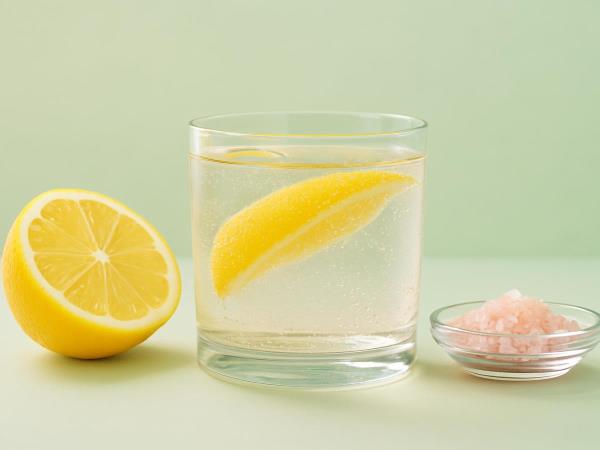
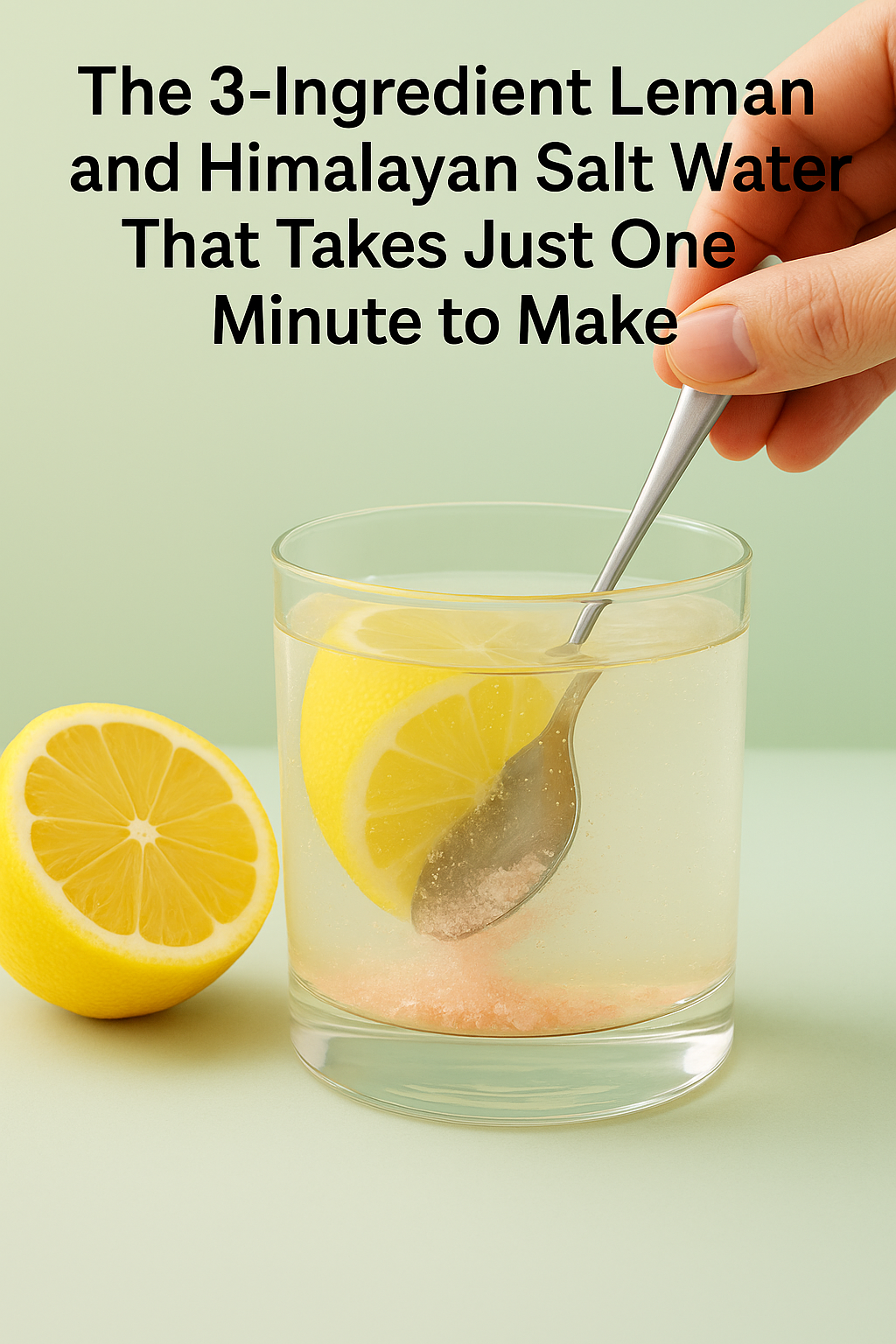


The 3-Ingredient Lemon and Himalayan Salt Water That Takes Just One Minute to Make
expert, nutritionist
It starts the way most home remedies do: with a headache pounding behind your eyes and a reluctance to reach for another pill. That was the case for a woman in an online migraine support community who described trying "everything" — dark rooms, ice packs, over-the-counter tablets that barely touched the pain — before a friend suggested something almost embarrassingly simple: warm water, a squeeze of lemon, and a pinch of pink salt. "I honestly didn't expect much," she wrote, "but within twenty minutes the pounding had eased enough that I could function again." Her story is anecdotal, not medical proof, but it's exactly the kind of small, low-risk experiment that has made this drink a quiet favorite in headache and wellness circles.
Headaches — and migraines in particular — are among the most common sources of pain people deal with, yet the usual answer, popping a tablet, doesn't always work well and comes with its own downsides, including the risk of overuse and strain on the kidneys with frequent use. This simple homemade drink won't replace medical treatment, but it's a fast, gentle option worth having in your back pocket, especially at the very first sign of tension building.
Why This Combination May Help
The idea behind this drink isn't folklore alone — it leans on two things researchers keep coming back to when they study headache triggers: hydration and minerals.
Dehydration is one of the most common, and most overlooked, headache triggers. According to the Cleveland Clinic, when your body doesn't get enough fluids, blood volume drops and the brain can briefly shrink, pulling on the sensitive membranes around it — which the body registers as pain. For many people who are prone to migraines, this same fluid-and-electrolyte imbalance can be enough to tip a mild sensitivity into a full-blown attack. Replacing fluids, ideally with a bit of sodium and other minerals to help the water actually absorb, is one of the simplest first steps clinicians recommend.
Magnesium and electrolyte balance are another recurring theme in migraine research. A 2025 review published in the journal Nutrients summarizes decades of case-control studies, observational research, and placebo-controlled trials pointing to a link between magnesium status and migraine frequency, with low magnesium levels associated with changes in nerve excitability and blood vessel behavior that can contribute to attacks — read the full review here: "Magnesium and Migraine" (Nutrients, 2025). Unrefined salts, including Himalayan pink salt, contain trace amounts of magnesium and other minerals alongside sodium, which is part of why mineral-rich waters like this one are often mentioned in that context. For anyone curious about safe magnesium intake from food and supplements, the National Institutes of Health Office of Dietary Supplements publishes detailed, doctor-reviewed guidance.
It's worth being clear-eyed here: this drink is not a proven migraine cure, and it isn't a substitute for diagnosis or treatment from a doctor, especially if headaches are frequent, severe, or new. What it can be is a fast, low-cost, low-risk step to try alongside good hydration habits — and for many people, simply the ritual of pausing to make it and sip it slowly is itself calming.
Ingredients
- Juice of 1 lemon
- 1 teaspoon Himalayan pink salt
- 200 ml (about ¾ cup) lukewarm water
How to Make It
- Add the Himalayan salt to an empty glass.
- Pour the freshly squeezed lemon juice over the salt.
- Top with the lukewarm water.
- Stir well until the salt has completely dissolved.
Sip it slowly rather than gulping it down. Most people are surprised by how pleasant the flavor is — bright and slightly savory rather than harsh — which is part of why it's become a habit for some rather than a one-off experiment.
A Few Practical Notes
Because this drink adds a meaningful amount of sodium, it's worth checking with a doctor first if you're managing high blood pressure, kidney issues, or are on a sodium-restricted diet. As with any home remedy, individual results vary widely, and persistent or severe headaches deserve a proper medical evaluation rather than self-treatment alone.
Information on this website is for educational purposes only and is not medical advice.
expert, nutritionist
 Would you like to be informed about news on the website?













|

