


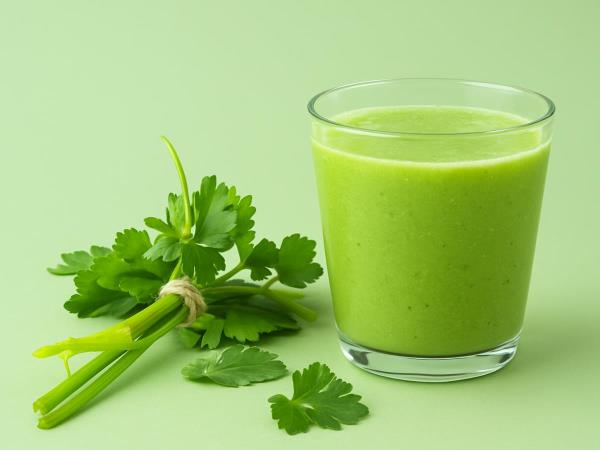

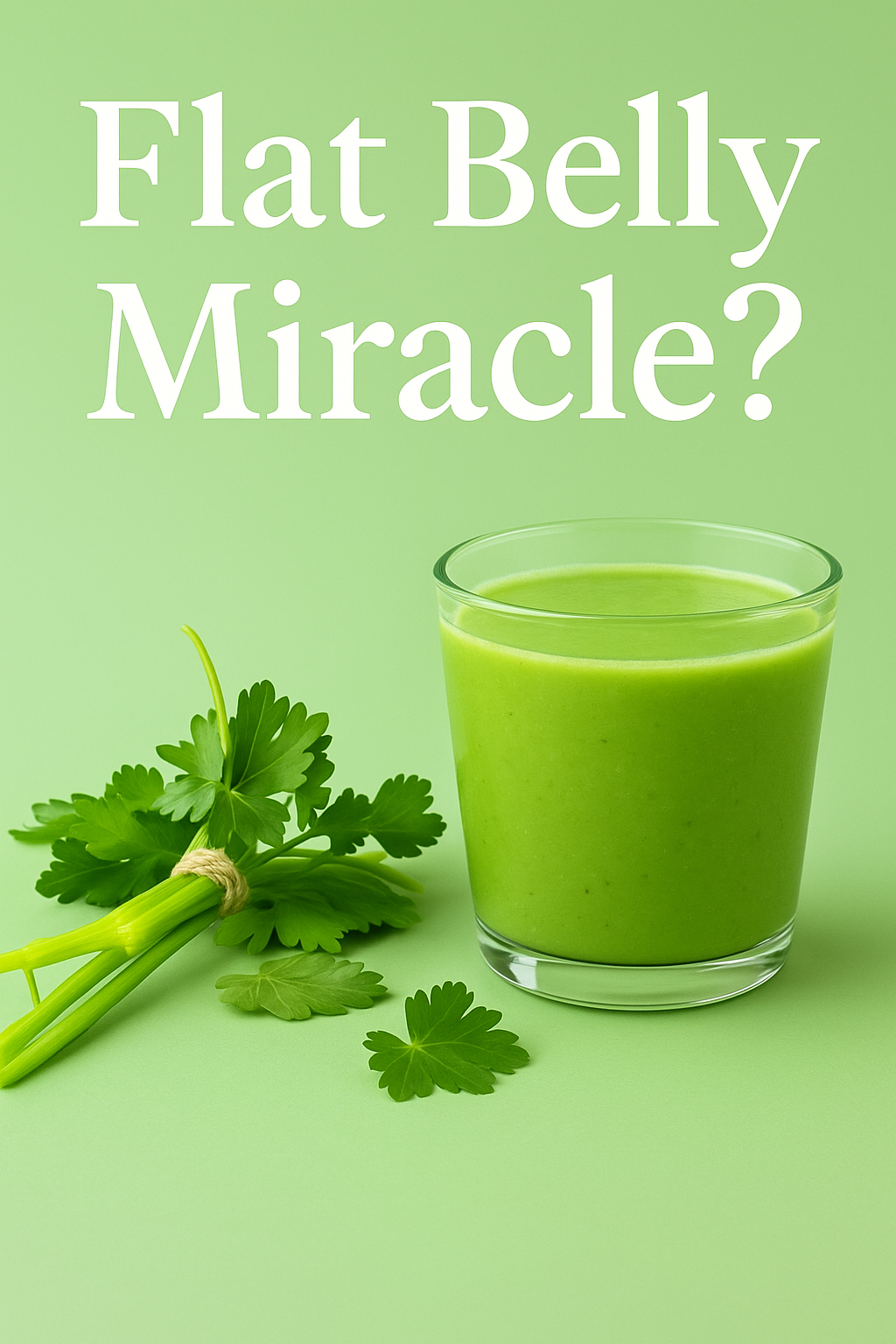


The Three-Ingredient Glass That's Winning Over Flat-Belly Hopefuls: Cucumber, Parsley & Ginger
expert, nutritionist
One glass, three ingredients, and a habit that takes thirty seconds to prepare: that's the pitch behind the cucumber-parsley-ginger drink that keeps circulating in wellness circles. It's cheap, it's crunchy-fresh, and it has quietly become a go-to evening ritual for people who want to feel lighter without turning their diet upside down. Before we get to the recipe, here's the honest picture: no drink melts fat on its own, but this one is a genuinely smart, low-calorie way to hydrate, curb late-night snacking, and support the habits that do move the needle.
"It Became Part of My Evening Wind-Down"
You don't need to be a celebrity to relate to this one. On cooking and wellness forums, home cooks describe blending this drink as part of their evening routine — sipping it half an hour before bed instead of reaching for crackers or a late dessert. One home blogger who grows cucumbers in her family garden described turning a summer glut of cucumbers into a refreshing ginger-lime drink, noting how the ginger's bite balanced nicely against the coolness of the cucumber. That's the appeal in a nutshell: it's less a "diet trick" and more a small, pleasant habit that happens to be very low in calories.
What's Actually in the Glass
This isn't a fad blend of exotic superfoods — it's three humble kitchen staples, each with a real (if modest) nutritional case behind it.
Cucumber: mostly water, and that's the point
Cucumber is roughly 96% water and very low in calories, while still supplying fiber, vitamin K and potassium. That combination of bulk and near-zero calories is exactly why nutritionists often mention cucumber when people are trying to eat lighter — it fills space and supports hydration without much of an energy cost. Its water content, drawn largely from vegetables like this, has also been linked to better overall hydration status in a study of schoolchildren, which is a good reminder that "eating your water" through produce is a legitimate strategy, not just a wellness slogan.
Parsley: more than a garnish
Parsley is packed with antioxidant compounds, and it has a long folk history as a mild diuretic — something modern research is starting to take seriously. A review on the plant's kidney-related effects noted antioxidant, anti-inflammatory and diuretic properties, with animal studies showing reduced oxidative stress and improved markers of kidney function, though the same review is careful to point out that robust human trials are still limited. Older laboratory research comparing common diuretic herbs similarly found that, among the plants tested, parsley extract produced the strongest and longest-lasting diuretic effect while also showing high antioxidant capacity. In plain terms: parsley may help your body manage fluid balance and reduce that "puffy" feeling, which is likely why so many people associate it with a flatter-feeling stomach — even though this is water balance, not fat loss.
Ginger: a gentle metabolic nudge
Ginger is the ingredient with the most direct research behind a weight-related effect, though "direct" still means modest. A small clinical study published in the journal Metabolism found that a hot ginger beverage slightly increased the thermic effect of a meal and helped participants feel fuller, without significantly affecting blood glucose, insulin or inflammatory markers. A larger systematic review and meta-analysis pooling 14 randomized controlled trials went a step further, reporting that ginger supplementation was associated with statistically significant, though modest, reductions in body weight and waist-to-hip ratio, alongside improved fasting glucose and insulin resistance. The key word throughout this research is "modest" — ginger is a supporting player, not a solo act, and most of these studies used concentrated ginger supplements rather than a splash of fresh root in a glass of juice.
The Recipe
Ingredients (serves 1):
- 2 tablespoons grated fresh ginger (or ground ginger as a substitute)
- 1 medium cucumber
- 1/2 cup cold water
- 3 sprigs fresh parsley
Method:
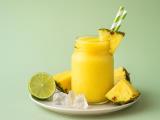
Add all the ingredients to a blender and blend until smooth. If you're trying this for the first time, start with half a glass (about 100ml) on day one to see how your body responds, then work up to a full glass on the following days. Many people prefer to drink it about thirty minutes before bed, both as a light, low-calorie way to end the day and as a calming, low-effort ritual that replaces late-night snacking.
What This Drink Can — and Can't — Do
Let's be clear about the limits, because that's where a lot of viral "detox drink" claims fall apart. This is a low-calorie, nutrient-containing beverage with mild diuretic and digestive-support properties from parsley, gentle metabolic support from ginger, and excellent hydration from cucumber. It is not a fat-burning potion, and no single ingredient in it has been shown to "target" belly fat specifically. Any feeling of a flatter stomach the next morning is far more likely to come from reduced water retention and a lighter evening meal than from actual fat loss.
The most useful way to think about it: this drink can support a broader effort to eat and drink more mindfully, but the National Institutes of Health's Center for Complementary and Integrative Health and mainstream nutrition guidance are consistent on one point — no single food or drink replaces a balanced diet and regular movement.
The Real Key: What You Do Around the Glass
As the original tip behind this drink rightly points out, the glass itself is only half the story. On the road to a flatter-feeling belly, don't skip regular daily activity — that's where the real, lasting results come from. A daily walk, some strength training, and consistent sleep will do far more for your waistline than any single beverage, however fresh and green it looks in the glass. Treat this drink as a pleasant, low-calorie companion to those habits, not a substitute for them.
Information on this website is for educational purposes only and is not medical advice.
expert, nutritionist
 Would you like to be informed about news on the website?









|

