



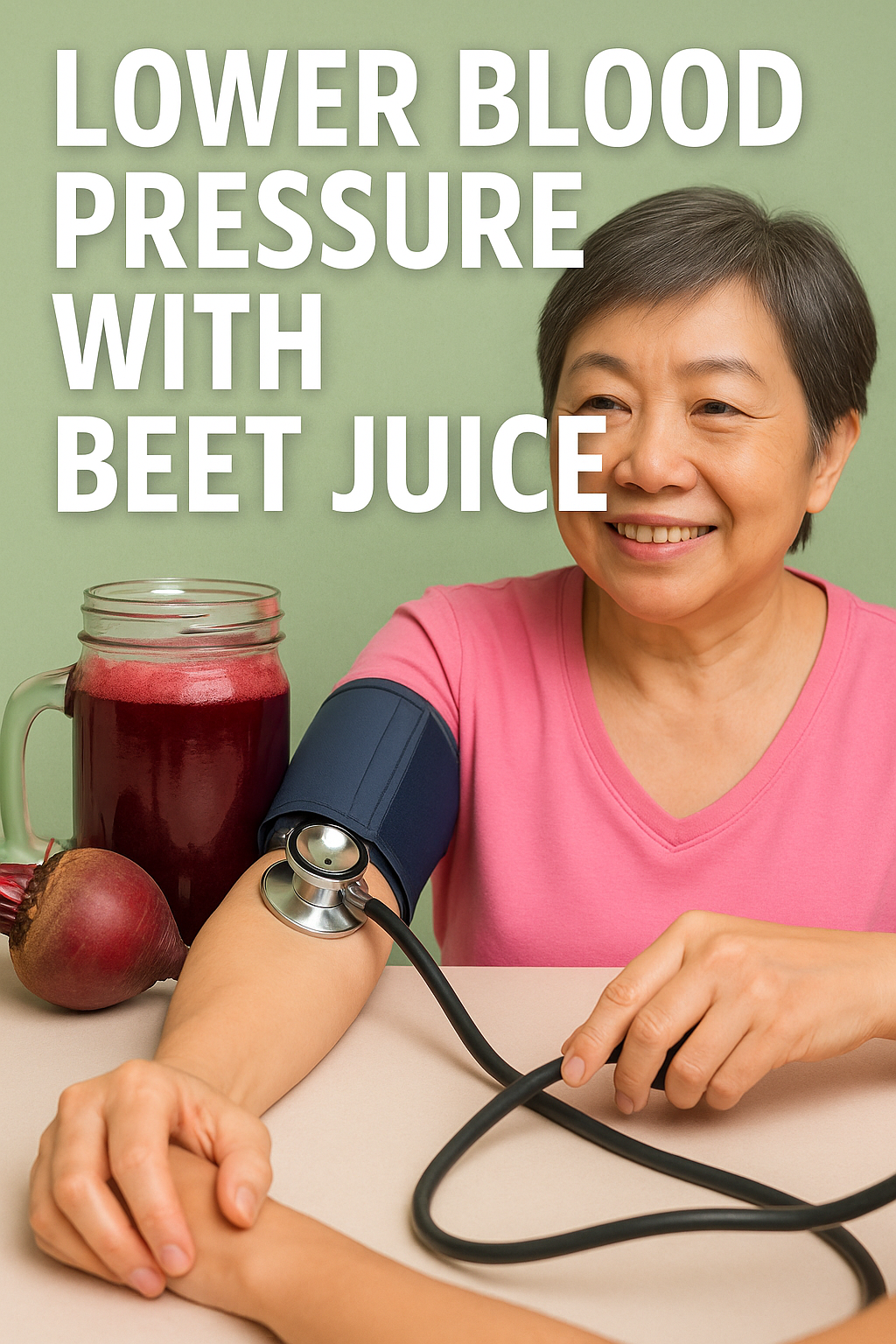


When Beetroot Becomes a Home Remedy: The Ancient Combination Science Is Finally Taking Seriously
expert, nutritionist
Every three seconds, somewhere in the world, a person dies from complications linked to high blood pressure. According to the World Health Organization, an estimated 1.28 billion adults worldwide live with hypertension, and nearly half of them have no idea they have it. That's exactly why doctors call it the "silent killer" — it rarely causes pain or obvious symptoms, yet quietly wears down the heart, blood vessels, kidneys, and liver year after year.
One reader who shared her story in a health forum described how her mother, in her sixties and recently diagnosed with borderline high blood pressure, started drinking a small glass of homemade beetroot and honey juice every morning alongside her prescribed medication. "It became part of her routine, almost like a ritual," she wrote. "Whether it was the drink, the walks we started taking together, or simply paying more attention to her health, her numbers slowly improved over the following months." Stories like this are common — and they're part of why scientists have become genuinely curious about beetroot's effects on the cardiovascular system.
An Old Remedy Meets Modern Science
Beetroot and honey have been paired as a folk tonic since antiquity, when both were considered near-universal remedies for a wide range of ailments. For centuries this combination was passed down as home wisdom, with no scientific explanation behind it. That changed over the past two decades, as researchers discovered that beetroot is unusually rich in dietary nitrates, compounds the body converts into nitric oxide — a molecule that helps blood vessels relax and widen.
A number of clinical trials have since examined this effect directly. A double-blind, placebo-controlled crossover study published in Frontiers in Physiology found that nitrate-rich beetroot juice measurably lowered aortic systolic blood pressure within 30 minutes compared to a nitrate-free placebo. Similarly, a randomized crossover study in the journal Nutrients observed a drop in systolic, diastolic, and mean arterial pressure a few hours after older adults consumed nitrate-rich beetroot juice.
Larger reviews point the same direction. A systematic review and meta-analysis in the Journal of Nutrition pooling sixteen clinical trials associated beetroot and inorganic nitrate intake with an average systolic blood pressure reduction of roughly 4.4 mmHg. A more recent meta-analysis focused specifically on patients with arterial hypertension reported similar findings, and even proposed that antioxidant compounds in beetroot — such as flavonoids and betaine — may support blood vessel function through additional pathways beyond nitrate alone.
It's worth being clear about what this research does and doesn't show: these are modest, measurable effects observed under controlled conditions — not a cure, and not a substitute for prescribed blood pressure medication. If you have hypertension or any cardiovascular condition, beetroot juice should only ever be used as a complement to your doctor's guidance, never as a replacement for it.
What About the Honey?
Honey isn't just there for taste. Raw, unprocessed honey contains phenolic acids, flavonoids, and other antioxidant compounds that help the body manage oxidative stress — a factor increasingly linked to cardiovascular strain. A 2025 review in the journal Antioxidants summarizes a growing body of clinical and experimental evidence pointing to honey's role in supporting cardiovascular and metabolic health, alongside its long-documented antimicrobial properties.
Combined, beetroot and honey form a nutrient-dense pairing — but as with any natural remedy, moderation and quality matter more than quantity.
How to Prepare Beetroot and Honey Juice
Choose organically grown beetroot where possible. Conventionally grown beets can carry pesticide residues that concentrate in the juice, which somewhat defeats the purpose of a "natural" remedy.
Ingredients
- 200 g raw honey
- 300 ml fresh raw beetroot juice
Preparation
- Juice raw beetroot fresh, right before use — beetroot juice oxidizes and loses potency quickly. Use a juicer, or blend the beets and strain the pulp through a clean cotton cloth or cheesecloth.
- Stir the honey into the fresh juice until fully combined, then transfer to a sealable glass jar. Stored in the refrigerator, the mixture keeps for several days.
- If the taste feels too sweet, a splash of fresh lemon juice can balance it out.
Suggested Use
A common way to use this tonic is one to two tablespoons on an empty stomach, or a few minutes before meals. For those who prefer a milder version, two teaspoons can be stirred into a glass of lukewarm water with a small pinch of cinnamon.
Many people who use this remedy follow it for about two weeks, then take a break of at least ten days before resuming — allowing the body a rest period rather than continuous daily use.
A note on expectations: individual responses to dietary changes vary widely, and blood pressure is influenced by many factors — sleep, stress, sodium intake, physical activity, and medication among them. Rather than expecting a quick fix, think of beetroot and honey juice as one small, supportive habit within a broader heart-healthy lifestyle. If you monitor your blood pressure, keep track of your readings over several weeks, and always loop in your doctor before making changes if you're on blood pressure medication, since nitrate-rich foods can occasionally interact with certain treatments.
Information on this website is for educational purposes only and is not medical advice.
expert, nutritionist
 Would you like to be informed about news on the website?













|

