





Your Body Runs on Different Fuel Once Autumn Arrives - Here's What Nutritionists Recommend
expert, nutritionist
The moment autumn arrives, so does the wave of sniffles, coughs, and "is it just allergies?" texts in every group chat. That's not a coincidence. Cooler air and shorter days mean the body has to work a little harder, and the immune system loses some of the support it had all summer.
That's why nutritionists and physicians tend to agree on one thing: food rich in vitamins, and supplements when appropriate, is one of the simplest tools available heading into the colder months. The real question is when to start, and how to know whether your plate is actually covering what your body needs.
When a Famous Face Discovers a Deficiency
Vitamin D deficiency doesn't only affect people who rarely see the sun. TV host Wendy Williams stepped away from her long-running talk show in 2018 for what was described as a health hiatus, and later shared that a routine check turned up a severe vitamin D deficiency, something her doctor said was among the most pronounced she'd seen. It's a reminder that busy schedules and indoor routines can leave even highly visible, active people running short on this one nutrient — regardless of climate or lifestyle.
Why Autumn Eating Looks Different
Every season brings its own harvest. Summer means an abundance of fresh fruit and vegetables loaded with vitamin C, vitamin A, and a wide range of minerals. Once autumn sets in, markets fill up instead with pumpkins, carrots, apples, pears, cabbage, and turnips — foods that are naturally dense in nutrients and, historically, exactly what people relied on heading into the cold months.
Nutritionists frame the seasonal shift less as a lifestyle choice and more as a practical adjustment: more humidity, less sunlight, and often more stress. Skipping that adjustment tends to show up first as fatigue and colds, and can compound from there.
What Does the Research Actually Say?
Global nutrition data backs up the seasonal-gap concern. A large phytonutrient study published in the British Journal of Nutrition found that roughly 60% to 87% of adults across surveyed regions fall short of the WHO's recommended five servings of fruit and vegetables a day, meaning a large share of people are already starting the season with less nutritional buffer than they'd like.
The old habit of eating whatever grows locally, in season, still holds up reasonably well as a general principle — though it's one piece of the picture rather than a guarantee against getting sick.
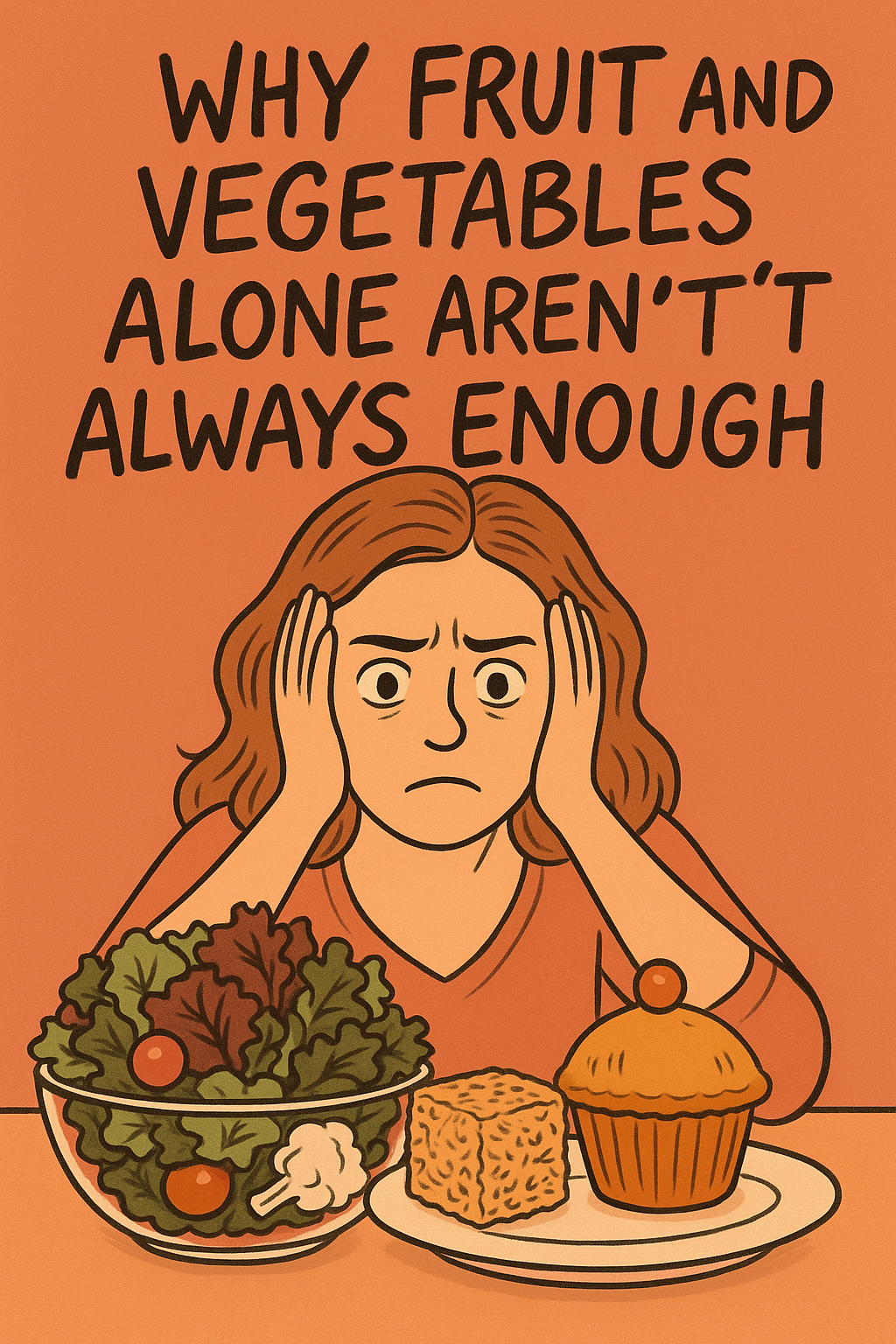
Why Fruit and Vegetables Alone Aren't Always Enough
Seasonal produce is a strong foundation, but it's rarely the whole story. One major factor is stress: autumn brings back-to-school routines and a faster pace at work, and stress has a documented relationship with the body's vitamin C use. Research by psychologist Sheldon Cohen has repeatedly linked chronic psychological stress, alongside low vitamin C intake, to a greater risk of catching respiratory illnesses after virus exposure.
On top of that, shrinking daylight hours mean the skin simply produces less vitamin D. This is one of the more well-documented seasonal nutrient gaps in Europe: a large-scale analysis of over 55,000 Europeans, part of the EU-funded ODIN project and published in a peer-reviewed analysis of vitamin D status across the continent, found that depending on the threshold used, anywhere from roughly 18% to over 40% of people showed low vitamin D levels during the winter months.
So it's not unusual for food alone to fall short — supplements, when used sensibly, tend to work as a support rather than a replacement.
Which Nutrients Actually Matter in Autumn?
Vitamin C tends to get most of the attention, but a few other nutrients pull real weight this time of year.
- Zinc — a mineral the body relies on for normal immune function. It shows up in meat-based broths, particularly chicken and beef. Simmering bones releases zinc, collagen, and calcium into the liquid, which may explain why chicken soup has such a long-standing reputation as a defense against colds — a claim we dug into in more detail on Foodwhisper.
- B vitamins — support nervous system function, may help the body manage stress, and contribute to steady energy levels. Found in whole grains, legumes, and meat.
- Vitamin D — genuinely difficult to get enough of from food alone in autumn and winter. Small amounts appear in oily fish and eggs, but rarely enough on their own, which is why many people also look into foods that may help support the lungs and respiratory system through the season.
- Vitamin C — the best-known cold-season helper, found in sauerkraut, peppers, and apples. A cup of sauerkraut provides a meaningful share of the daily recommended vitamin C intake, alongside probiotics from the fermentation process.
Are Supplements Actually Necessary?
Most nutritionists are careful to say supplements aren't a fix-all. A daily multivitamin won't offset a diet built around fast food and sugar. But for people who already eat a reasonably varied diet, supplements can help close specific gaps — particularly for children, older adults, and anyone under sustained stress.
The clinical evidence for individual nutrients is genuinely encouraging, if more modest than headlines sometimes suggest. A systematic review covering dozens of trials found that regular vitamin C supplementation may shorten cold duration by around 8% in adults, while zinc supplementation may shorten colds by roughly a third, and a separate meta-analysis found zinc supplementation was associated with colds lasting just over two days less on average. That's a meaningful difference, even if it's short of a guarantee against getting sick at all.
Old Habits That Still Hold Up
Alongside the research, it's worth remembering the home remedies that have been passed down for generations.
- Chicken soup — more than just comfort food. The zinc, collagen, and minerals released during slow simmering genuinely appear to support the immune system, a link explored in a 2022 study on the immunomodulatory effects of chicken soup.
- Sauerkraut — a traditional winter vitamin C source in much of Central and Eastern Europe, and still a solid one today.
- Honey and propolis — long used for sore throats and colds; honey contains natural enzymes, and propolis is often credited with mild antibacterial properties, though robust clinical evidence is still limited.
How to Start the Autumn Shift
The most common mistake is waiting until you're already sick. It's easier — and more effective — to start adjusting as summer turns to autumn, so your body has a head start before the first virus of the season shows up. A few simple habits to consider:
- Lean into seasonal produce — pumpkin, apples, cabbage.
- Add a broth or soup, meat- or fish-based, into your weekly routine.
- Include more legumes and whole grains.
- If sunlight is limited where you live, ask a doctor about whether a vitamin D supplement makes sense for you.
- Cut back on sugar and refined carbs, which offer little nutritional support during this stretch.
Autumn as an Opportunity, Not Just a Threat
Autumn gets a reputation as cold-and-flu season, but with a bit of planning, it can just as easily be a reset. Building a thoughtful plate now — rather than reacting once symptoms show up — gives your body a real head start.
Food remains the first line of support, with supplements as a backup where needed. A bowl of chicken soup, some sauerkraut, a few apples, and possibly a vitamin D supplement aren't a guarantee against getting sick, but together they may meaningfully tilt the odds in your favor.
Information on this website is for educational purposes only and is not medical advice.
expert, nutritionist
 Would you like to be informed about news on the website?













|

