


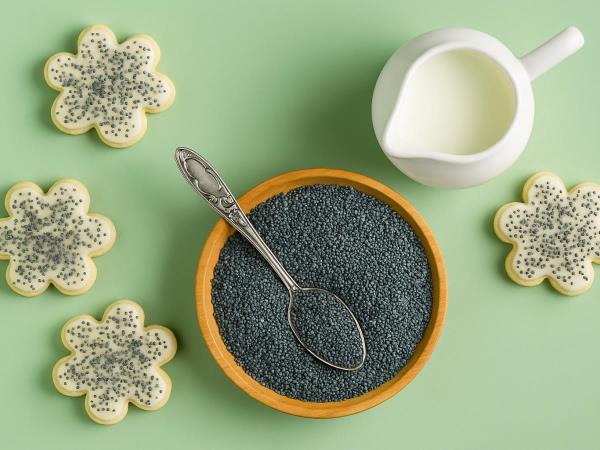


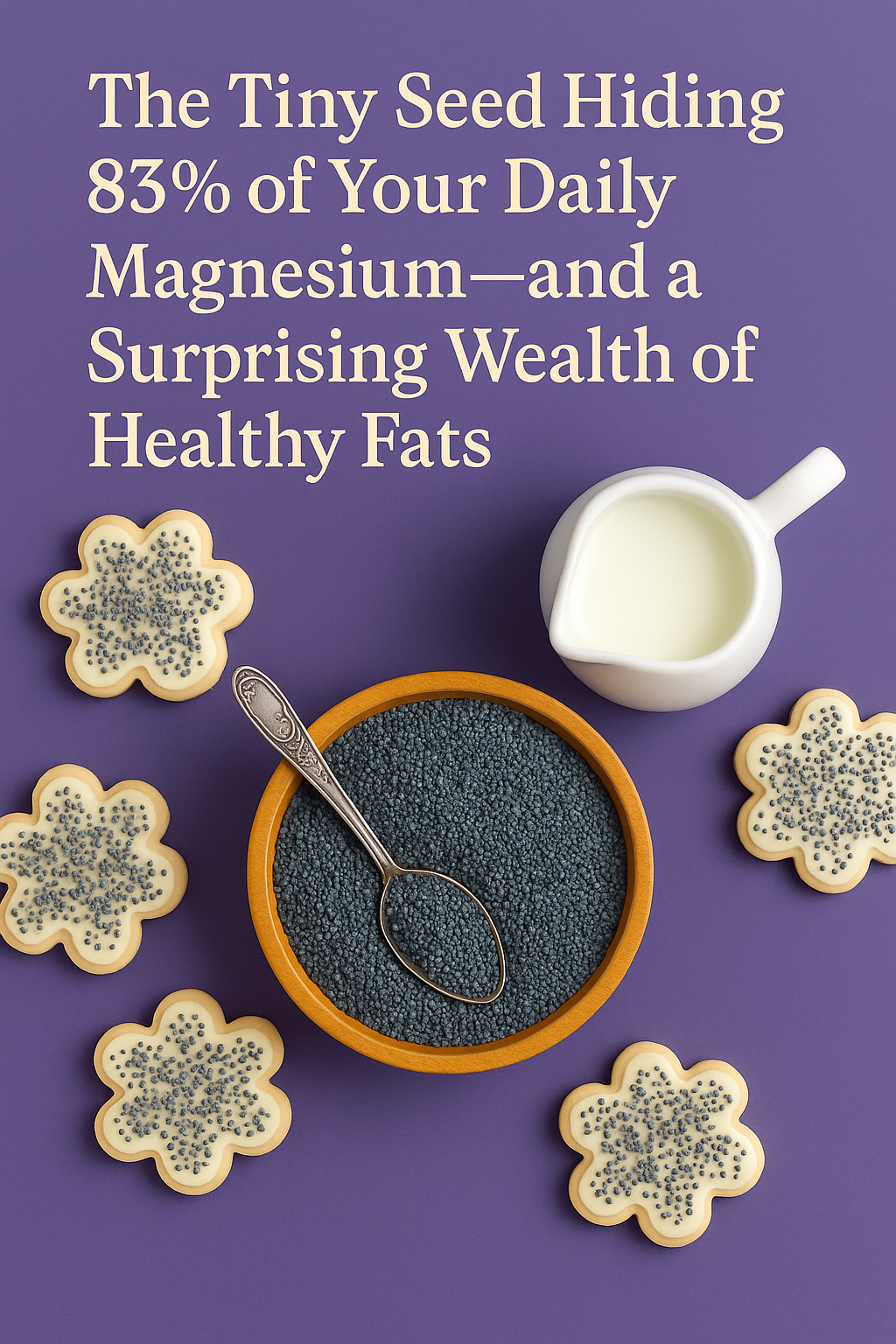

The Tiny Seed Hiding 83% of Your Daily Magnesium — and a Surprising Wealth of Healthy Fats
expert, nutritionist
Here at home, poppy seeds are best known as the flecks inside a sweet roll or the topping on a slice of poppy seed cake. But look at this small, unassuming seed through the eyes of a nutrition expert, and a very different picture emerges. Poppy seeds are a genuinely underrated source of calcium, carbohydrates, and energy — but their real standout feature is a fatty-acid profile that few everyday foods can match.
An acquaintance who had been struggling for months with restless nights and poor sleep once told me that, alongside everything else her doctor had suggested, she'd also been given a simple kitchen-cupboard idea to try: a small spoonful of finely ground poppy seed in water before bed. She was skeptical at first — but after about a week, she said she was falling into a deeper sleep and waking up feeling noticeably more rested. It sounds almost too simple, but once you look at what's actually packed into these tiny seeds, it stops sounding far-fetched.
What's Actually Inside a Poppy Seed?
Poppy seeds are rich in unsaturated fatty acids, dominated by linoleic acid (an omega-6 fat), which according to research published in Scientific Reports can make up roughly 62% of poppy seed oil's fatty-acid profile. The oil also contains around 24% oleic acid (an omega-9 fat), along with traces of alpha-linolenic acid (omega-3). An analysis published in the journal Nutrients notes that both of these fat groups (MUFA and PUFA) are associated with favorable effects on cholesterol levels.
Beyond healthy fats, poppy seeds are notably rich in magnesium (roughly 83% of the Daily Value per 100 g, according to NIH data), calcium, manganese, iron, and phosphorus, plus vitamin B1 (thiamine), which plays a key role in nervous system function. You can read more about calcium's role in heart health and calcium-rich foods on Vemkajjem.si, in Why calcium deficiency is dangerous for your heart and 7 foods rich in calcium that aren't milk.
1. Supporting Heart and Cardiovascular Health
Poppy seeds are high in linoleic acid, an omega-6 fatty acid linked to cardiovascular wellness. According to the American Heart Association, unsaturated fats like those found in poppy seeds may help manage cholesterol levels — supporting a reduction in LDL ("bad") cholesterol while helping maintain healthier HDL ("good") cholesterol. In this way, poppy seeds may offer general support for cardiovascular wellbeing as part of a varied diet. For more on how omega-3s and healthy fats support the heart, see 4 hidden signs of clogged arteries and Can you take omega-3 fatty acids if you have gout? on Vemkajjem.si.
2. Poppy Seeds and the Digestive System
Sluggish digestion and a slow metabolism are common companions of modern life. Poppy seeds are often cited as a food that may support regular digestion, ease occasional stomach discomfort, and offer relief from symptoms associated with constipation or irritable bowel syndrome. They're a pleasant addition to the diet even for people without digestive complaints.
The fiber in poppy seeds works similarly to fiber in other seeds: it helps maintain a healthy gut microbiome and supports regularity. You can read more about the role of fiber in digestion on Vemkajjem.si, in Fiber is the express train to your happiness or Struggling with hard stools?
3. Poppy Seeds for a Calmer Night's Sleep
Finely ground poppy seed dissolved in a glass of water is one of the older folk approaches some people use to support a more relaxed, restful night — and it's an idea occasionally mentioned by doctors as one option among many worth discussing. It's best prepared fresh, since freshly ground seed retains the most aroma and minerals.
Why might it help? Poppy seeds are rich in magnesium, which research compiled by the NIH Office of Dietary Supplements links to healthy nervous system function and sleep quality, along with calcium, which plays a role in regulating nerve signals and healthy muscle function. For more sleep-supporting food ideas, see 5 foods that can help you sleep better on Vemkajjem.si.
4. Poppy Seeds During Pregnancy and Breastfeeding
Poppy seeds' calcium content and healthy carbohydrates are a big part of why they're sometimes suggested as a beneficial addition for pregnant and breastfeeding women — calcium supports milk quality and a baby's development. As always, it's best to check with your doctor or midwife before adding anything new to your diet during pregnancy.
5. Anti-Inflammatory Properties and Respiratory Comfort
Poppy seeds are sometimes noted for mild anti-inflammatory properties, which may help ease occasional respiratory discomfort. Even half a teaspoon in the morning is generally considered enough to gently support this. Poppy seed oil is also rich in monounsaturated fats which, according to Healthline, have antioxidant properties that may contribute to general immune resilience.
Poppy seeds also contain small amounts of alkaloids that may have a mildly calming effect on feelings of stress. It's worth stressing here: this article is for general informational purposes only and is not a substitute for medical advice. Please consult your doctor for any serious health concerns.
How Much Poppy Seed Should You Eat, and How?
Nutrition experts typically suggest 1–2 tablespoons of poppy seed per day as a reasonable amount to enjoy its benefits without overdoing it. Add poppy seeds to yogurt, oatmeal, smoothies, baked goods, or soups. Poppy seed oil works well as a salad dressing. For sleep support, a teaspoon of freshly ground poppy seed dissolved in a glass of warm water is the traditional preparation.
Nutritionist's tip: Soak poppy seeds in water or a plant-based drink overnight before eating them — this reduces their phytic acid content, which can otherwise interfere with calcium and iron absorption. Soaked seeds are used more efficiently by the body, a point also supported by the analysis published in Nutrients.
Worth Comparing: Other Seeds Are Surprisingly Powerful Too
Poppy seed isn't the only seed with impressive nutritional credentials. On Vemkajjem.si, you can read about what pumpkin seeds do for the body, or why natural alternatives to vitamin tablets are often a better choice than capsules. The common thread running through all of these foods: nature is frequently a step ahead of the pharmacy.
Information on this website is for educational purposes only and is not medical advice.
expert, nutritionist
 Would you like to be informed about news on the website?












|

