




Nettle, Apple, Beet, and Broccoli in One Glass: What the Science Actually Says
expert, nutritionist
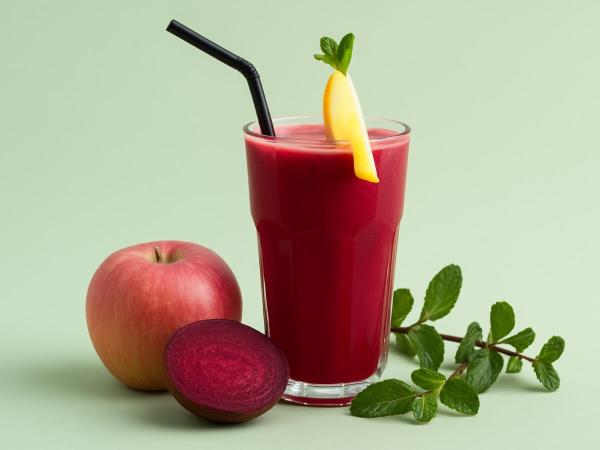
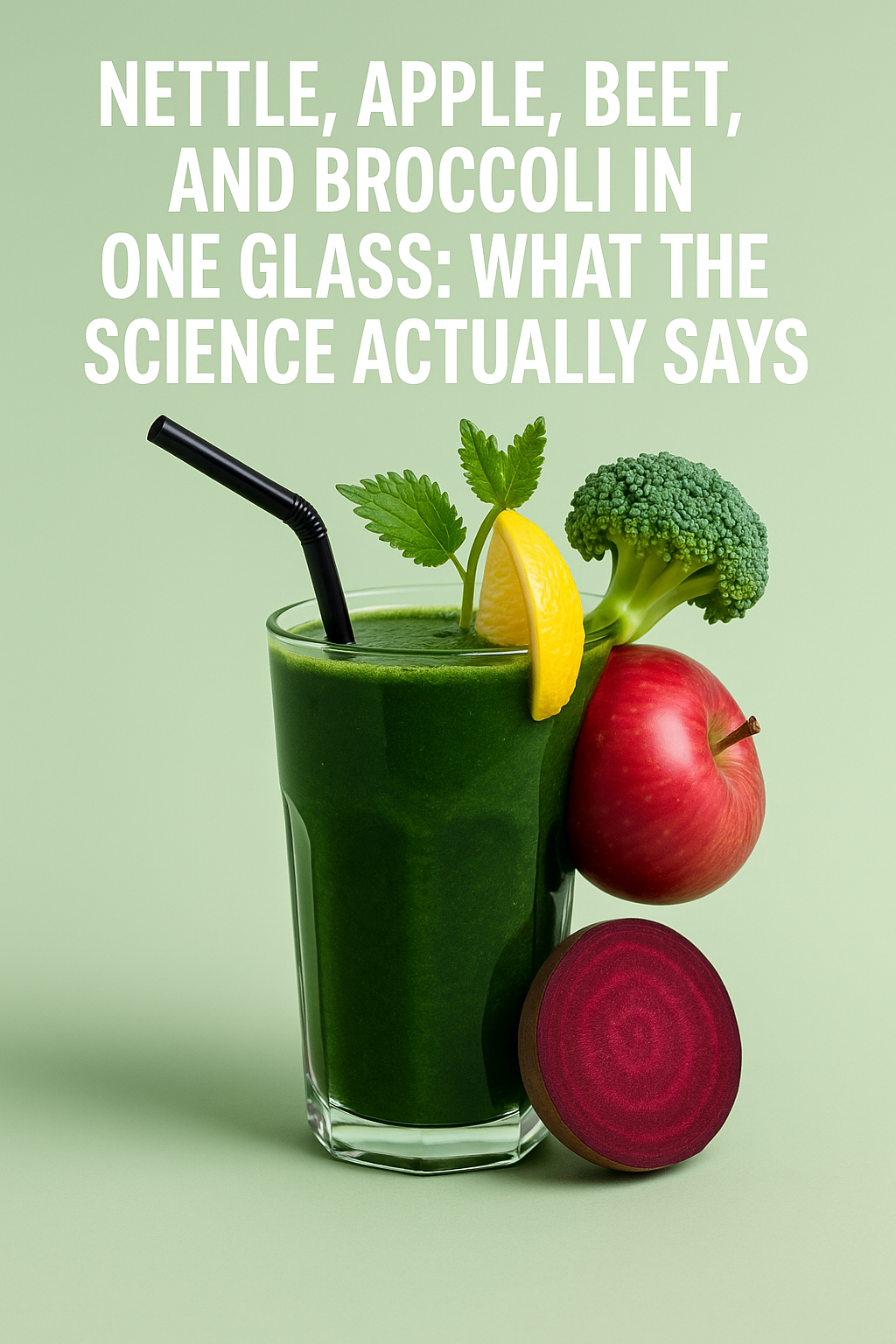
Picture a glass of dark green liquid that seems to hold the entire strength of a spring meadow inside it: stinging nettle, the plant most people still only handle wearing gloves at the edge of the garden, blended with the sweetness of apple, the earthy depth of red beet, and the freshness of broccoli stalk. It sounds like an unlikely pairing, but it's the kind of combination that home cooks were passing down long before the word "smoothie" existed.
Celebrity chef Jamie Oliver is one well-known example of someone who has publicly championed foraged nettles as an underused kitchen ingredient, encouraging home cooks to treat the wild spring plant as a free, nutrient-dense green rather than a garden nuisance. In writing about foraging, he has pointed to nettle's versatility once it's blanched and its sting neutralized — a sentiment that lines up neatly with the drink below, which puts nettle to work alongside three ingredients most of us already keep in the fridge.
Nettle – the spring ally sometimes called "green gold"
The star ingredient of this drink is stinging nettle (Urtica dioica), though the other three ingredients bring plenty of nutritional value of their own. In traditional use, nettle has long been valued for supporting the urinary system and general vitality, and modern research offers at least partial support for some of these traditional uses — while making clear that nettle is not a treatment or a substitute for medical care. A small randomized, placebo-controlled clinical trial published in 2013 in the journal Clinical Laboratory found improved glycemic markers in people with advanced type 2 diabetes after they took a nettle leaf extract alongside their regular treatment, and a 2021 systematic review and meta-analysis of clinical trials summarized that nettle may be associated with favorable changes in blood sugar and lipid levels — though the review's authors were careful to note that findings across individual studies are still inconsistent and that nettle should never replace a doctor-prescribed therapy. Anyone who wants to dig into that meta-analysis can find it on PubMed, and a similar clinical study looking at nettle's effect on blood fats and liver enzymes in people with type 2 diabetes is available here. For a broader, plain-language overview of what is and isn't well established about nettle supplements, WebMD's reference page is a useful starting point.
Nettle is also traditionally credited with gently supporting digestion and general urinary comfort, though — as with the blood sugar research above — these are traditional uses rather than settled medical claims. On Foodwhisper, we've previously written about how easy it is to overlook nettle as an everyday ingredient, and about how it compares with its Indian herbal relative in traditional practice.
If you're curious how to fold all of these traditional and researched benefits into one drinkable form, the recipe below is a good place to start — it stands apart from a typical nettle smoothie by pairing it with three other ingredients that complement it well.
Apple – an everyday source of fiber and plant compounds
The old saying that an apple a day keeps trouble away has a reasonable nutritional basis, according to many nutritionists. Apples are rich in fiber, particularly pectin, which supports healthy digestion and feeds beneficial gut bacteria, and much of their antioxidant content is concentrated in the skin — one more reason to leave it on whenever possible. Healthline's overview of apple pectin goes into more detail on the research behind its digestive and blood-sugar-related effects, and on Foodwhisper we've covered other everyday reasons to make apples part of your daily routine, as well as which fruits are worth knowing about if you're mindful of blood sugar.
Red beet – nitrates, betalains, and fiber
Red beet is rich in betalain, the pigment responsible for its color, which is considered one of the more potent natural antioxidants and has been studied for its potential role in protecting cells from oxidative stress. It also contains betaine, which some researchers associate with liver function support, along with natural dietary nitrates that the body converts into nitric oxide — a compound linked to improved blood flow. The connection between beet, dietary nitrate, and blood pressure has been studied by several research groups, including work summarized by the British Heart Foundation, which funded clinical research into beetroot juice and blood pressure. On Foodwhisper, we've also written more broadly about beetroot's place in a healthy diet and about vegetable-and-fruit combinations built around it.
Broccoli – the stalk counts too
This recipe uses not just the florets but also the broccoli stalk, which many people throw away even though it holds nearly as many nutrients as the rest of the plant. Broccoli is a good source of vitamin C, vitamin K, fiber, and the enzyme myrosinase, which helps convert a compound in the plant into sulforaphane — a substance that has drawn substantial scientific interest in the field of preventive nutrition. It matters how broccoli is cooked: overcooking destroys much of the myrosinase enzyme and reduces sulforaphane formation, a point explained in more depth by Oregon State University's Linus Pauling Institute. We've written on Foodwhisper about the most common mistake people make when cooking broccoli, and about other everyday foods that genuinely support the body's own detoxification processes.
Recipe: Green nettle, apple, beet, and broccoli drink
Ingredients (makes about 2 glasses):
- 3 apples
- 1 very small red beet
- leftover broccoli stalk
- 3 sprigs of nettle (ideally with plenty of young leaves)
- juice of half a lemon
Preparation:
Organic ingredients are recommended if available. Wash everything thoroughly (nettle loses its sting once washed and handled), peel the apples and beet, and cut the broccoli stalk into small pieces. Add all the ingredients to a blender and blend for at least 2 minutes, or until smooth.
One small tip: avoid stirring the finished drink with a metal spoon or storing it in a metal container, as folk tradition holds that the drink loses freshness faster this way.
What to keep in mind
Nettle is generally considered safe, but it's worth being cautious if you take medication for blood sugar, blood pressure, or blood clotting, since interactions are possible — it's a good idea to check with a doctor or pharmacist before drinking it regularly. The same caution applies to red beet, which can lower blood pressure further in some people. This drink is intended as general food-related information and isn't a substitute for medical advice or prescribed treatment.
If you're looking for more homemade green drink and juice ideas, we've also covered a beet-and-carrot blend designed to support the body's natural cleansing processes, and a low-calorie, iron-rich drink worth trying.
Information on this website is for educational purposes only and is not medical advice.
expert, nutritionist
 Would you like to be informed about news on the website?











|

