




The Sweet Science of Healthy Teeth: Can Cocoa Really Help Fight Cavities?
expert, nutritionist
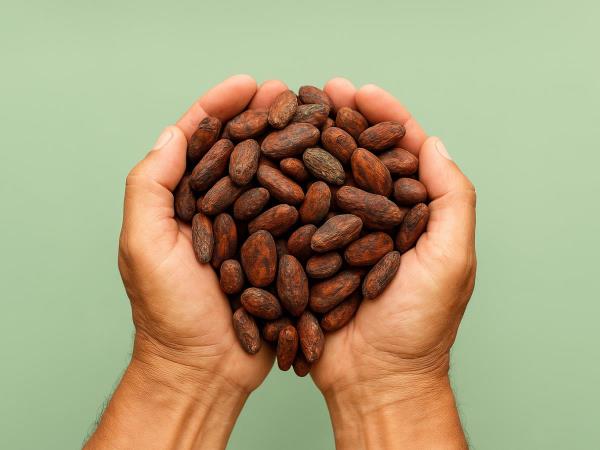
Somewhere between your grandmother's cocoa tin and your dentist's chair, an unlikely conversation has started: could the same bean that gives us chocolate also help protect our teeth? It sounds almost too good to be true — and, as with most things involving chocolate and health, the real story is more nuanced than the headlines suggest. But the growing scientific interest in cocoa's natural compounds is real, and it has already inspired new products on two continents.
One Reader's Unexpected Discovery
A regular reader of ours, a self-described "coffee addict" in her fifties, wrote in to share how she swapped her morning espresso for a cup of unsweetened cocoa after her dentist mentioned some early signs of enamel wear. She wasn't chasing a miracle cure — she simply liked the taste and the calmer energy compared to coffee's jittery buzz. Two dental check-ups later, her dentist noted no new cavities and complimented her improved oral hygiene routine overall. She's quick to add that she also started flossing daily around the same time, and she's careful not to credit cocoa alone. It's a small, personal anecdote rather than proof of anything — but it mirrors a broader shift many of us have noticed: cocoa is elbowing its way onto breakfast tables once dominated by coffee.
Why Everyone Is Suddenly Talking About Cocoa
Cocoa has become especially popular among younger consumers looking for a gentler, less acidic alternative to coffee, and older coffee drinkers are increasingly making the switch as well, often citing digestion or sleep quality. In Japan, this shift has been dramatic enough to show up in sales figures: after domestic media coverage of cocoa's potential health benefits over the summer, several Japanese outlets reported that coffee sales dipped by close to 10 percent in the following weeks, according to The Japan Times, which has covered shifting beverage trends in the country.
The interest isn't just anecdotal marketing buzz, either. Cocoa is rich in flavanols and other polyphenols — the same broad family of plant compounds found in tea, coffee, and red wine — which researchers have studied for decades in connection with cardiovascular health, and, more recently, oral health.
What the Research Actually Shows About Cocoa and Cavities
The idea that cocoa polyphenols might interfere with the bacteria responsible for tooth decay isn't new. A widely cited 2009 review published in the journal Fitoterapia examined how polyphenols from cocoa, coffee, and tea can reduce biofilm formation and acid production by Streptococcus mutans — the bacterium most closely linked to cavities — in laboratory settings (Ferrazzano et al., "Anti-cariogenic effects of polyphenols from plant stimulant beverages," Fitoterapia, 2009).
A later, more comprehensive review in the peer-reviewed journal Molecules expanded on this, summarizing evidence that various plant polyphenols — cocoa included — may help limit the growth of cavity-causing bacteria and their acid output ("Plant Polyphenols and Their Anti-Cariogenic Properties: A Review," Molecules, 2011). It's worth stressing what these researchers themselves stress: most of this evidence comes from laboratory and animal studies rather than large-scale human trials, so it points to a promising area of research rather than a proven, everyday remedy. Nobody is suggesting cocoa can replace brushing, flossing, or regular dental visits.
Japan's Cocoa-Infused Toothpaste Experiment
True to their reputation for turning scientific curiosity into consumer products almost overnight, Japanese oral-care manufacturers have begun launching toothpastes that include cocoa extract alongside standard fluoride and cleaning agents, positioning them as a next-generation option in Japan's large and competitive oral-care market (a market estimated at well over a billion dollars annually). Manufacturers have marketed some of these formulas as significantly more effective than earlier products at preventing plaque buildup.
It's worth being candid here: these are marketing claims from the companies selling the products, not independent clinical findings, and the mix of added flavorings and cleaning agents in any toothpaste makes it difficult to credit cocoa alone for whatever results a product delivers. As always with new personal-care products, time, independent testing, and real-world use by consumers will tell the fuller story.
These new formulas still rely primarily on fluoride, a mineral that the American Dental Association recognizes as safe and effective for preventing tooth decay in both children and adults when used as directed. Fluoride safety is nonetheless a topic some readers like to research further on their own, and we've explored the broader debate in more depth in our companion piece on why we still know so little about the risks of fluoride.
Meanwhile, in the United States: A Different Approach
Across the Pacific, American researchers took cocoa's dental potential in a different direction — not by adding cocoa to fluoride toothpaste, but by trying to find something to replace fluoride altogether. Engineer Arman Sadeghpour, working out of Tulane University, followed up on earlier research into methylated xanthines (a family of compounds that includes caffeine) and found that theobromine — the primary alkaloid in cacao — appeared to help rebuild the mineral crystals that make up tooth enamel, rather than simply protecting existing enamel the way fluoride does (Science News, "Chocolate Constituent Bests Fluoride").
A follow-up peer-reviewed study from the University of Texas Health Science Center at San Antonio, published in the journal Caries Research, measured enamel microhardness after treatment with fluoride versus theobromine and reported that theobromine increased the size of the enamel-forming crystals more than fluoride did under laboratory conditions (DrBicuspid, "Study: Chocolate compound hardens enamel better than fluoride"). This research became the basis for a fluoride-free toothpaste brand that pairs a cocoa-derived active ingredient with a mint flavor, aimed at people who prefer to avoid fluoride in their oral care routine.
As with the Japanese cocoa toothpastes, it's important to frame this fairly: theobromine-based toothpaste is a genuinely interesting area of dental research, but it remains a smaller and newer body of evidence compared to the many decades of clinical data behind fluoride. Anyone considering switching away from fluoride toothpaste, especially for children, should talk to their dentist first rather than relying on marketing claims alone.
So, Does Cocoa Actually Protect Your Teeth?
The honest, unglamorous answer is: possibly, a little, and we need more research to know for sure. Laboratory studies consistently show that cocoa polyphenols can interfere with the bacteria and acid production behind tooth decay, and theobromine shows real promise as an enamel-supporting ingredient. But cocoa is not a substitute for fluoride toothpaste, brushing, flossing, or regular dental visits — and chocolate, with its sugar content, remains a different matter altogether, since sugar is what feeds the very bacteria these polyphenols are being studied to fight.
If you enjoy a morning cup of unsweetened or lightly sweetened cocoa instead of coffee, there's no harm in it for most people, and it may come with some interesting side benefits beyond just taste. Just don't expect it — or a cocoa-infused toothpaste — to replace the basics your dentist has been telling you about for years.
Information on this website is for educational purposes only and is not medical advice.
expert, nutritionist
 Would you like to be informed about news on the website?














|

