





Two Spoonfuls a Day: Why Pumpkin Seed Protein May Be a Quiet Ally for Sleep, Heart Health and Immunity
expert, nutritionist
Picture this: a single spoonful of pale green powder, stirred into a glass of warm milk before bed, quietly setting off a chain reaction inside your body — one that may help you drift off faster, wake up steadier, and get through cold season with a little more resilience. That, in a nutshell, is the promise behind pumpkin seed protein, and it's a promise that a growing number of home cooks and wellness enthusiasts say holds up in practice.
Long before it became a pantry staple, the humble pumpkin seed already had its champions. Home bakers who add a scoop to bread dough, athletes who blend it into post-workout smoothies, and people simply trying to sleep a little better have shared remarkably similar stories across forums and social media: fewer restless nights within a few weeks of adding a spoonful of pumpkin seed protein to their evening drink. These are personal accounts rather than clinical proof, but they line up neatly with what the underlying nutrition science suggests.
What Makes Pumpkin Seed Protein Worth a Second Look
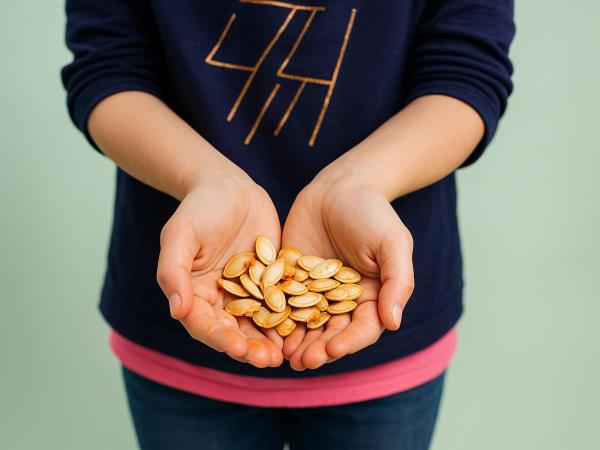
Pumpkin seed protein powder is exactly what it sounds like: pumpkin seeds, pressed and ground into a fine, protein-rich powder. It's an easy way to add plant-based protein and a dense package of minerals to your diet — just two tablespoons stirred into a smoothie, yogurt, milk, or even a clear vegetable broth is enough to make a difference.
The seeds themselves are best known for their healthy fats, but the mineral profile is where things get interesting: pumpkin seeds are a particularly rich source of magnesium and zinc, a combination that appears to work especially well together — one reason pumpkin seed protein is often recommended for older adults and athletes alike. Pumpkin seeds have also been studied for their possible role in supporting heart and prostate health, and some research has looked at whether they may help lower the risk of certain cancers. They're also a good source of antioxidants and iron — worth knowing, too, that a heaping tablespoon of the protein powder comes in at around 50 calories.
Antioxidants, Inflammation and What Animal Studies Show
The antioxidants in pumpkin seeds are thought to help the body manage inflammation and protect cells from free-radical damage. In one laboratory study on rats, regular intake of pumpkin seed extract was linked to a reduction in arthritis symptoms (source) — a promising early signal, though it's worth remembering that animal studies don't always translate directly to people.
Other early-stage research has looked at pumpkin seeds in relation to stomach, breast, lung and colon cancer cells, with some studies also pointing to a possible reduced risk of breast cancer in postmenopausal women who eat pumpkin seeds regularly (source). This is still an evolving area of nutrition science, and pumpkin seeds should be seen as a healthy addition to a balanced diet rather than a treatment for any condition.
A Natural Magnesium Powerhouse
Nutritional analyses consistently rank pumpkin seeds among the best plant-based sources of magnesium — a mineral that's surprisingly easy to fall short on, especially for older adults, according to the National Institutes of Health Office of Dietary Supplements. Magnesium is involved in more than 300 enzyme reactions throughout the body. Low magnesium levels have been associated with higher blood pressure, increased cardiovascular risk, weaker bones, and difficulty regulating blood sugar — some studies have even suggested that regular pumpkin seed consumption may be linked to as much as a 33% lower risk of developing type 2 diabetes (source), though more research is needed before drawing firm conclusions.
The Zinc-Sleep Connection
Zinc plays an important supporting role too. It helps the body convert the amino acid tryptophan into serotonin, which is then converted into melatonin — the hormone that helps regulate your sleep-wake cycle (source). Better-quality sleep, in turn, gives the body more time to repair and recover, which can support a stronger immune system and an overall better sense of well-being.
One Thing to Keep in Mind: Phytic Acid
Like all seeds and nuts, pumpkin seeds contain phytic acid, a compound that can reduce how well the body absorbs certain nutrients. If you want to get the most out of your pumpkin seed protein, it's worth avoiding other high-phytic-acid foods for a couple of hours beforehand — think almonds, beans, Brazil nuts, hazelnuts, lentils, corn, peanuts, peas, rice, sesame, soy, tofu, walnuts, wheat, and bread.
That said, phytic acid isn't all downside: some research suggests it may help protect against kidney stones and could play a role in reducing the risk of colon cancer.
How to Actually Use It
A simple routine many people find helpful: a glass of warm milk (or hot water) with a spoonful of pumpkin seed protein stirred in after dinner, aimed at supporting a more restful night. In the morning, a spoonful mixed into fruit, yogurt or a vegetable smoothie can help provide a steady, plant-based energy boost to start the day.
While it's entirely possible to grind your own pumpkin seeds at home into a rough protein powder, many people find it more convenient — and more consistent in quality — to use a purified protein powder made from pumpkin seeds grown under certified organic farming practices.
Information on this website is for educational purposes only and is not medical advice.
expert, nutritionist
 Would you like to be informed about news on the website?















|

