






Forget the Grill: Why Oven-Roasted Corn Is About to Become Your New Summer Obsession
expert, nutritionist
There's a smell that means summer has arrived before you've even seen a calendar: corn caramelizing over an open flame. One of our readers told us he first tried baking corn in the oven late one autumn, when there wasn't a grill in sight. He was skeptical. But the moment he opened the oven door and that smell of browned butter and sweet corn hit him, he was convinced — the oven is a completely worthy stand-in for the grill.
Ingredients
- 2–4 sweet corn cobs (a variety suited for roasting)
- 2 tablespoons butter
- Sea salt, to taste
Method
Cut each cob into three pieces (or two, if the cobs are short). Halve each piece lengthwise. Arrange the pieces cut-side down on a baking sheet. Brush with butter and season lightly with salt. Place the tray in the oven and switch on the broiler/grill setting. Roast for about 20 minutes, until the corn turns a deep golden brown and develops a nicely charred edge.
[s2]
For More Adventurous Cooks: 3 Delicious Variations
The basic recipe is already excellent on its own — but here's how to take it further:
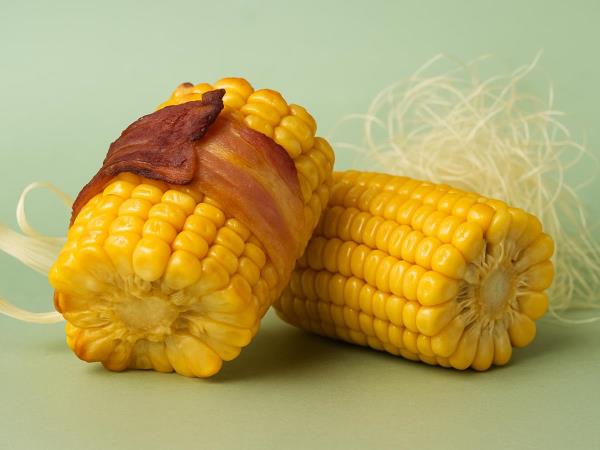
With bacon: Wrap each piece of corn in a strip of bacon and roast for the same amount of time. The bacon crisps up while the corn takes on a rich, smoky flavor. As with any processed meat, it's worth keeping portions occasional rather than a daily habit — the World Health Organization's International Agency for Research on Cancer has flagged regular processed meat consumption as something worth moderating as part of a balanced diet.
With garlic butter: Swap the plain butter for a homemade garlic butter. It's a nod to the kind of simple, garlic-and-olive-oil-forward cooking behind the Mediterranean diet, which nutrition researchers continue to study for its supportive role in everyday heart and metabolic health. Garlic butter gives the corn a deep, aromatic flavor and turns a simple side into something special.
With olive oil and herbs: Instead of butter, brush the corn with extra virgin olive oil and sprinkle with fresh or dried rosemary, thyme, and a pinch of smoked paprika. A lighter variation that's just as flavorful.
This dish is naturally gluten-free, which makes it a suitable option for a wide range of eaters. Corn itself contains no gluten, the protein found in wheat and some other grains that a portion of the population has difficulty digesting.
How to Pick the Right Corn
Choosing good corn makes a real difference to the final result. Look for cobs that are a pale, even yellow — deeper yellow kernels are often a sign of older, less juicy corn. Before buying, it's worth tasting a raw kernel: if the flavor is mild and clean, you've likely picked a good one. It also helps to know that corn's natural sugars begin converting to starch once it's off the plant, especially in warmer storage conditions, which is part of why corn tends to taste sweetest in peak summer, eaten as close to harvest as possible.
[s3]
What Actually Makes Corn Worth Eating?
Corn is more than just a tasty summer side. According to university extension nutrition data, a medium ear of sweet corn provides around 2 grams of dietary fiber along with folate and roughly 275 mg of potassium — a mineral that plays a supportive role in normal heart and muscle function as part of an overall balanced diet. Corn is also naturally low in fat and offers a modest amount of plant protein per serving.
Corn is also one of the relatively few everyday foods that contains meaningful amounts of the plant pigments lutein and zeaxanthin. A review published in the journal Nutrients describes lutein and zeaxanthin as carotenoids that accumulate in the retina and have been studied for a supportive role in long-term eye health, and research published in the Journal of Food Science has specifically measured these carotenoids across different corn products, confirming corn as a consistent dietary source. As always, these findings describe an area of ongoing nutrition research rather than a guarantee of any individual health outcome, and corn is best thought of as one useful piece of an overall varied diet.
Rounding Out Your Summer Table
Oven-roasted corn pairs beautifully as a side dish alongside other roasted vegetables. If you enjoy the technique, it's worth trying it with other produce too — roasting rather than boiling vegetables such as Brussels sprouts is a method we've covered separately, since roasting tends to preserve more of a vegetable's natural texture and flavor compared to boiling. Together, a tray of roasted seasonal vegetables and a plate of caramelized corn make for an easy, crowd-pleasing summer spread.
Information on this website is for educational purposes only and is not medical advice.
expert, nutritionist
 Would you like to be informed about news on the website?













|

