




The 2-Minute Breakfast Swap Nutritionists Keep Coming Back To: Chia, Coconut & Blueberry Blend
expert, nutritionist
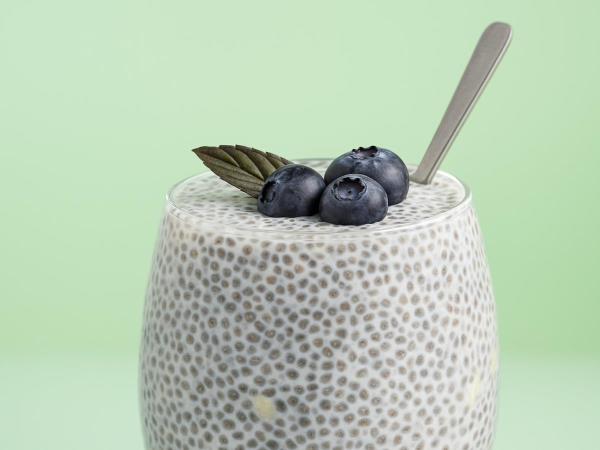
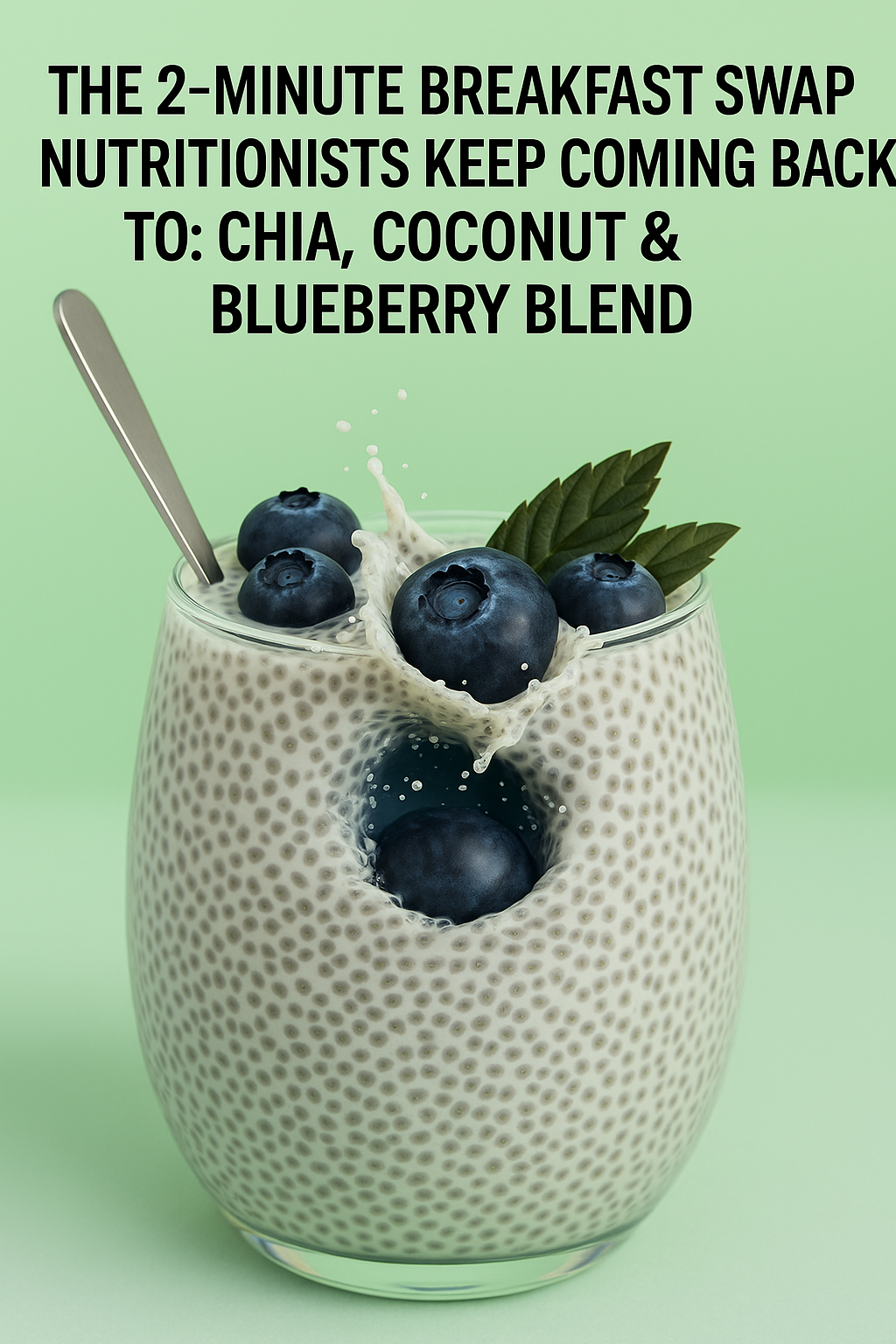
Two tablespoons of tiny black seeds, a splash of coconut milk and a handful of blueberries — blended for two minutes — is turning into one of the simplest ways to avoid an empty-stomach morning. Chia seeds are one of the richest plant sources of omega-3 fatty acids, and blueberries are consistently ranked among the most antioxidant-dense fruits you can buy. Put them in the same glass and you get a drink that takes less time to make than it does to queue for coffee.
Chia pudding has quietly become a celebrity breakfast staple. Arnold Schwarzenegger has shared his own version — chia seeds soaked in Greek yogurt with cinnamon and blueberries — through his Pump Club newsletter, describing it as a fast, high-fiber way to start the day without skipping the protein he relies on for training. It's a good sign that a "health food" trend isn't just marketing — it's simple enough that a 78-year-old former bodybuilder makes it himself, most mornings, in a bowl.
We've also heard from plenty of ordinary readers who've made the switch. A recurring theme in the messages we get: people who used to skip breakfast entirely because they "didn't have time to cook" say this is the first morning habit that's actually stuck, precisely because there's nothing to cook.
Why chia, coconut and blueberries work well together
Chia seeds are an unusually concentrated source of plant protein, omega-3 fatty acids (mainly alpha-linolenic acid, or ALA), fiber, and minerals. According to the U.S. National Institutes of Health's MedlinePlus resource on chia seeds, they're rich in fiber, healthy fats and antioxidants that help protect cells from damage. A detailed nutritional review published in 3 Biotech and hosted on the National Center for Biotechnology Information (NCBI) notes that roughly 65% of the oil in chia seeds is made up of ALA, making it one of the most concentrated plant sources of omega-3 available — and clinical research has found that regular chia consumption can meaningfully raise ALA levels in the blood, as shown in a controlled study of overweight women published via PubMed.
Nutrient-for-nutrient, chia seeds compare favorably with far more expensive "superfoods." Some nutrition sources note that a serving can deliver several times the omega-3 content of an equivalent amount of salmon, along with notable amounts of calcium, iron and magnesium — figures worth treating as ballpark comparisons rather than lab-grade equivalence, since exact ratios vary by source and preparation. If you'd like a deeper breakdown of how to eat chia seeds correctly (a surprising number of people use them the wrong way), we covered that in our piece on Breakfast for more energy before a physically demanding day, which uses a similar chia-and-coconut base.
Blueberries bring a different strength to the glass: they're one of the most antioxidant-rich fruits commonly available, largely thanks to a class of plant pigments called anthocyanins. A University of Florida IFAS Extension nutrition brief describes how the antioxidants in blueberries may help protect cells from the kind of damage linked to chronic disease risk, while a six-month randomized controlled trial published in the American Journal of Clinical Nutrition and archived on PMC/NCBI found modest, measurable improvements in mood and alertness among adults who added blueberries to their daily diet. These are promising associations rather than guarantees, and blueberries are best thought of as one useful piece of an overall healthy pattern of eating rather than a stand-alone cure for anything.
Antioxidants and iron also interact in ways worth knowing about — we go into that in more detail in Too much iron in the blood can also be a problem, which looks at how flavonoid-rich foods like berries fit into iron balance.
Why does skipping breakfast matter in the first place? Research is genuinely mixed on how much breakfast itself affects weight or metabolism — a widely cited analysis in Frontiers in Public Health points out that much of the evidence linking breakfast-skipping to weight gain is observational rather than causal. Where the data is more consistent is on micronutrients: a long-running body of research, including work highlighted by the USDA's Agricultural Research Service, has repeatedly found that people who skip breakfast tend to take in less calcium, magnesium, iron and several vitamins over the course of the day, and rarely make up the difference later. A quick nutrient-dense drink like this one is one practical way to help close that gap on busy mornings.
The recipe
Ingredients (makes 1 serving):
- 2 tablespoons chia seeds
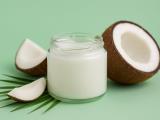
- 200 ml (about ¾ cup) coconut milk
- ½ tablespoon butter (or a plant-based alternative)
- 4 tablespoons blueberries
- A pinch each of cinnamon, ginger and nutmeg, to taste
Preparation:
Chill the coconut milk and blueberries in the refrigerator overnight if possible. Smaller, darker blueberry varieties are often described as more flavorful than larger cultivated types, though both are nutritious choices — use whichever you have on hand.
Soak the chia seeds in water for at least 30 minutes, ideally overnight, using a ratio of about 1 tablespoon of seeds to 3 tablespoons of water. If you're short on time, 10 minutes of soaking is usually enough — or you can skip soaking altogether, but add a little extra water to the blend, since dry chia seeds will otherwise soak up liquid from the drink itself and leave it too thick.
On the spices: using all three — cinnamon, ginger and nutmeg — gives the best flavor, but go easy on each. Ginger has a mild bite, too much cinnamon can turn bitter, and nutmeg is potent in larger amounts, so a light pinch of each is plenty.
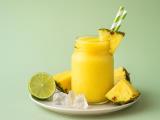
Add all the ingredients to a blender and blend for one to two minutes. Serve chilled, without ice cubes (they dilute the texture). This makes a filling breakfast replacement and a quick way to fit more nutrients into a busy morning.
Information on this website is for educational purposes only and is not medical advice.
expert, nutritionist
 Would you like to be informed about news on the website?









|

