





What If the Tastiest Tomato You'll Eat All Year Is Also the Cheapest?
expert, nutritionist
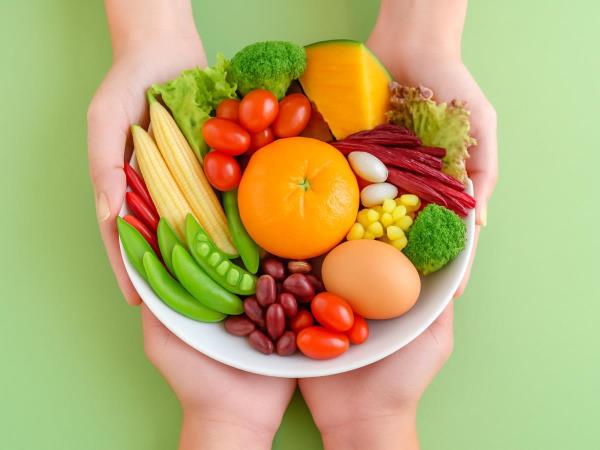
Seasonal produce is typically picked closer to its peak, travels shorter distances, and tends to support local farming communities — small, low-effort swaps that many people find easy to build a healthier plate around. This article is for general information only and isn't medical advice.
Few people have made the case for seasonal eating as visibly as Alice Waters, the American chef who opened Berkeley's Chez Panisse in 1971 on a simple, almost stubborn idea: build the menu entirely around whatever was fresh, local, and in season that week. Decades later, that philosophy has helped shape how home cooks everywhere think about a farmers' market tomato versus a supermarket one shipped from halfway around the world — and the science on freshness and nutrient content backs up much of what she long argued from the kitchen.
Why Seasonal Food Tends to Win on Nutrition
One of the clearest advantages of eating fruits and vegetables in season is that they're usually consumed close to the point of harvest — and that timing matters more than people realize. Vitamin C, in particular, is notoriously fragile once produce is picked. Research from Penn State University found that spinach stored at refrigerator temperature lost a substantial share of its folate and carotenoid content within just a week, with losses accelerating the warmer the storage temperature (Penn State, via ScienceDaily). Separate nutrition-science work compiled by UC Davis on maximizing the nutritional value of fruits and vegetables reaches a similar conclusion: minimal time between harvest and plate generally means more vitamin C retained, not less.
Flavor tells a similar story. A strawberry picked ripe from a local field simply tastes different from one picked underripe for a long truck ride — which is part of why so many people associate the smell of a summer market with childhood memories of fruit that "actually tasted like something."
If you want a deeper dive into pairing produce for better nutrient uptake — vitamin C alongside iron-rich foods, for instance — we've written more about that here: Foods That Improve Nutrient Absorption.
Supporting Farmers and the Environment
Choosing seasonal, locally grown produce also tends to shrink your food's environmental footprint. Transport mode matters enormously here: analysis from Our World in Data shows that moving food by air emits roughly 50 times more greenhouse gas per tonne-kilometer than moving it by sea, which is why out-of-season, air-freighted fruit can carry a surprisingly heavy carbon cost compared with produce grown a short drive away (Our World in Data). The European Environment Agency tracks these transport-related emissions across the EU in more detail on its greenhouse gas emissions from transport indicator.
There's also a pesticide angle worth knowing about, though it's more nuanced than "local equals fewer chemicals." EFSA's own monitoring data comparing organic and conventionally grown food found that around 44% of conventional samples contained quantifiable pesticide residues, compared with roughly 6.5% of organic samples (EFSA Supporting Publications, 2018) — a useful reminder that farming method, not just distance traveled, plays a real role in what ends up on your plate. EFSA's most recent annual pesticide report, reassuringly, still found that the vast majority of EU food samples fall within legal safety limits (EFSA, 2024 report).
And then there are the farmers themselves. According to Eurostat, the EU's agricultural sector generated over €530 billion in output in recent years, with vegetables and horticultural products alone contributing tens of billions of euros to that total. Behind those figures are family farms across Europe — Slovenia included — competing against cheaper imports. Buying what's in season locally is one of the more direct ways shoppers can support that sector staying viable.
For more on how freezing affects seasonal produce you can't finish in time, see: When Vegetables Become a Meal: What Is Salad Missing to Really Fill You Up, which touches on stretching vegetables further in everyday cooking.
How Seasonal Eating May Support You Through Summer
Folk wisdom has long held that nature provides what the body needs, season by season — and while that's more of a helpful pattern than a scientific law, there's something to it in summer. Heat and sun increase the body's need for fluids, and several of the season's signature crops happen to be excellent water sources.
Watermelon is roughly 90% water and is also one of the richest natural sources of lycopene, the red pigment linked in research to antioxidant activity (EXCLI Journal review, 2014). Tomatoes are another notable lycopene source; a study by German researchers at the Leibniz Research Institute for Environmental Medicine found that regular dietary intake of lycopene-rich tomato extract was associated with measurably better skin protection against UV-induced damage over a 12-week period (Groten et al., Skin Pharmacology and Physiology, 2019) — though it's worth being clear that this is a modest, supportive effect studied alongside sunscreen, not a replacement for it.
Strawberries are another summer standout: a single cup provides well over 100% of the recommended daily vitamin C intake for a young child, and a healthy share of it for adults too, alongside fiber and folate (University of Florida IFAS Extension).
Variety Is a Quiet Superpower
One of the most underrated benefits of eating seasonally is the variety it forces into your diet almost by accident. Cherries in June, peaches in July, watermelon in August, grapes in September — your body ends up sampling a rotating cast of nutrients rather than the same handful of items year-round.
That variety may matter more than most people assume. The American Gut Project, a large citizen-science initiative from researchers at UC San Diego, found that people who ate more than 30 different types of plants per week had meaningfully more diverse gut microbiomes than those eating 10 or fewer — diversity that's associated with digestive and immune health (UC San Diego / mSystems, 2018). Letting the seasons dictate your shopping list is one of the easier ways to rack up that variety without really trying.
Hydration: An Underrated Job for Fruit and Vegetables
Summer heat pushes the body to lose water and electrolytes faster than usual, and several in-season vegetables are quietly built for the job. Cucumber is about 95–96% water and very low in calories, making it an easy, refreshing way to add fluid to a meal (Healthline). Plums bring fiber alongside their water content, and melons add potassium, which supports normal fluid balance and heart function.
The Season's Most Popular Picks
- Strawberries (May–July): rich in vitamin C and fiber.
- Cherries (June–July): a source of antioxidants.
- Watermelon (June–August): excellent hydration, plus lycopene.
- Tomatoes (June–September): lycopene, linked to some heart and skin benefits.
- Peaches (July–September): natural sweetness with fiber.
- Peppers (May–September): very high in vitamin C.
- Zucchini (May–September): low-calorie and versatile.
- Raspberries (June–August): strong antioxidant content.
- Cabbage (summer and autumn): rich in vitamins K and C.
Three Simple Wins
Put plainly, eating seasonally tends to do three things at once:
- It's often gentler on your grocery budget, since abundant, in-season produce is typically priced lower than out-of-season imports.
- It gives your body a wider, fresher range of nutrients.
- It supports local farms and reduces the environmental cost of long-distance food transport.
Our grandparents had a simple rule of thumb: eat what's growing right now. In an era when almost anything is available year-round, that advice can sound almost quaint — but look closely and it still holds up as a genuinely practical path to better everyday eating and a lighter grocery bill.
Let Summer Be the Season You Eat With Nature
Seasonal fruits and vegetables aren't just a trend — they reflect a long-standing, common-sense practice that modern nutrition science continues to support in broad strokes. Choosing what's growing here and now tends to mean fresher food, a smaller environmental footprint, and a bit more support for the farmers who grow it.
Next time you're at the market weighing strawberries, tomatoes, or watermelon, it's worth remembering: this is food working with your body's needs, not against them — nature, doing what it does best.
Information on this website is for educational purposes only and is not medical advice.
expert, nutritionist
 Would you like to be informed about news on the website?













|

