





Why Your Legs Feel Like Lead by Evening — And the Free Fixes That Actually Work
expert, nutritionist
By 9 p.m., a nurse coming off a twelve-hour shift can barely feel her own feet. She's not alone. Ask anyone who spends their day on a factory floor, behind a checkout counter, or hunched at a desk, and you'll hear the same complaint: legs that feel swollen, heavy, and strangely far away by the time they get home. No fancy massage device promises the kind of relief that a few minutes of the right, low-effort habit can deliver — and most of them cost nothing.
Why Do Legs Get So Heavy?
Heavy legs are mostly a plumbing problem. Blood and fluid tend to pool in the lower body over the course of the day. Sit too long, and circulation slows. Stand too long, and the veins in your legs are under constant pressure working against gravity. Add tight shoes, too little movement, and not enough water, and by evening your legs are struggling to keep up.
Standing or sitting for extended periods is a well-documented driver of leg fatigue, swelling, and general discomfort, according to vein and circulation specialists who see it constantly in nurses, retail staff, and office workers alike (Restore Foot & Ankle Specialists). Physical inactivity plays a broader role too: the World Health Organization estimates that as many as 5 million deaths a year worldwide could be prevented if people were simply more physically active (WHO, Physical Activity). Occasional heavy or tired legs are common and usually not a sign of anything serious — but as always, if the feeling is severe, one-sided, or doesn't ease with rest, it's worth mentioning to a doctor.
The Fastest Trick: Elevate Your Legs Above Your Heart
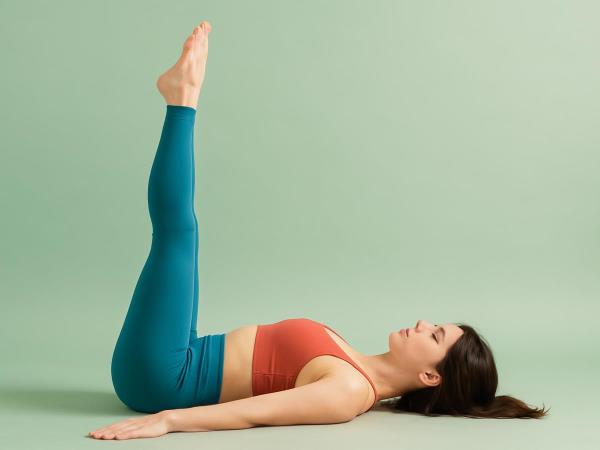
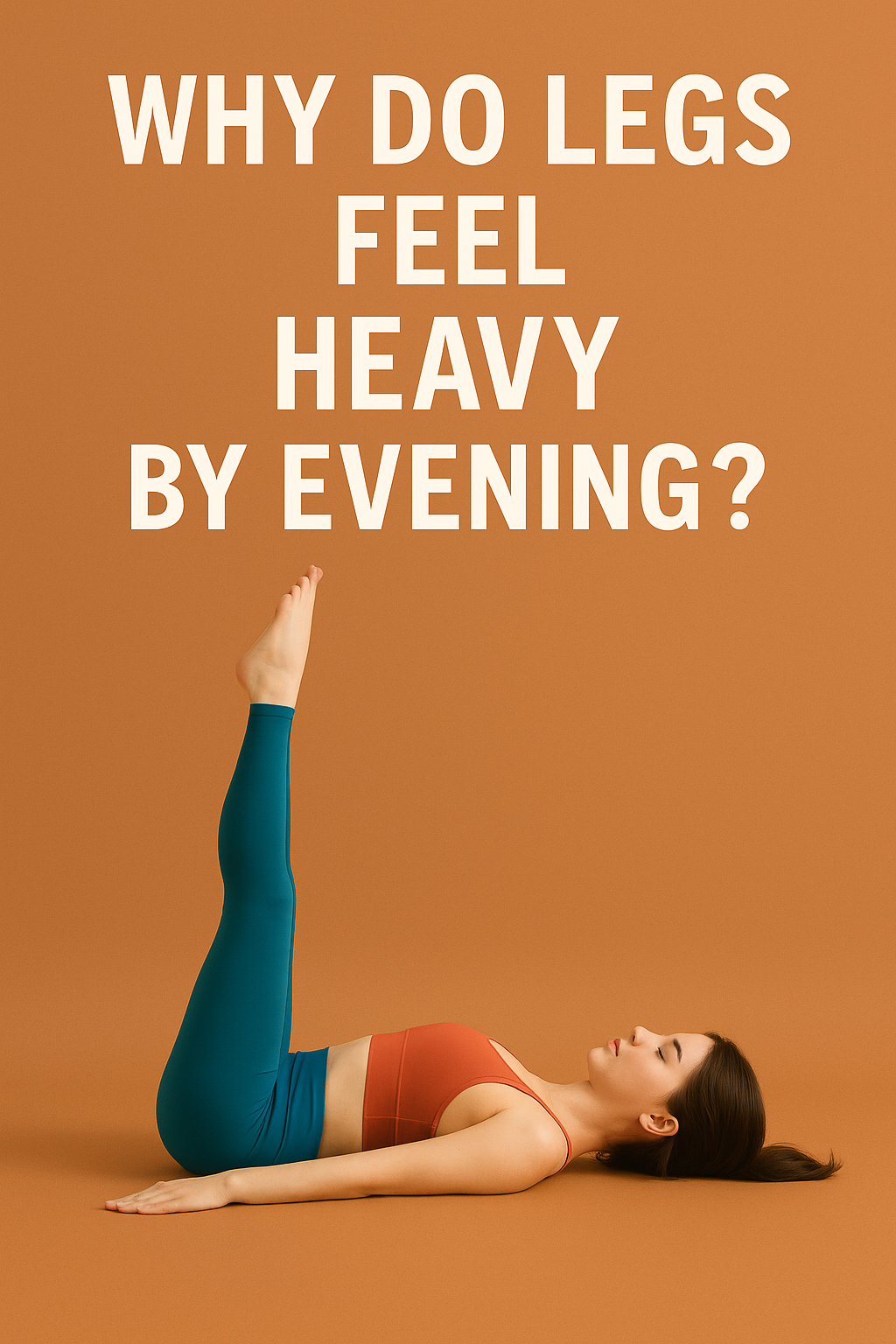
Nurses, flight attendants, and anyone else who spends most of the day upright often swear by the same simple move: lying down and propping the legs up a wall. Sit close to the wall, lie back, and let your legs rest vertically against it. A perfect 90-degree angle isn't necessary — the key is simply getting your feet higher than your heart.
Elevating the legs helps venous blood and excess fluid drain back toward the heart instead of pooling in the calves and ankles, and it's a technique regularly recommended by vascular specialists for easing everyday swelling (Stanford Health Care; USA Vein Clinics). If lying on the floor isn't comfortable, stack a few pillows on the bed instead — the effect is the same.
The Foot Bath Your Grandmother Swore By: Warm and Cold, Alternating
Many of us remember a grandmother filling a basin of water the moment someone walked in from a long day outside. There's real logic behind it: alternating warm and cold water is a long-used way to encourage blood to move.
The method is simple — 3 minutes in warm water (around 38{-15696}C/100{-15696}F), then 1 minute in cool water (around 15{-15696}C/59{-15696}F), repeated 3–5 times. The theory is that warm water causes blood vessels to widen while cold water makes them contract, creating a gentle pumping effect. It's worth being upfront, though: while contrast bathing is popular and has a long history in physical therapy, the scientific evidence for exactly how well it works is still fairly limited and mostly comes from small studies (contrast bath therapy overview; WebMD). That doesn't mean it isn't worth trying — many people find it genuinely soothing — just don't expect it to be a medically proven cure-all.
If you want to dress it up, a few drops of peppermint essential oil in the cold water adds a cooling, refreshing sensation, while lavender oil in the warm water leans relaxing. No oils on hand? A spoonful of baking soda and the juice of half a lemon work as a simple, inexpensive addition.
Massage: The Secret to Lighter Feet
Once your legs have had a chance to rest, massage can help further. You don't need to be a professional — gentle circular pressure along the soles of the feet and calves is enough. Arnica is commonly used for sore muscles, and comfrey (sometimes nicknamed "boneset" in folk tradition) has long been used topically for aches, though as with any topical herbal remedy, it's worth checking with a pharmacist if you're pregnant, on medication, or have sensitive skin.
No hands free? Roll a tennis ball slowly under each foot instead. It's relaxing, and it also stimulates the many nerve endings that run through the sole of the foot.
Three Minutes of Movement
When your legs feel truly exhausted, you don't need a gym — just a few minutes of simple movement: rising onto your toes and lowering back down (about 15 times), rotating your ankles, and gently stretching your calves. Just a few minutes of this kind of movement is a quick, low-effort way to get blood flowing again after long stretches of stillness, and short movement breaks are a commonly recommended strategy for people who stand or sit for a living (Kane Footwear).
Compression Socks: Not Just for Marathon Runners
Ever wonder why long-distance runners often wear tall, snug socks? They're not a fashion statement — they're graduated compression socks, designed to apply gentle, even pressure that helps stop fluid from settling in the calves.
If you're on your feet — or seated — most of the day, this is one of the better-evidenced options on this list. A controlled study measuring evening leg swelling found that compression stockings significantly reduced fluid buildup compared to no compression at all, with the effect increasing at higher compression levels (study in Dermatologic Surgery, via PubMed), and other reviews cite reductions in swelling of up to roughly 40% in people with chronic venous issues who wear them consistently (overview here). You can wear them at home in the evening too, in front of the TV — your legs will thank you.
Hydration: The Fix From the Inside
It's easy to forget that tired legs aren't purely an external problem — internal hydration plays a role too. When you don't drink enough water during the day, waste products can build up in tissue, adding to that heavy feeling. General guidance from nutrition researchers suggests aiming for somewhere in the range of 9–13 cups of total daily fluids for adults (a bit less for women, a bit more for men), factoring in food as well as drinks (Harvard T.H. Chan School of Public Health).
Magnesium is often mentioned alongside muscle cramps and leg tension, since it plays a role in how muscles contract and relax, and it's found naturally in almonds, sunflower seeds, pumpkin seeds, and spinach. It's worth being honest here, though: clinical evidence on magnesium supplements specifically for leg cramps is genuinely mixed — some smaller trials have shown a benefit, while larger systematic reviews have found no significant effect (American Family Physician review). Getting enough magnesium through food is a sound general health habit either way — just don't expect it to be a guaranteed fix for tired legs on its own.
What Folk Wisdom Got Right
Grandmothers across generations understood that tired legs were often the body's way of asking for balance, not just a sign of a long day's work. Traditional remedies included cabbage-leaf compresses, thought to draw out heat, and baths with sea salt, which does contain minerals that can have a relaxing effect on skin and muscles.
In Japan, a public foot-bathing tradition called ashiyu — soaking the feet in warm water at communal spots — remains a popular part of onsen culture, valued as a simple, sociable way to unwind after a day on your feet.
When Should You See a Doctor?
Home remedies work well for ordinary, end-of-day tiredness. But if you notice persistent swelling, significant pain, heaviness that doesn't ease even after rest, or swelling in only one leg, it's worth having a doctor take a look — these can sometimes point to an underlying circulation issue that's worth ruling out (Mayo Clinic).
The Quick, Cheap Fix Is Already at Home
Next time your legs feel like lead by evening, remember: the answer is closer than you think. Elevating your legs, a warm-cool foot soak, a short massage, a few minutes of movement, compression socks, and enough water are about as simple — and as inexpensive — as it gets.
None of these cost much of anything, and several are genuinely backed by research. It's little wonder so many people are returning to time-tested habits that blend a bit of grandmotherly wisdom with what modern circulation science actually supports.
Information on this website is for educational purposes only and is not medical advice.
expert, nutritionist
 Would you like to be informed about news on the website?










|

