





5 Evening Habits That Quietly Sabotage Weight Loss (Timing Isn't One of Them)
expert, nutritionist
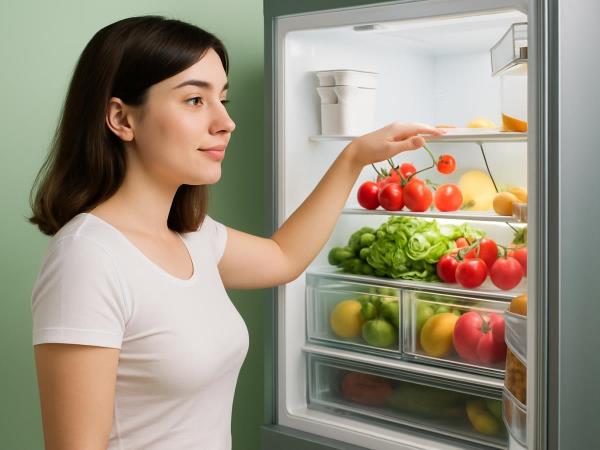
It's 9 p.m. You told yourself dinner would be the last thing you ate today. An hour later you're standing at the open fridge, not really hungry, just... looking. If that sounds familiar, you're in very good company — and, according to nutrition researchers, timing is probably the least useful thing to blame.
One reader who wrote in about this described losing the same three kilograms over and over for two years, always undone by what she called "the 9 p.m. wall." What finally helped wasn't a stricter cutoff time — it was skipping breakfast less often. Small change, disproportionate effect. That pattern shows up again and again in the research below.
Weight loss still comes down to a modest, consistent calorie deficit — not starvation, not banning entire food groups. A small evening snack is completely fine. What tends to work against you are a few specific habits that quietly add up. Here are five of the biggest, and what actually helps with each one.
1. Evening Hunger That Feels Like a Wave You Can't Stop
If you regularly find yourself unable to stop eating at night, the most likely explanation is that you simply didn't eat enough during the day. Several studies point the same direction: people who skip breakfast tend to eat measurably more later in the day. A large U.S. dietary-intake study found that breakfast skippers consumed significantly more energy, carbohydrates, and added sugars at lunch, dinner, and snacks than people who ate breakfast that day.
Registered dietitians commonly point to the same fix: a steady rhythm of protein, fiber, and healthy fat across the day, rather than one or two rushed meals. A mid-afternoon snack like an apple with a spoonful of peanut butter can be enough to keep the evening from turning into a free-for-all.
This isn't just a lab finding, either — it showed up widely during COVID-19 lockdowns, when disrupted routines and irregular meals were linked to increased evening snacking and weight gain in several international surveys.
2. Snacking Straight From the Bag — the Quiet Calorie Leak
Be honest: we've all sat down in front of the TV with a bag of crisps and only realized how much we'd eaten once we hit the bottom. The problem isn't the crisps themselves — it's that eating straight from the package removes any visual sense of how much you've had. Portioning snacks into a small bowl or plate first is a small habit with an outsized payoff.
This isn't just intuition. A controlled study published in the journal Obesity found that simply serving the same snack in a larger container increased intake by around 129%, roughly 199 extra calories — with portion size held completely constant. A separate study on packaged snacks found that a larger package alone added up to 37% more calories eaten in one sitting. Do that most evenings and it adds up fast — a couple of hundred extra calories a night can mean real weight gain over a month.
The fix costs nothing: decide on a portion before you sit down, plate it, and put the rest away. You'll still enjoy the snack — you just won't lose track of how much of it you had.
3. Staying Up Late — More Hours Awake, More Chances to Wander to the Fridge
The longer you're awake, the more opportunities there are for the kitchen to call your name. But there's a real physiological piece here too, not just willpower. In a well-known sleep study from the University of Chicago, participants who were restricted to just a few hours of sleep showed an 18% drop in leptin (the fullness hormone), a 28% rise in ghrelin (the hunger hormone), and roughly a 24% increase in reported hunger — with the strongest cravings aimed at calorie-dense, carb-heavy foods.
In plain terms: less sleep can mean a hungrier, less satisfied you the next day, largely outside of your conscious control.
A simple wind-down routine helps: put the phone away an hour before bed, dim the lights, and have a cup of a caffeine-free tea. This isn't new advice — chamomile, linden, or warm milk with honey have been used as calming evening rituals for generations, and they pair well with the modern research on sleep and appetite.
4. Avoiding Carbs at Dinner — a Trap Dressed Up as Discipline
Plenty of diets treat evening carbohydrates as the enemy. That's an oversimplification. Cutting them out completely at dinner might shave calories off that one meal, but it often sets you up for stronger hunger later — carbohydrates are the primary fuel for your brain and nervous system, and going without them can leave you tired and reaching for a "quick fix," usually something sweet or fried.
A balanced dinner — some carbohydrate, some protein, some fat — tends to hold hunger steady overnight and into the next day better than a carb-free plate does. Practically, that means whole grains rather than refined ones: buckwheat, oats, brown rice, potatoes, or a slice of sourdough. In Slovenia, buckwheat porridge (ajdova kaša) has been a staple for exactly this reason for centuries — it's filling without sitting heavily.
5. Opening the Fridge Out of Boredom, Not Hunger
A lot of evening eating isn't hunger at all — it's boredom, stress, or a need for comfort. This became especially visible during pandemic lockdowns: a scoping review of dietary studies found that boredom was linked to weight gain in a majority of participants across multiple surveys, and consumer research from the same period found boredom increased snack consumption by roughly a third among U.S. consumers.
Nutrition professionals generally recommend keeping easy, healthy defaults on hand: nuts, dried fruit, Greek yogurt, or a simple fruit-and-yogurt parfait. One old, low-effort trick is worth remembering too: before opening the fridge, drink a glass of water or an unsweetened tea first. Thirst and hunger signals can feel very similar, and often what your body actually wants is water, not food.
So What's the Actual Fix?
There's no secret diet and no magic pill here. The path to a leaner body is mostly about eating consistently throughout the day, choosing the right combinations of food, and steering around the five traps above after 5 p.m. You don't need to eat less — you need to eat a little smarter.
Aim for a small, steady calorie deficit rather than a dramatic one. Dinner is allowed. A small evening snack is allowed. The goal is just to notice which of these five habits tends to catch you.
- Regularly hungry by evening? Check whether you're actually eating enough earlier in the day.
- Caught with a bag of chips in hand? Portion it into a bowl first.
- Staying up late? Ask whether you need a snack — or just sleep.
- Avoiding carbs at night? Remember they're fuel for your brain, not the enemy.
- Fighting boredom? Reach for water, tea, or a healthy default before the fridge.
The Old-Fashioned Approach Still Holds Up
It's worth coming back to basics here. Previous generations didn't track calories or use fitness apps, yet many ate in a more balanced way than a lot of people do today — regular meals, plenty of water, a cup of tea to close out the evening, and earlier bedtimes. For context, average daily calorie intake in many developed countries has risen by several hundred calories over the past few decades, alongside a measurable decline in average sleep duration — a combination that lines up closely with the habits described above.
Put the old habits and the newer research together and the message is simple: don't fear dinner — fear the habits around it. And you can start today, with one glass of water, one apple with a handful of nuts instead of a bag of chips, and a few quiet minutes before bed.
Information on this website is for educational purposes only and is not medical advice.
expert, nutritionist
 Would you like to be informed about news on the website?















|

