





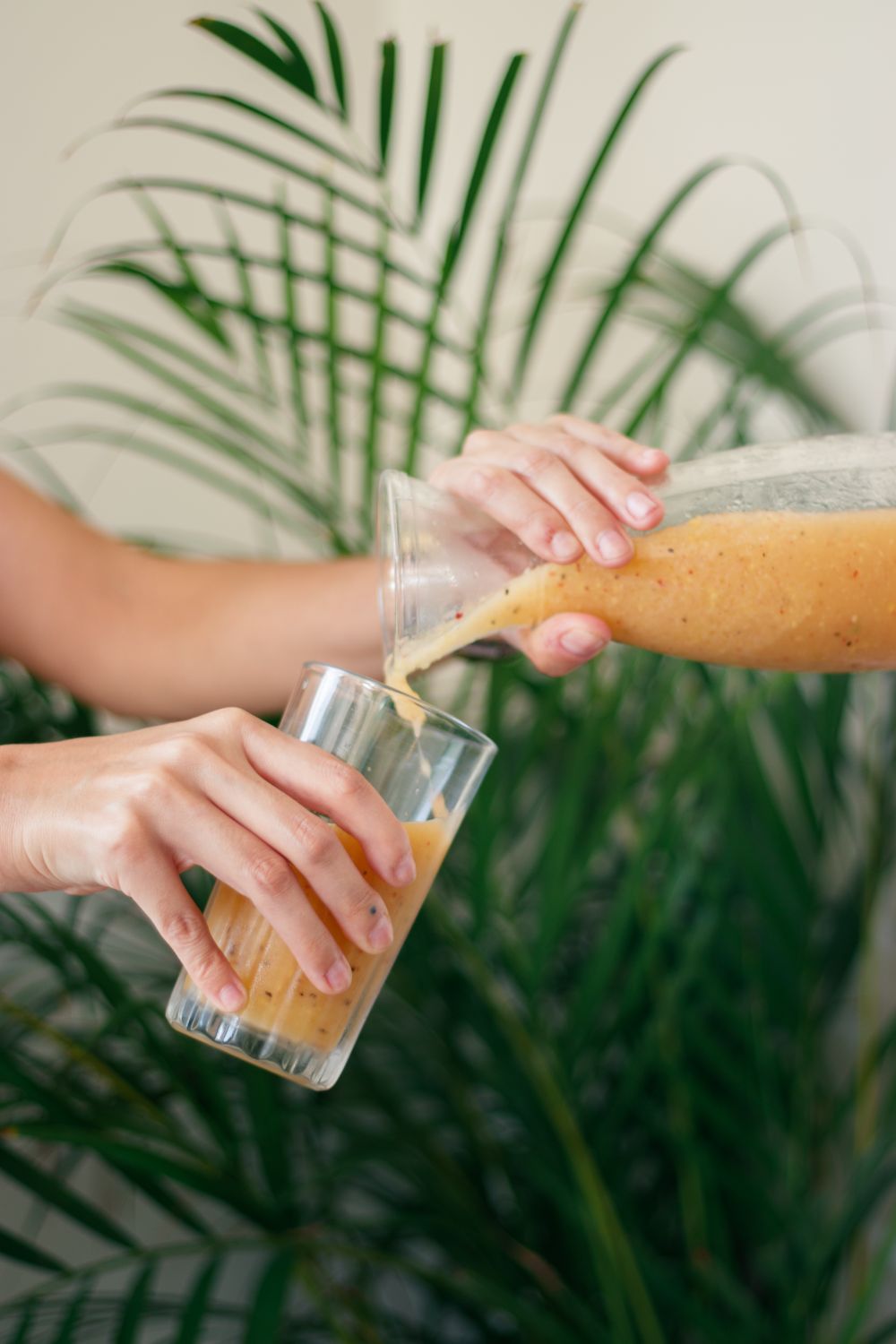

Raw Potato Juice: The Humble Kitchen Remedy Science Is Finally Taking a Second Look At
expert, nutritionist
Long before anyone had heard of proton-pump inhibitors, people were peeling potatoes, grating them into a cloth, and squeezing out a starchy, slightly bitter juice to calm an upset stomach. It sounds like the kind of advice that belongs next to "chicken soup for a cold" — until you notice that researchers have actually started testing it.
One reader who shared her experience with us put it simply: for years she'd get a burning sensation after almost every meal, and antacids only helped for an hour or two. Her grandmother's old habit — a small glass of fresh potato juice mixed with water, sipped slowly before dinner — became part of her routine again, alongside the usual advice to eat smaller meals and cut back on fried food. It didn't fix everything, she said, but it took the edge off on the worst evenings. Stories like hers are common in online home-remedy communities, and they're part of why researchers have started to ask whether there's a real mechanism behind the folklore.
A remedy born out of necessity
Home remedies like this one have thrived for a long time in places where pharmaceuticals are scarce or unreliable. In Cuba, for instance, decades of shortages have pushed doctors and patients toward garden-grown, food-based remedies as part of everyday medical care — not as a substitute for modern medicine, but because it's often what's actually available (National Geographic). Potato juice fits that same tradition: cheap, homemade, and passed down rather than prescribed.
How it's traditionally made
- Potatoes (organic where possible)
- Cooled, boiled water
Peel the potatoes and check carefully for any green tinge — that's where the sprout is trying to grow, and it's also where solanine, a natural plant toxin, tends to concentrate. Cut that part away generously before juicing. Grate or juice the potato, strain if needed, and drink it fresh; it oxidizes quickly, so it's not something to prepare ahead of time and store. Some people mix in a little melon or cucumber for taste. As with most home remedies, moderation matters — start with a small amount, such as a teaspoon diluted in water, and see how your body responds before increasing it. For more detail on a safe base recipe, this home-remedy guide and Foodwhisper's own step-by-step on how to make potato juice are useful references.
What the research actually shows
The strongest human evidence so far is a small pilot study, not a large clinical trial: 42 people with dyspepsia (a broader category that includes gastritis-type discomfort) drank 100ml of potato juice twice a day for a week and reported a meaningful improvement in symptoms on standard questionnaires (PubMed). It's a promising signal, but the study was small, short, and had no placebo comparison, so it can't prove cause and effect on its own.
Separately, laboratory research on a spray-dried potato juice preparation found it reduced inflammation markers and lowered ulcer formation in rats exposed to stomach-damaging substances (Nutrients, 2018). Encouraging, but animal studies don't automatically translate to the same effect in people drinking juice at home.
In short: there's a real, if early, scientific basis for why generations of people found this remedy soothing — but it's not a proven treatment for gastritis, ulcers, or any diagnosed condition, and it shouldn't replace medical care, especially if symptoms are severe, persistent, or come with warning signs like weight loss or bleeding.
A few sensible precautions
Potatoes are part of the nightshade family, so anyone sensitive to tomatoes or peppers may want to introduce this slowly. Never use potatoes that are green, sprouted, or bitter-tasting. And because this is a food-based remedy rather than a medication, it's worth mentioning to your doctor if you're using it alongside treatment for a diagnosed digestive condition, particularly if you're also being treated for H. pylori or take regular acid-reducing medication.
If you're generally interested in which root vegetables are worth choosing organic, Foodwhisper's piece on foods nutritionists are cautious about is a useful companion read, and if potatoes come up often in your diet, this rundown of which everyday foods are actually higher in potassium than bananas is worth a look too.
The bottom line
Raw potato juice isn't a miracle cure, and no serious source claims it is. What it seems to be is a genuinely old, genuinely cheap remedy that modern science is only just starting to take seriously — worth trying cautiously as a complement to, not a replacement for, proper medical advice if you're dealing with ongoing stomach discomfort.
Information on this website is for educational purposes only and is not medical advice.
expert, nutritionist
 Would you like to be informed about news on the website?















|

