








Cooling Foods vs. Warming Foods: What to Eat (and What to Skip) When Summer Turns Up the Heat
expert, nutritionist
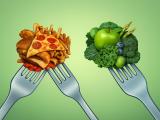
You've probably heard the advice a hundred times: drink more water in summer, eat lighter. But here's the part most people miss — not all "light" foods are actually cooling, and some summer favorites may quietly work against you. A crisp apple, a handful of almonds, even your morning yogurt could, according to older food-wisdom traditions, be doing the opposite of what you'd expect on a scorching afternoon.
A home cook we heard from put it simply: after switching her usual iced coffee and raw onion salads for room-temperature herbal tea and steamed courgettes during a heatwave, she said she finally stopped feeling "puffy and sluggish" by mid-afternoon. Small swaps, she found, made a noticeable difference to how she felt through the hottest weeks of the year.
Where the "cooling vs. warming" idea comes from
The notion that foods carry a "heating" or "cooling" quality — independent of their actual temperature — comes from traditional systems like Ayurveda and Traditional Chinese Medicine. In Ayurveda this property is called virya, and it's treated as separate from how hot or cold a dish is served: ice cream, for instance, is classified as heating despite being served cold, because of how it's ultimately processed by the body (Banyan Botanicals: Cooling vs. Heating Foods).
It's worth being upfront that this isn't settled science. A review of the hot-cold food classification system found the available evidence "heterogeneous and of mixed quality," though it did note some heating foods correlated with higher metabolic and calorie load, while cooling foods trended toward more water and fiber content (Hot and Cold Theory: Evidence in Nutrition). A separate overview of Ayurveda and Traditional Chinese Medicine reached a similar conclusion — the systems aren't strongly validated scientifically, but some cooling foods (high water content, menthol-containing herbs like mint) do measurably trigger the body's own cold-sensing pathways (FreshMAG by Liebherr: Cooling Food — TCM and Ayurveda). For a more clinically framed discussion of the Ushna (hot) and Sheeta (cold) principle, see this overview on PubMed (Principle of Hot and Cold and Its Clinical Relevance). So think of this less as medical fact and more as a traditional framework worth trying out for yourself — the way What Shouldn't You Eat in Warm Weather? also explores on Foodwhisper.
Foods worth leaning into this summer
- Sweet, juicy fruit: apples, apricots, figs, cherries, grapes, watermelon, melon, plums. High water content is genuinely useful in heat — the same logic behind Foodwhisper's own piece on The Best Frozen Fruits and Vegetables for keeping cool.
- Sweet and slightly bitter vegetables: courgette, asparagus, peppers, fresh corn, cucumber, cauliflower, kale.
- Grains: barley, Himalayan or basmati rice.
- Legumes: beans, chickpeas, lentils — traditionally described as helping the body retain moisture, so worth eating more often in hot months. Interestingly, cooling cooked legumes and grains before eating them can also change how they affect blood sugar — Foodwhisper's piece on Peas That Mendel Didn't Know as Medicine looks at this "resistant starch" effect in more detail.
- Soy products: tofu, soy milk.
- Dairy: cheese, cow's milk, goat's milk.
- Fresh herbs and spices: basil, coriander, cumin, dill, fennel, mint, saffron, turmeric.
- Drinks: water, fresh sweet fruit juices, vegetable juices.
- Teas: chamomile, fennel, hibiscus, nettle — best enjoyed at room temperature rather than piping hot.
Foods that may work harder against you in the heat
- Sour or unripe fruit: tart apples, unripe fruit, strawberries, cherries, lemons.
- Vegetables: beetroot, carrot, aubergine, garlic, olives, kohlrabi, raw onion, hot peppers.
- Grains: corn, buckwheat, rye, millet, oats.
- Nuts and seeds: almonds, brazil nuts, cashews, walnuts, peanuts, sesame seeds.
- Spices: cloves, ginger, marjoram, oregano, paprika, rosemary, sage.
- Dairy: hard cheese, feta, sour cream, yoghurt.
- Drinks: fizzy drinks, coffee, hot tea, sour fruit juices.
A simple rule of thumb from this tradition: lean toward the second list on damp, rainy, or overcast days, and toward the first list when it's genuinely hot and dry. Either way, the constant through summer is fluids — plenty of them, and before you feel thirsty. The CDC's heat-safety guidance echoes this directly: don't wait until you're thirsty to drink, and go easy on very sugary or alcoholic drinks, since they can actually pull more fluid out of the body (CDC: About Heat and Your Health). If you want to know what dehydration escalating into heat illness actually looks like, Foodwhisper has a good rundown in When the Body Says No: How to Recognize Heat Stroke Before It Surprises You.
And if a barbecue or picnic has already thrown your usual habits off, a simple, hydrating homemade drink can help you get back on track — see When Your Body Fills Up With Toxins After Picnics, It's Soothed by a Single Glass for a lemon, grapefruit, and parsley recipe worth keeping on hand this season.
Information on this website is for educational purposes only and is not medical advice.
expert, nutritionist
 Would you like to be informed about news on the website?







|

