






Eat More at Breakfast, Weigh Less: Simple Tricks to Eat Fewer Calories Without Feeling Deprived
expert, nutritionist
Losing about half a kilogram a week is generally considered a safe, sustainable pace, and health authorities such as the CDC and the Mayo Clinic point to a daily deficit of roughly 500 calories as a reasonable way to get there. The good news? A few small, realistic changes to your morning routine may be enough to close that gap — without any dramatic sacrifices.
One Foodwhisper reader put it simply after trying some of these habits for a few weeks: she said she stopped reaching for her usual mid-morning pastry almost without noticing, simply because she wasn't hungry for it anymore. That's really the idea behind all of the tips below — not willpower, but a few small adjustments that make lower-calorie eating feel automatic rather than forced.
1. Don't Skip Breakfast
If you're hoping to reach a slimmer figure while skipping breakfast, that goal may stay just that — a dream. Nutrition experts often point out that a substantial breakfast, in the region of 600 calories, tends to work in your favor rather than against it, since much of that energy will be used up over the course of the day. Skipping the meal altogether tends to backfire: research summarized in Why Is It Dangerous to Eat These Foods for Breakfast notes that people who skip breakfast often end up eating substantially more later in the day once hunger catches up with them. If you'd rather build a more energizing morning meal, Breakfast for More Energy Before a Physically Demanding Day has a few ideas worth trying.
2. Consider Eggs for Breakfast
Eggs are filling, nutrient-dense, and can be a smart way to start the day. Several small clinical studies have compared egg breakfasts with cereal- or bagel-based ones, generally finding that participants who ate eggs felt fuller and voluntarily ate less at their next meal. A crossover study from the University of South Australia, published in the International Journal of Environmental Research and Public Health, found that an egg breakfast reduced hunger and lowered energy intake at lunch compared with a cereal breakfast. A related trial published in the International Journal of Obesity found that, when combined with a calorie-controlled diet, an egg breakfast was associated with noticeably greater weight loss over eight weeks compared with an equivalent bagel breakfast. The likely reason: eggs are rich in protein, which tends to keep hunger at bay longer than many other breakfast staples, making it easier to skip that mid-morning snack.
3. Ease Up on Fruit Juice
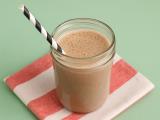
It's worth remembering that fruit juice can carry a lot of calories relative to how filling it actually is. Store-bought juices are the main culprit here — a homemade smoothie, on the other hand, can work well as a stand-in for an entire meal (lunch or dinner, for instance, while keeping breakfast more traditional). Plain water is still hard to beat, and if you find it a little boring, a few slices of fresh fruit dropped in can make it more appealing without adding much in the way of calories. Herbal tea is another easy swap worth trying.
4. Get Moving During Screen Time
If you use part of your evening TV time for a few sit-ups, some time on a stationary bike, a hula hoop, or other light aerobic movement, you may burn a meaningful number of calories over the course of a week — and you'll likely find yourself snacking less in front of the screen at the same time, since your hands (and attention) are busy elsewhere. For extra motivation, put on a music program and treat a song or two as an impromptu dance break. Either way, moving during the time you'd otherwise spend snacking offers a double benefit: burning some energy while cutting down on mindless eating.
Building a Sustainable Routine
None of these tips demand strict rules or deprivation — they're small shifts that, together, may help support a gentler approach to eating less without constant hunger. For more ideas along these lines, see Quick Tricks for Better Health and a Perfect Body and Diet Without Dieting and 2 kg Less Per Week.
Information on this website is for educational purposes only and is not medical advice.
expert, nutritionist
 Would you like to be informed about news on the website?














|

