






5 mistakes in the Mediterranean diet - and how one of them costs up to 80% of the valuable nutrients
expert, nutritionist
The Mediterranean diet is consistently ranked among the healthiest eating patterns in the world, and a large body of research links it to better heart health, healthier blood sugar levels, and a lower long-term risk of several chronic conditions. It's not a strict diet in the usual sense — it's a way of eating that's forgiving, flavorful, and surprisingly easy to get slightly wrong.
Actor John Goodman is one of the more public examples of what consistency with this style of eating can look like over time. After working with a nutrition coach on a Mediterranean-style eating plan built around fish, nuts, olive oil, vegetables and fruit, he lost more than 200 pounds over the course of several years — a result he's attributed less to any single food and more to steady, sustainable habits rather than dramatic short-term dieting (Health Digest). His experience is a useful reminder that this diet works less like a set of hard rules and more like a set of habits — which is exactly where most people go wrong.
So what are the most common mistakes people make when they think they're "eating Mediterranean"?
1. Getting the Carbohydrates Wrong
All the benefits of Mediterranean ingredients can disappear quickly if they're paired with processed food, artificial additives, animal fats, or added sugar. The essence of Mediterranean cooking is minimal processing — ingredients that are fresh, simple, and left mostly alone (a healthy lunch doesn't need a dozen components). Industrially produced pasta is generally worth avoiding in favor of homemade versions, and bread is traditionally kept apart from Mediterranean-style meals rather than served alongside them. Sugary and carbonated drinks are the biggest departure from the pattern. A small glass of red wine fits the tradition in moderation, though plain water remains the better everyday choice — and it's generally best not to drink large amounts of water in the middle of a meal, since it can dilute digestive enzymes and may reduce how efficiently nutrients are absorbed.
For more on how everyday drink choices stack up nutritionally, see 5 Drinks That Are Stronger Than Dietary Supplements.
2. The Rule of Three Ingredients
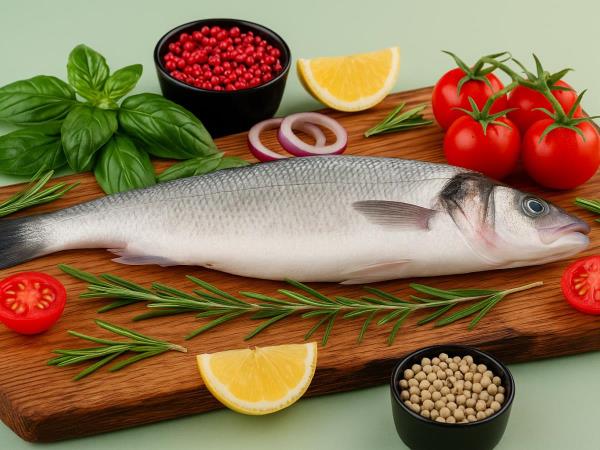
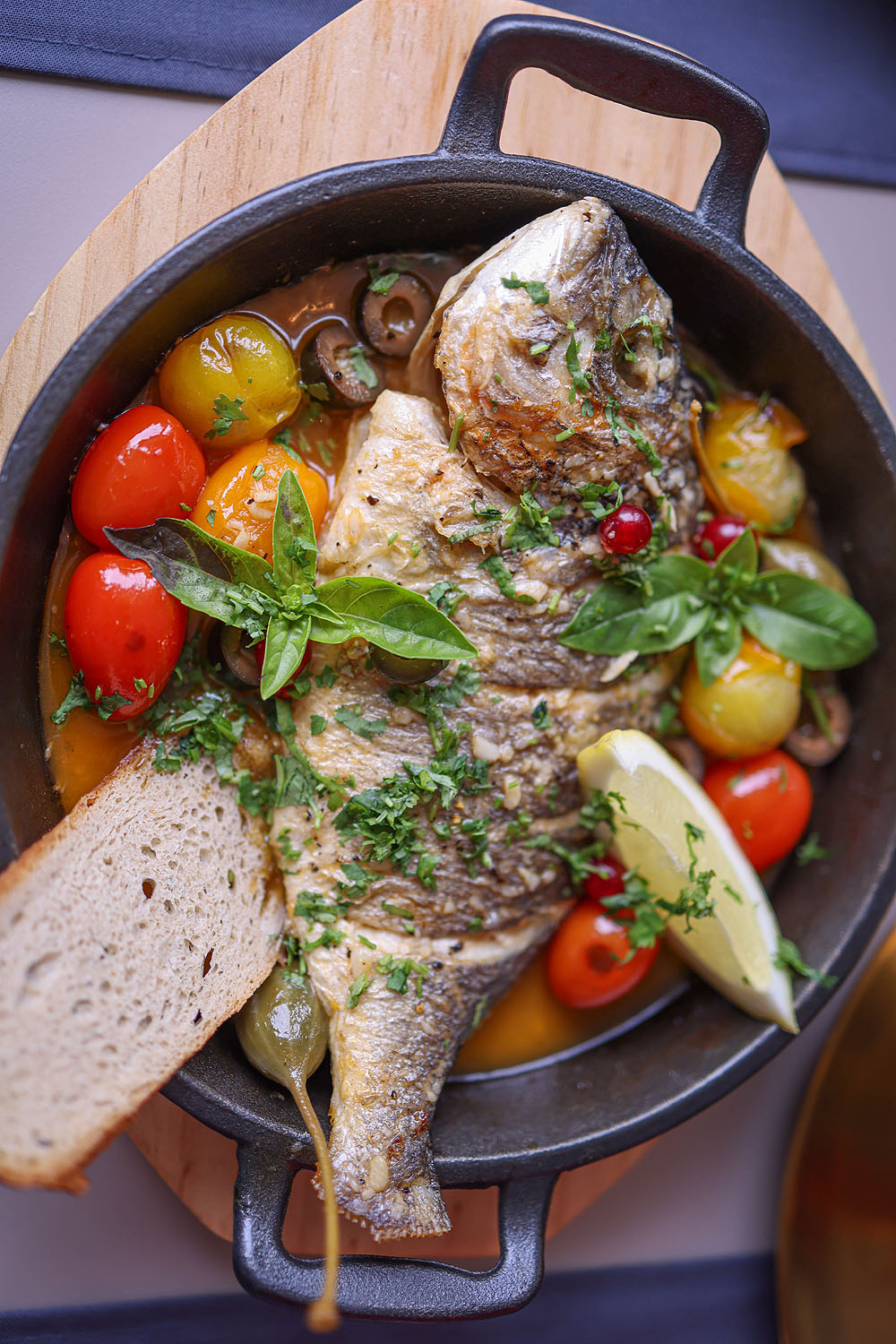
One of the defining features of Mediterranean cooking is its simplicity. A dish is traditionally built from no more than three main ingredients — a classic combination being chard (green), fish (white), and tomato (red). Cooking is kept brief, and herbs and spices do most of the flavor work. Fewer ingredients generally means an easier job for digestion, and it avoids the situation where certain foods dilute or interfere with the effect of others. A plate crowded with too many components can simply be harder for the stomach to process efficiently.
3. Misunderstanding What Actually Belongs in the Diet
People often picture foods in the Mediterranean diet that don't really belong there — potatoes and carrots are common examples. What does belong: good-quality oils, whole grains, fresh and dried fruit (Mediterranean varieties), fish, milk and dairy, and vegetables that grow above ground (with garlic and onion as notable exceptions). Herbs and spices are essential rather than optional — generous amounts of basil, chives, bay leaf, rosemary, thyme, marjoram, and even hot peppers are typical.
Foodwhisper has covered which everyday foods people commonly misuse or misunderstand in Foods We Use Incorrectly, and which combinations are worth rethinking at breakfast specifically in Why It's Dangerous to Eat These Foods for Breakfast.
4. Sugar and Fat — Not All Fat Is Equal
Added sugar plays a far smaller role in traditional Mediterranean eating than it does in a typical Western diet, which tends to be much higher in added sugars, refined grains, and sodium (Diabetes Strong). The bigger distinction, though, is fat quality rather than fat quantity: the diet leans heavily on monounsaturated fat from olive oil, nuts, and fish rather than saturated fat from processed and fried foods. If you're aiming for an authentic Mediterranean approach, that generally means skipping fried fish and fried potatoes, and choosing raw or dried nuts over roasted, heavily processed ones.
For more on one of the diet's signature fats, see Olive Oil on an Empty Stomach: Healthy Habit or Myth? and on sugar specifically, Too Much Sugar? No Worries!
5. Cooking Smart — Especially When It Comes to Broccoli
How Mediterranean food is cooked matters as much as what's on the plate. Research from the University of Warwick found that boiling broccoli for 30 minutes destroyed roughly 77% of its glucosinolates — the sulfur-containing plant compounds linked to some of broccoli's health benefits — compared to much smaller losses with steaming, stir-frying, or brief microwaving (ScienceDaily / University of Warwick). Separate research on cooking methods has found that steaming can retain significantly more glucosinolates than boiling, largely because boiling allows these water-soluble compounds to leach directly into the cooking water (ScienceDirect).
In practice, that means a quick sear followed by a brief steam — roughly a minute on high heat, then a few minutes on medium with just a splash of water — preserves far more of broccoli's nutritional value than boiling it in a full pot of water until soft. Mediterranean vegetables are, as a rule, never overcooked.
Foodwhisper has more on pairing broccoli with other nutrients for better absorption in Foods That Improve Nutrient Absorption.
The Bigger Picture
None of these are dramatic mistakes — they're small habits that, added up, quietly water down what makes this way of eating effective in the first place. Research from Spain's long-running PREDIMED trial, published in the New England Journal of Medicine, remains one of the most-cited pieces of evidence linking a Mediterranean-style eating pattern to better cardiovascular outcomes, while more recent work summarized by Harvard Health has also connected it to more stable blood sugar and slower age-related brain changes. For a broader introduction to the pattern itself, MedlinePlus is a solid, plain-language starting point.
Information on this website is for educational purposes only and is not medical advice.
expert, nutritionist
 Would you like to be informed about news on the website?















|

