




Date: 07/30/2026 - GOOD TO KNOW
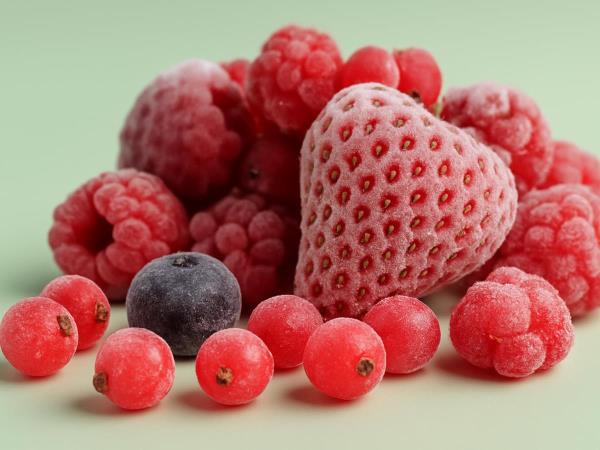
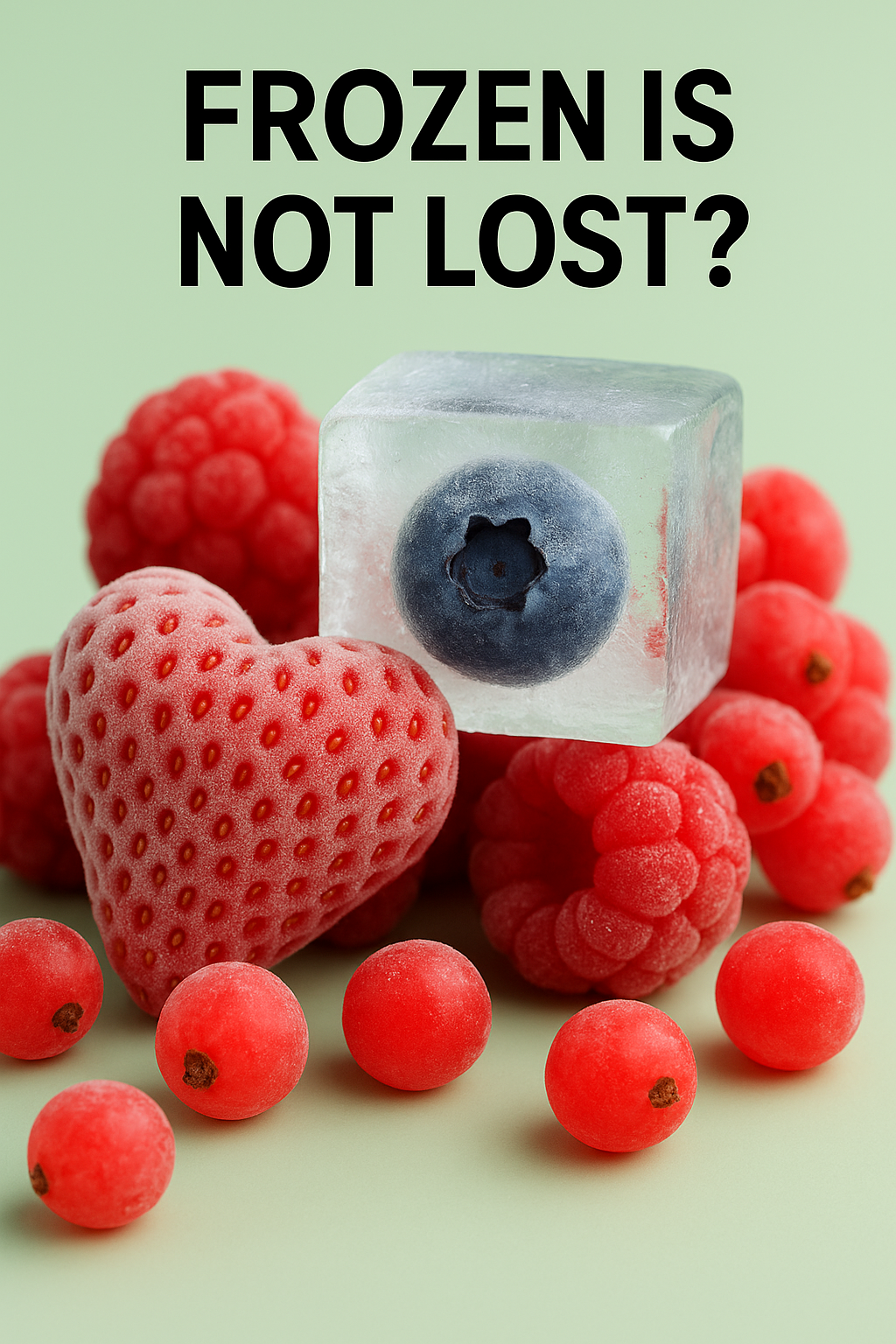
Frozen is not lost: 7 foods that retain their power in the freezer
AUTHOR:
Zvone Stor
expert, nutritionist
expert, nutritionist
From blueberries to artichokes – some foods freeze surprisingly well and retain most of the vitamins and nutrients your body truly needs.
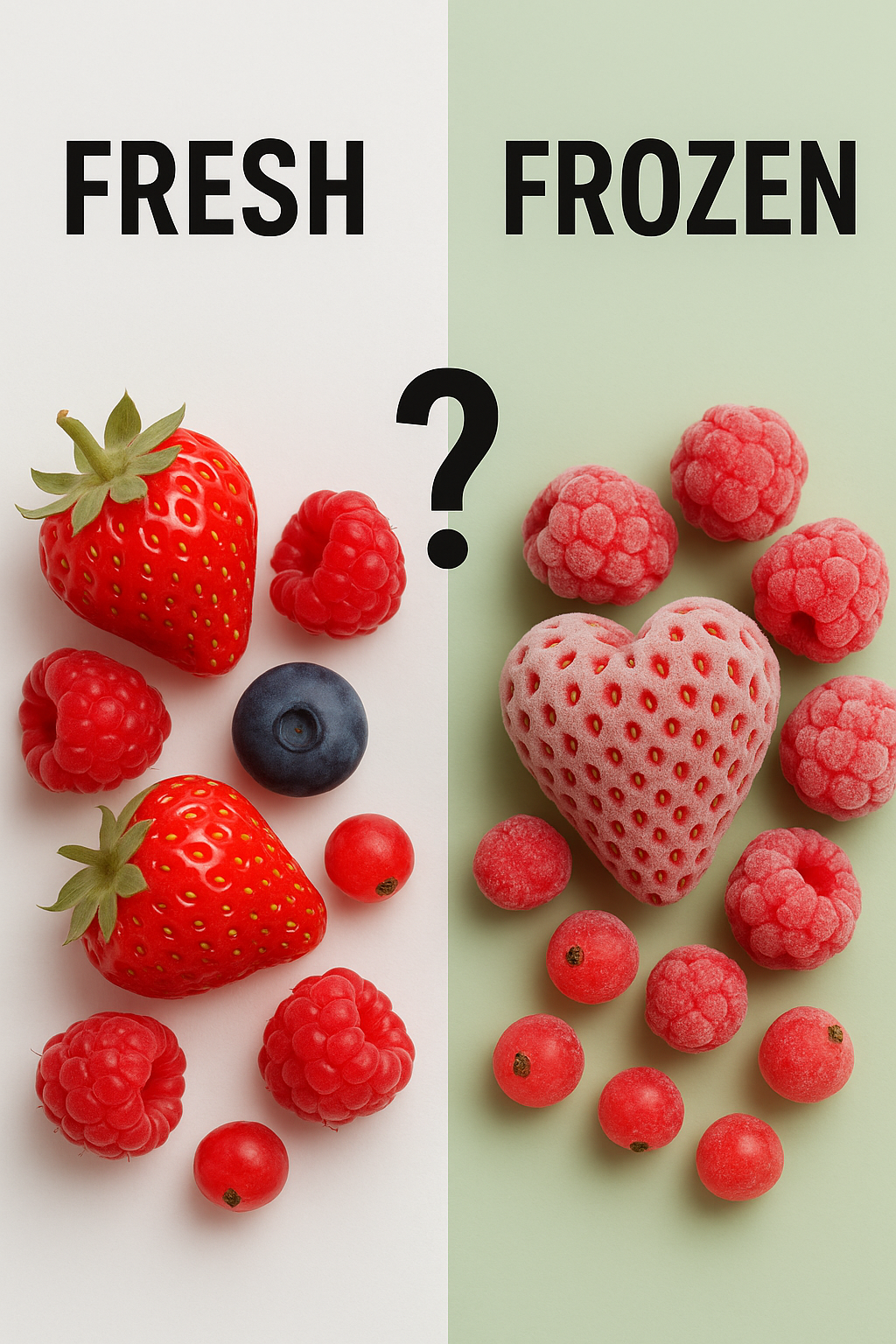
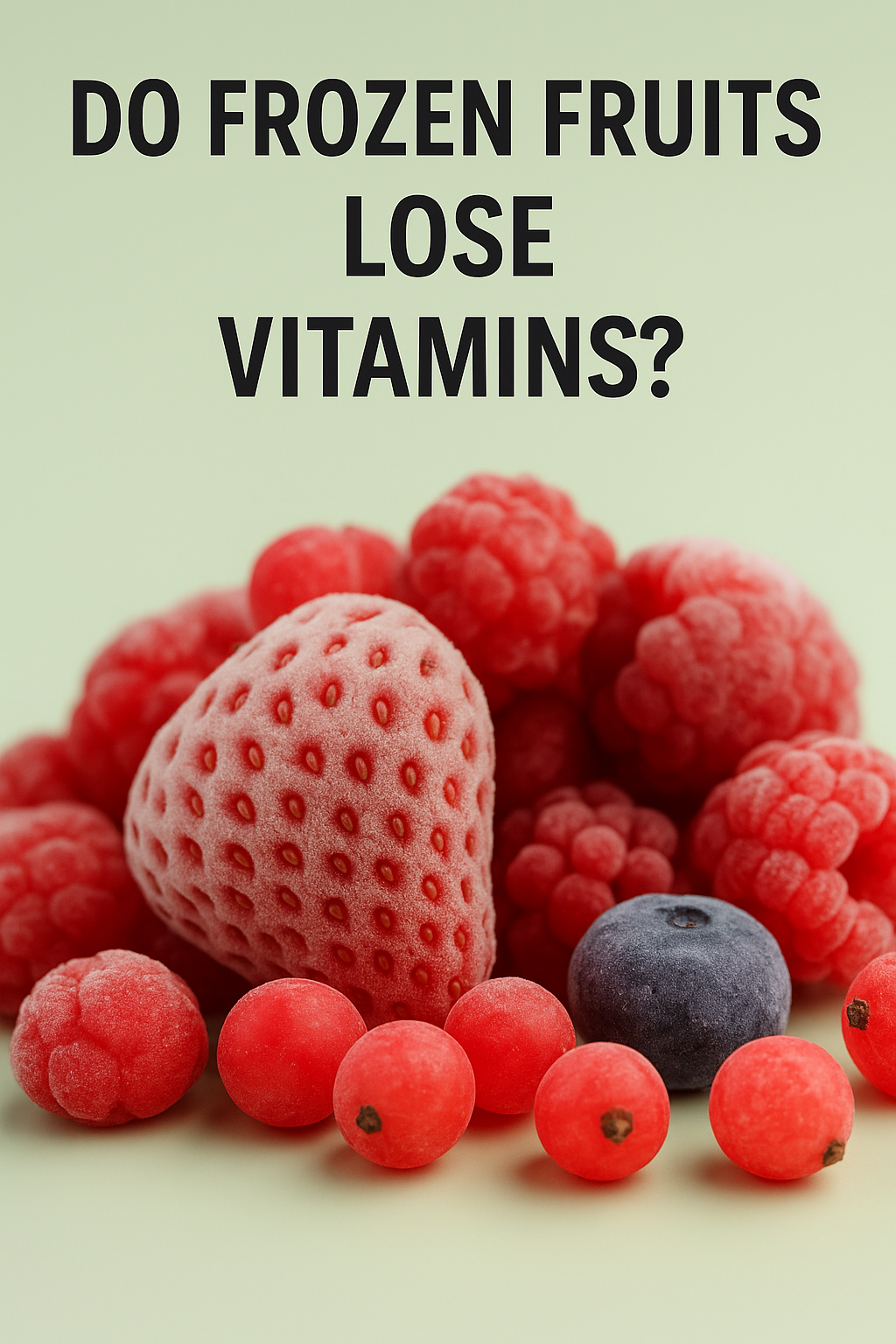
Some vegetables and fruits lose flavor and vitamins when frozen, but with some, the differences are truly minimal. In winter, it’s recommended to eat such vegetables because other vitamins are scarce, and in summer, you can quickly make ice cream, a refreshing smoothie, or a fruit salad from them. There’s nothing wrong with combining fresh and frozen produce—for example, frozen fruit is much better for your stomach than ice. Also, ice makes every drink watery, but frozen fruit does not.
1. Blueberries
Blueberries are rich in vitamin C and E, even when frozen. Additionally, a cup of blueberries contains only 71 calories, which is also good for those who are trying to lose weight. And did you know that blueberries can help remove wrinkles on your face? Blueberries are also very good if you get sunburned.
2. Cherries
Cherries are high in antioxidants and are a real balm for anyone under stress. Cherries also do not lose much of their nutritional value when frozen. In addition, fresh cherries can cause stomach issues (bloating) for some people, but frozen ones do not. In the intense summer heat, it’s again the best combination of freshness and coolness.
3. Peaches
Peaches are great for weight loss because they make you feel full, have a moderate amount of sugar, and are rich in vitamins A and C. Peaches also have a beneficial effect on skin regeneration, but they can be especially delicious when made into compote, which can also be very well chilled.
4. Spinach
Spinach is still the vegetable with the most iron, and it is also very rich in antioxidants and has anti-inflammatory effects. Its properties don’t change much even when frozen, but it’s good to know that cooked spinach contains more iron than raw. If you want to eat it raw, combine it with foods that help your body absorb iron, such as poultry, fish, broccoli, and even oranges.
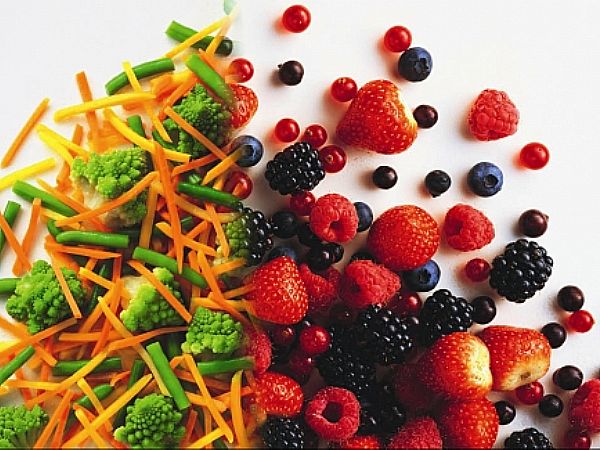
5. Broccoli
Broccoli is very helpful in lowering cholesterol, detoxifying the body, and it has a beneficial effect on liver and stomach function. It is rich in vitamins A and C and is one of the essential foods for fighting anemia.
6. Blackberries
Research shows that blackberries have twice as many antioxidants as blueberries, strawberries, or raspberries. A cup of blackberries contains 8 grams of fiber and manganese, which is especially good for strengthening muscles and bones. Blackberries do not lose much of their nutritional value even when frozen.
7. Artichokes
With their sweet taste, artichokes provide the body mainly with fiber, but they are also extremely rich in proteins, fats, phosphorus, potassium, iron, calcium, and vitamins A, B, E, and K, and sodium is also important... It’s hard to find such a versatile vegetable. In addition, pickled and frozen artichokes retain most of their positive properties. Artichokes are definitely a gourmet specialty that we don’t eat enough of.
Information on this website is for educational purposes only and is not medical advice.
1. Blueberries
Blueberries are rich in vitamin C and E, even when frozen. Additionally, a cup of blueberries contains only 71 calories, which is also good for those who are trying to lose weight. And did you know that blueberries can help remove wrinkles on your face? Blueberries are also very good if you get sunburned.
2. Cherries
Cherries are high in antioxidants and are a real balm for anyone under stress. Cherries also do not lose much of their nutritional value when frozen. In addition, fresh cherries can cause stomach issues (bloating) for some people, but frozen ones do not. In the intense summer heat, it’s again the best combination of freshness and coolness.
3. Peaches
Peaches are great for weight loss because they make you feel full, have a moderate amount of sugar, and are rich in vitamins A and C. Peaches also have a beneficial effect on skin regeneration, but they can be especially delicious when made into compote, which can also be very well chilled.
4. Spinach
Spinach is still the vegetable with the most iron, and it is also very rich in antioxidants and has anti-inflammatory effects. Its properties don’t change much even when frozen, but it’s good to know that cooked spinach contains more iron than raw. If you want to eat it raw, combine it with foods that help your body absorb iron, such as poultry, fish, broccoli, and even oranges.

5. Broccoli
Broccoli is very helpful in lowering cholesterol, detoxifying the body, and it has a beneficial effect on liver and stomach function. It is rich in vitamins A and C and is one of the essential foods for fighting anemia.
6. Blackberries
Research shows that blackberries have twice as many antioxidants as blueberries, strawberries, or raspberries. A cup of blackberries contains 8 grams of fiber and manganese, which is especially good for strengthening muscles and bones. Blackberries do not lose much of their nutritional value even when frozen.
7. Artichokes
With their sweet taste, artichokes provide the body mainly with fiber, but they are also extremely rich in proteins, fats, phosphorus, potassium, iron, calcium, and vitamins A, B, E, and K, and sodium is also important... It’s hard to find such a versatile vegetable. In addition, pickled and frozen artichokes retain most of their positive properties. Artichokes are definitely a gourmet specialty that we don’t eat enough of.
Information on this website is for educational purposes only and is not medical advice.
Author:
Zvone Stor
expert, nutritionist
expert, nutritionist
 Would you like to be informed about news on the website?
Just enter your e-mail
Foods that retain nutrients in freezer
Best frozen fruits and vegetables
Benefits of frozen blueberries
Nutritional value of frozen cherries
Frozen spinach health benefits
Latest news


The Hidden Power of Cabbage: One Humble Kitchen Staple That Supports Your Health From Head to Toe
Read more >>

Why Do You Always Wake Up at the Same Time? Your Body Might Be Trying to Tell You Something
Read more >>


French Fries and Your Brain: What an 11-Year Study of 140,000 People Found About Fried Food and Mood
Read more >>
Selenium: The Tiny Mineral Your Body Can't Live Without — And Can Absolutely Have Too Much Of
Read more >>
A Spoonful of Coconut Oil on an Empty Stomach: The Quiet Morning Habit So Many People Swear By
Read more >>

Anemia on Your Plate: The Everyday Foods Quietly Helping — Or Sabotaging — Your Iron Levels
Read more >>

Why the Humble Egg Might Just Be Your Diet's Secret Weapon: 5 Reasons Nutritionists Keep Coming Back To
Read more >>

Yogurt, Banana or Citrus for Breakfast? Why Some "Healthy" Foods Can Backfire on an Empty Stomach
Read more >>
Interaktive Widgets:
|

