




Date: 07/27/2026 - GOOD TO KNOW
Tomato as a Shield for the Liver and Brain: What Happens When We Take Red Vegetables Seriously
AUTHOR:
Zvone Stor
expert, nutritionist
expert, nutritionist
The average European drinks over 11 liters of pure alcohol per year. Science now shows that lycopene from tomatoes may protect liver and brain cells from oxidative stress.
Let us reassure you right away: tomato is, of course, not a miracle cure that can undo the consequences of excessive drinking, but with the help of tomatoes we can at least partially protect ourselves from the damage caused by alcohol in the body.
Alcohol Can Also Be an Enemy
According to data from the World Health Organization from 2023, the average European over the age of 15 drinks as much as 11.1 liters of pure alcohol per year. If we translate this into everyday life practices, it amounts to about 2 deciliters of wine per day. And that’s for everyone, even those who don’t drink at all!
When alcohol enters the body, it must first be processed by the liver, which acts as an internal cleaning service. As it breaks down alcohol, free radicals are produced—tiny chemical particles that trigger oxidative stress in the body. Oxidative stress is a state where there are too many aggressive molecules in the body, which destroy cells. It's similar to rust destroying iron.
The result? Damage to liver cells, which over time can lead to inflammation, fatty liver, cirrhosis, and even cancer. The liver remembers a lot, but forgives little.
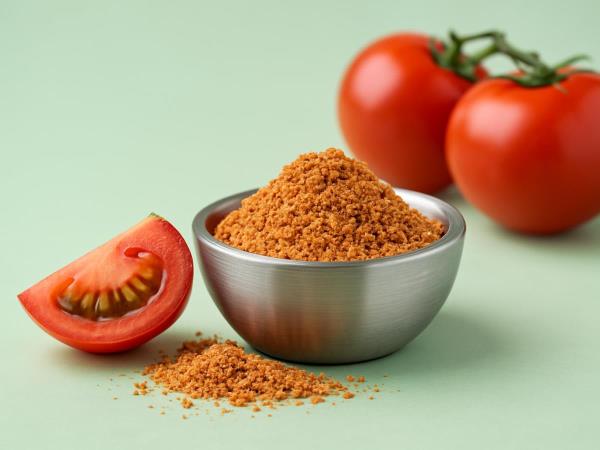
Tomato Powder: An Old Solution in a New Form
In a study conducted by scientists in the field of biochemistry (source: Journal of Functional Foods, 2021), rats were exposed to a daily dose of alcohol amounting to 100 grams of ethanol per day—that is equivalent to 7 to 8 glasses of wine, which for a human would mean quite noticeable intoxication.
In the experiment, the rats were divided into three groups. One received tomato powder, the second a tomato extract soluble in fat, and the third pure lycopene, the red pigment from tomatoes that works as an antioxidant (a healing substance that reduces the damage from free radicals).
The result was surprising: in the group that received tomato powder, as many as 90% of the rats had less liver damage compared to the other groups. In practice, this means that the whole plant (in powder form) works better than its individual parts.
Brain: The Silent Victim of Every Glass
You might think alcohol does the most damage only to the liver, but its effects can be seen quite quickly in the brain as well. A newer study (published in Nutrition & Neuroscience, 2022) showed that just 30 grams of alcohol—the equivalent of two standard drinks (for example, two deciliters of wine)—can cause damage to genetic material (DNA) in brain cells in just 15 minutes.
Yes, you read that correctly: after just one glass of wine, the destruction in the brain begins. But here is where the story changes... If researchers exposed brain cells to lycopene three hours before drinking alcohol, the damage was reduced. This means lycopene acts as a shield that can at least partially protect the brain from the destructive effects of alcohol.
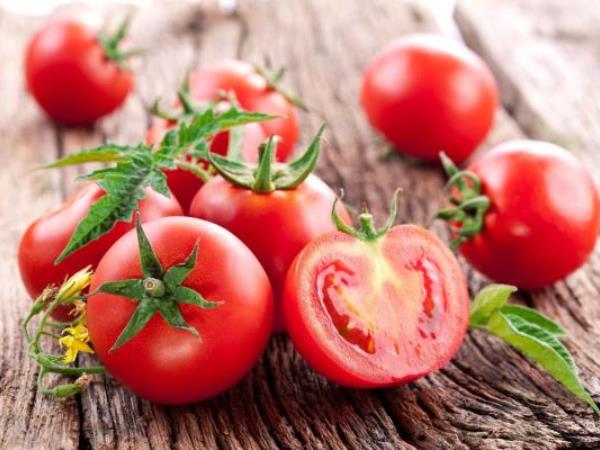
So What is the Best Way of Consuming Tomatoes?
Folk medicine has always valued the whole fruit: raw, cooked, and dried. Homemade tomato sauces, sun-dried tomatoes in oil, tomato juice—all of these are not only tasty but also healing. But as research shows, tomato powder (which is dried and ground tomatoes with no added sugar or salt) is one of the most effective ways to get the best from tomatoes.
In 100 grams of dried tomato, there is as much as 46 mg of lycopene, while fresh tomato contains on average only 3 mg of lycopene per 100 g. So, if you make homemade tomato sauce from larger quantities of tomato, the effect will be much stronger than if you eat one fresh tomato in a salad.
What Does Science Say?
According to the American Institute for Cancer Research (AICR), consuming foods rich in lycopene is linked with lower risk of liver and prostate cancer, and also reduces systemic inflammation, which is often connected to cardiovascular diseases.
In one of the largest studies involving more than 40,000 men, Harvard researchers found that those who regularly consumed tomato products had a 35% lower risk of developing prostate cancer. And even though this figure is not directly related to the liver or brain, it shows that tomato has holistic effects on the body.
Folk Wisdom: If You’ve Looked Too Deep Into the Glass...
In the old days people intuitively knew that tomatoes were something special. Grandmothers liked to cook homemade tomato sauce with garlic, olive oil, and basil, which cleansed the body and soothed the stomach after holidays with too much food and drink. They also used to say that tomato strengthens the heart and clears the mind. Looking at today’s modern research, this seems to be more than just a superstition.
How Can We Use This Knowledge in Everyday Life?
If you know you’re facing an evening with a bit more wine or beer, treat yourself a few hours earlier to tomato soup, homemade tomato juice, or a spoonful of dried tomato powder mixed in a smoothie. It won’t prevent all consequences, but it will help your liver and brain cope with the stress more easily.
Even if you don’t drink alcohol at all, tomato is still an extremely beneficial food. Include it in your daily diet—not for aesthetics, but for long-term health.
Conclusion
The liver and brain are two of the most burdened organs in the modern world. The liver, because it cleans everything we put inside us. The brain, because it has to cope with everything we think, feel, and solve every day. If there is a simple and tasty way to protect them, why not take advantage of it?
Tomato is a true folk treasure, sometimes overlooked, now scientifically confirmed as an ally for our health. Let’s not forget: prevention is always better than cure. And sometimes it starts with just one spoonful of tomato sauce.
Information on this website is for educational purposes only and is not medical advice.
Alcohol Can Also Be an Enemy
According to data from the World Health Organization from 2023, the average European over the age of 15 drinks as much as 11.1 liters of pure alcohol per year. If we translate this into everyday life practices, it amounts to about 2 deciliters of wine per day. And that’s for everyone, even those who don’t drink at all!
When alcohol enters the body, it must first be processed by the liver, which acts as an internal cleaning service. As it breaks down alcohol, free radicals are produced—tiny chemical particles that trigger oxidative stress in the body. Oxidative stress is a state where there are too many aggressive molecules in the body, which destroy cells. It's similar to rust destroying iron.
The result? Damage to liver cells, which over time can lead to inflammation, fatty liver, cirrhosis, and even cancer. The liver remembers a lot, but forgives little.
Tomato Powder: An Old Solution in a New Form
In a study conducted by scientists in the field of biochemistry (source: Journal of Functional Foods, 2021), rats were exposed to a daily dose of alcohol amounting to 100 grams of ethanol per day—that is equivalent to 7 to 8 glasses of wine, which for a human would mean quite noticeable intoxication.
In the experiment, the rats were divided into three groups. One received tomato powder, the second a tomato extract soluble in fat, and the third pure lycopene, the red pigment from tomatoes that works as an antioxidant (a healing substance that reduces the damage from free radicals).
The result was surprising: in the group that received tomato powder, as many as 90% of the rats had less liver damage compared to the other groups. In practice, this means that the whole plant (in powder form) works better than its individual parts.
Brain: The Silent Victim of Every Glass
You might think alcohol does the most damage only to the liver, but its effects can be seen quite quickly in the brain as well. A newer study (published in Nutrition & Neuroscience, 2022) showed that just 30 grams of alcohol—the equivalent of two standard drinks (for example, two deciliters of wine)—can cause damage to genetic material (DNA) in brain cells in just 15 minutes.
Yes, you read that correctly: after just one glass of wine, the destruction in the brain begins. But here is where the story changes... If researchers exposed brain cells to lycopene three hours before drinking alcohol, the damage was reduced. This means lycopene acts as a shield that can at least partially protect the brain from the destructive effects of alcohol.

So What is the Best Way of Consuming Tomatoes?
Folk medicine has always valued the whole fruit: raw, cooked, and dried. Homemade tomato sauces, sun-dried tomatoes in oil, tomato juice—all of these are not only tasty but also healing. But as research shows, tomato powder (which is dried and ground tomatoes with no added sugar or salt) is one of the most effective ways to get the best from tomatoes.
In 100 grams of dried tomato, there is as much as 46 mg of lycopene, while fresh tomato contains on average only 3 mg of lycopene per 100 g. So, if you make homemade tomato sauce from larger quantities of tomato, the effect will be much stronger than if you eat one fresh tomato in a salad.
What Does Science Say?
According to the American Institute for Cancer Research (AICR), consuming foods rich in lycopene is linked with lower risk of liver and prostate cancer, and also reduces systemic inflammation, which is often connected to cardiovascular diseases.
In one of the largest studies involving more than 40,000 men, Harvard researchers found that those who regularly consumed tomato products had a 35% lower risk of developing prostate cancer. And even though this figure is not directly related to the liver or brain, it shows that tomato has holistic effects on the body.
Folk Wisdom: If You’ve Looked Too Deep Into the Glass...
In the old days people intuitively knew that tomatoes were something special. Grandmothers liked to cook homemade tomato sauce with garlic, olive oil, and basil, which cleansed the body and soothed the stomach after holidays with too much food and drink. They also used to say that tomato strengthens the heart and clears the mind. Looking at today’s modern research, this seems to be more than just a superstition.
How Can We Use This Knowledge in Everyday Life?
If you know you’re facing an evening with a bit more wine or beer, treat yourself a few hours earlier to tomato soup, homemade tomato juice, or a spoonful of dried tomato powder mixed in a smoothie. It won’t prevent all consequences, but it will help your liver and brain cope with the stress more easily.
Even if you don’t drink alcohol at all, tomato is still an extremely beneficial food. Include it in your daily diet—not for aesthetics, but for long-term health.
Conclusion
The liver and brain are two of the most burdened organs in the modern world. The liver, because it cleans everything we put inside us. The brain, because it has to cope with everything we think, feel, and solve every day. If there is a simple and tasty way to protect them, why not take advantage of it?
Tomato is a true folk treasure, sometimes overlooked, now scientifically confirmed as an ally for our health. Let’s not forget: prevention is always better than cure. And sometimes it starts with just one spoonful of tomato sauce.
Information on this website is for educational purposes only and is not medical advice.
Author:
Zvone Stor
expert, nutritionist
expert, nutritionist
 Would you like to be informed about news on the website?
Just enter your e-mail
Tomato benefits liver
Lycopene in tomatoes
Alcohol liver protection
Tomato powder benefits
Tomato health benefits
Latest news


The Hidden Power of Cabbage: One Humble Kitchen Staple That Supports Your Health From Head to Toe
Read more >>

Why Do You Always Wake Up at the Same Time? Your Body Might Be Trying to Tell You Something
Read more >>


French Fries and Your Brain: What an 11-Year Study of 140,000 People Found About Fried Food and Mood
Read more >>

Selenium: The Tiny Mineral Your Body Can't Live Without — And Can Absolutely Have Too Much Of
Read more >>
A Spoonful of Coconut Oil on an Empty Stomach: The Quiet Morning Habit So Many People Swear By
Read more >>

Anemia on Your Plate: The Everyday Foods Quietly Helping — Or Sabotaging — Your Iron Levels
Read more >>

Why the Humble Egg Might Just Be Your Diet's Secret Weapon: 5 Reasons Nutritionists Keep Coming Back To
Read more >>

Yogurt, Banana or Citrus for Breakfast? Why Some "Healthy" Foods Can Backfire on an Empty Stomach
Read more >>
Interaktive Widgets:
|

