






Date: 07/24/2026 - GOOD TO KNOW
Vitamin D and cancer: Japanese study reveals that the sun may protect us better than we thought
AUTHOR:
Zvone Stor
expert, nutritionist
expert, nutritionist
A large Japanese study published in the BMJ journal showed that people with higher levels of vitamin D have a lower risk of cancer – but what does this really mean for you?
In recent years, interest in vitamin D has greatly increased. It is no longer just that vitamin that helps maintain strong bones. Nowadays, we know that it also plays an important role in protecting the body against many diseases, even cancer. And when scientists start confirming what our grandmothers have known for a long time, it becomes clear that traditional knowledge is not to be underestimated.
What do the studies say?
In one of the largest long-term studies on the impact of vitamin D on cancer development, conducted by Japanese scientists and published in the respected medical journal BMJ (British Medical Journal), data was collected from more than 33,000 people aged 40 to 69. All participants gave blood at the start of the study, from which scientists measured the amount of vitamin D in the body. They then monitored this for 16 years, taking into account how much sun each person got, as the season has a significant effect on levels of this vitamin.
The results were striking. Those with the highest concentration of vitamin D had as much as 20% lower risk of developing any form of cancer in their lifetime. We are talking about a general impact, not just one or two specific cancers. This means that simply by maintaining a healthy level of this vitamin, we could significantly reduce one of the greatest dangers of modern times.
What is vitamin D, and why do we lack it?
Vitamin D is actually a hormone that the body produces when our skin is exposed to sunlight, more specifically UVB rays. The problem is that nowadays we spend most of our time indoors, use sunscreen (which does protect the skin but also blocks UVB rays), wear clothes that cover the body, and live in places where there is not enough sun (mainly in winter, but also in other seasons, the levels drop noticeably – what good is strong sunlight if we then spend more time in the shade because of it?!).
According to some data, more than 40% of Europeans have insufficient vitamin D in their bodies, with the proportion even higher in winter months. A study from the UK in 2022 showed that as many as 57% of the population have too little vitamin D in winter, with this percentage rising to 75% among the elderly.
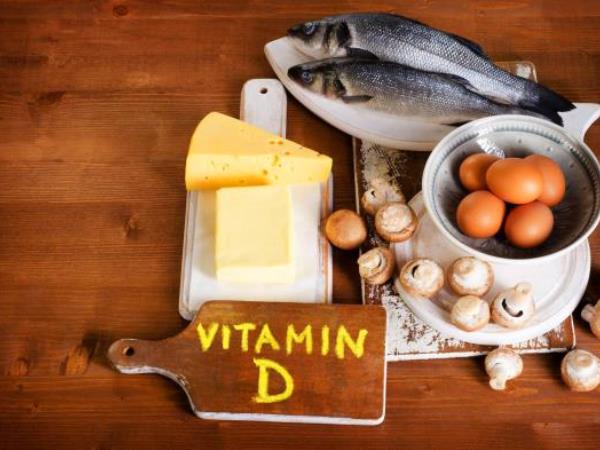
Our grandmothers solved this in their own way: with walks in the sun, cod liver oil, and plenty of mushrooms. Mushrooms, especially shiitake and porcini, are one of the few natural sources of vitamin D, along with fatty fish such as salmon, mackerel, and sardines. But it's hard to achieve optimal levels through food alone. According to the US organization NIH (National Institutes of Health), you would need to eat about 100g of salmon daily to reach the recommended amount of vitamin D.
How much vitamin D is enough, and when is it too much?
Scientists are still debating the optimal level of vitamin D in the blood. Most experts agree that a value above 75 nmol/L (which is 30 ng/mL) is what protects the body from a deficiency. However, newer studies, like the aforementioned Japanese study, show that protective effects against cancer are only seen at somewhat higher levels – between 90 and 100 nmol/L.
On the other hand, it's important to note that you can have too much vitamin D. If you take excessive amounts in the form of supplements, it can lead to toxicity, causing high levels of calcium in the blood (called hypercalcemia), which can harm the heart, kidneys, and other organs. According to the European Food Safety Authority (EFSA), the safe upper limit for long-term vitamin D intake is 100 micrograms per day (which is 4000 units), but most people take much less.
What does traditional knowledge say?
In folk medicine, they didn’t know vitamin D by name, but they knew that sunlight heals. In many places, for example, young mothers would, in winter, open the windows daily, place children near the sunlight, and let the sun gently touch them. For children with softer bones—what we now call rickets—grandmothers used to recommend cod liver oil from a bottle, which was rather unpleasant but also very healing. This practice was even used in schools. After the Second World War, children in many elementary schools would regularly receive a spoonful of cod liver oil.
Even today, we are returning to these simple solutions. By spending time outdoors regularly, eating a healthy diet, and relying on natural sources of vitamin D, we can do a lot for ourselves.
Does vitamin D really prevent cancer?
The question of whether vitamin D prevents cancer has still not been fully answered. But research is increasingly supportive of this connection. Besides the Japanese study, we should also mention research from Germany published in the journal Age and Ageing (2021), where they found that regular vitamin D supplementation in older people could reduce cancer mortality by as much as 13%.
The American VITAL study, which included more than 25,000 adults, showed that long-term intake of vitamin D in people who previously lacked sufficient amounts of this vitamin reduced the risk of developing advanced forms of cancer by 17%.
The International Agency for Research on Cancer (IARC) has also recognized the association between low vitamin D levels and an increased risk of colorectal cancer.
What does this mean for you?
If you want to strengthen your health and reduce the likelihood of developing serious illnesses in the future, think about how you can get more vitamin D. The first step is simple: spend at least 15 to 30 minutes in the sun every day, with as much skin exposed as possible (at least hands and face). The ideal time for this is between 10am and 3pm, when UVB light is strongest.
If you can’t do this—for example, in winter, or if you are older and your skin produces less vitamin D—consider supplements, but only while monitoring your vitamin levels in the blood. If you don’t know your level, you can find out with a simple blood test now offered by many laboratories.
Experience and knowledge from the past tell us that our body works best when it’s in balance with nature. Sunlight, healthy food, and physical activity are our allies. Vitamin D, although invisible and quiet, may be one of the keys to maintaining this balance even today.
If it seems that cancer is something we cannot control, it’s worth remembering: even small changes in daily life can make a big difference.
And vitamin D is one of those…
Information on this website is for educational purposes only and is not medical advice.
What do the studies say?
In one of the largest long-term studies on the impact of vitamin D on cancer development, conducted by Japanese scientists and published in the respected medical journal BMJ (British Medical Journal), data was collected from more than 33,000 people aged 40 to 69. All participants gave blood at the start of the study, from which scientists measured the amount of vitamin D in the body. They then monitored this for 16 years, taking into account how much sun each person got, as the season has a significant effect on levels of this vitamin.
The results were striking. Those with the highest concentration of vitamin D had as much as 20% lower risk of developing any form of cancer in their lifetime. We are talking about a general impact, not just one or two specific cancers. This means that simply by maintaining a healthy level of this vitamin, we could significantly reduce one of the greatest dangers of modern times.
What is vitamin D, and why do we lack it?
Vitamin D is actually a hormone that the body produces when our skin is exposed to sunlight, more specifically UVB rays. The problem is that nowadays we spend most of our time indoors, use sunscreen (which does protect the skin but also blocks UVB rays), wear clothes that cover the body, and live in places where there is not enough sun (mainly in winter, but also in other seasons, the levels drop noticeably – what good is strong sunlight if we then spend more time in the shade because of it?!).
According to some data, more than 40% of Europeans have insufficient vitamin D in their bodies, with the proportion even higher in winter months. A study from the UK in 2022 showed that as many as 57% of the population have too little vitamin D in winter, with this percentage rising to 75% among the elderly.
Our grandmothers solved this in their own way: with walks in the sun, cod liver oil, and plenty of mushrooms. Mushrooms, especially shiitake and porcini, are one of the few natural sources of vitamin D, along with fatty fish such as salmon, mackerel, and sardines. But it's hard to achieve optimal levels through food alone. According to the US organization NIH (National Institutes of Health), you would need to eat about 100g of salmon daily to reach the recommended amount of vitamin D.
How much vitamin D is enough, and when is it too much?
Scientists are still debating the optimal level of vitamin D in the blood. Most experts agree that a value above 75 nmol/L (which is 30 ng/mL) is what protects the body from a deficiency. However, newer studies, like the aforementioned Japanese study, show that protective effects against cancer are only seen at somewhat higher levels – between 90 and 100 nmol/L.
On the other hand, it's important to note that you can have too much vitamin D. If you take excessive amounts in the form of supplements, it can lead to toxicity, causing high levels of calcium in the blood (called hypercalcemia), which can harm the heart, kidneys, and other organs. According to the European Food Safety Authority (EFSA), the safe upper limit for long-term vitamin D intake is 100 micrograms per day (which is 4000 units), but most people take much less.
What does traditional knowledge say?
In folk medicine, they didn’t know vitamin D by name, but they knew that sunlight heals. In many places, for example, young mothers would, in winter, open the windows daily, place children near the sunlight, and let the sun gently touch them. For children with softer bones—what we now call rickets—grandmothers used to recommend cod liver oil from a bottle, which was rather unpleasant but also very healing. This practice was even used in schools. After the Second World War, children in many elementary schools would regularly receive a spoonful of cod liver oil.
Even today, we are returning to these simple solutions. By spending time outdoors regularly, eating a healthy diet, and relying on natural sources of vitamin D, we can do a lot for ourselves.

Does vitamin D really prevent cancer?
The question of whether vitamin D prevents cancer has still not been fully answered. But research is increasingly supportive of this connection. Besides the Japanese study, we should also mention research from Germany published in the journal Age and Ageing (2021), where they found that regular vitamin D supplementation in older people could reduce cancer mortality by as much as 13%.
The American VITAL study, which included more than 25,000 adults, showed that long-term intake of vitamin D in people who previously lacked sufficient amounts of this vitamin reduced the risk of developing advanced forms of cancer by 17%.
The International Agency for Research on Cancer (IARC) has also recognized the association between low vitamin D levels and an increased risk of colorectal cancer.
What does this mean for you?
If you want to strengthen your health and reduce the likelihood of developing serious illnesses in the future, think about how you can get more vitamin D. The first step is simple: spend at least 15 to 30 minutes in the sun every day, with as much skin exposed as possible (at least hands and face). The ideal time for this is between 10am and 3pm, when UVB light is strongest.
If you can’t do this—for example, in winter, or if you are older and your skin produces less vitamin D—consider supplements, but only while monitoring your vitamin levels in the blood. If you don’t know your level, you can find out with a simple blood test now offered by many laboratories.
Experience and knowledge from the past tell us that our body works best when it’s in balance with nature. Sunlight, healthy food, and physical activity are our allies. Vitamin D, although invisible and quiet, may be one of the keys to maintaining this balance even today.
If it seems that cancer is something we cannot control, it’s worth remembering: even small changes in daily life can make a big difference.
And vitamin D is one of those…
Information on this website is for educational purposes only and is not medical advice.
Author:
Zvone Stor
expert, nutritionist
expert, nutritionist
 Would you like to be informed about news on the website?
Just enter your e-mail
Vitamin D and cancer
Japanese study on vitamin D
Vitamin D and cancer prevention
Role of vitamin D in cancer
Sunlight and vitamin D protection
Latest news

Why Do You Always Wake Up at the Same Time? Your Body Might Be Trying to Tell You Something
Read more >>


French Fries and Your Brain: What an 11-Year Study of 140,000 People Found About Fried Food and Mood
Read more >>

Selenium: The Tiny Mineral Your Body Can't Live Without — And Can Absolutely Have Too Much Of
Read more >>

A Spoonful of Coconut Oil on an Empty Stomach: The Quiet Morning Habit So Many People Swear By
Read more >>


Anemia on Your Plate: The Everyday Foods Quietly Helping — Or Sabotaging — Your Iron Levels
Read more >>

Why the Humble Egg Might Just Be Your Diet's Secret Weapon: 5 Reasons Nutritionists Keep Coming Back To
Read more >>


Yogurt, Banana or Citrus for Breakfast? Why Some "Healthy" Foods Can Backfire on an Empty Stomach
Read more >>



Why the Scale Won't Budge, Even On a Diet: The Overlooked Mineral Almost Nobody Talks About
Read more >>


Interaktive Widgets:
|

