




Losing Weight with Raisins – A Small Snack with a Big Impact
expert, nutritionist
When is the right time for raisins? Always!
Even though it's now the season for fresh fruit and some may say it’s not the time for dried grapes, it’s still worth considering.
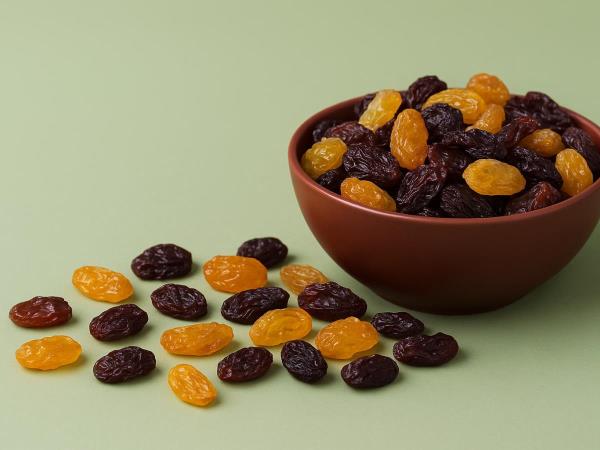
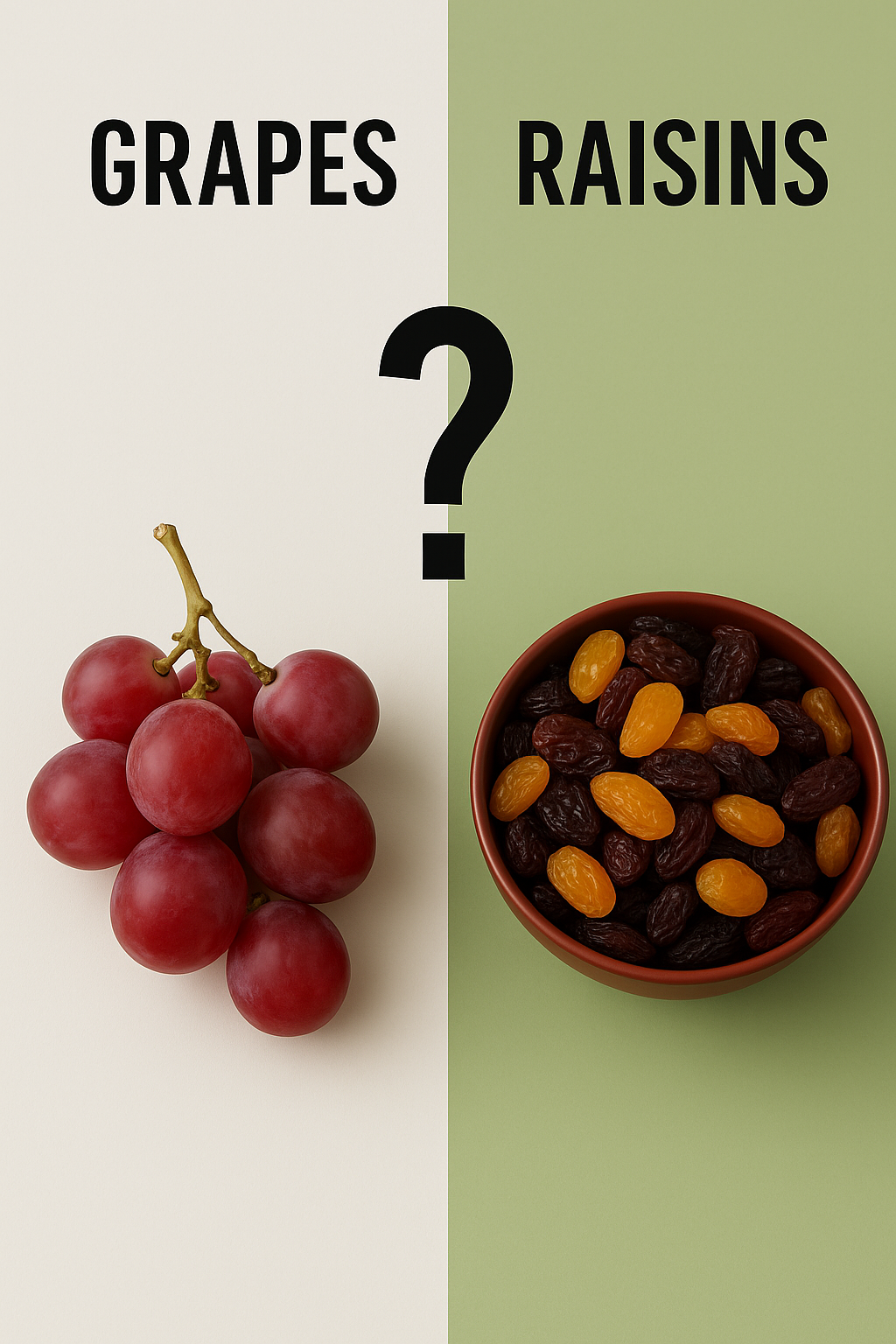
Raisins are dried grapes and it's not true that they only go as an addition to desserts—they are also an excellent snack, a standalone food.
They contain a lot of antioxidants, vitamins, and minerals. If they are sun-dried, their nutritional value is even higher.
It’s important to know that raisins also contain a lot of natural sugar and thus a lot of energy—but fortunately, they are also very satiating. For grapes, it's said you shouldn’t eat more than a handful of berries, which is hard to control, while such control with raisins is entirely attainable.
Why do raisins help manage appetite?
One cup of raisins contains about 7 grams of fiber, which is much more than fresh grapes with only 1 gram per cup. Fiber is key: it slows digestion, maintains stable blood sugar, and prolongs the feeling of fullness. Besides, raisins contain sorbitol, a natural sugar alcohol that attracts water into the intestine, softening stools and preventing constipation.
This feeling of fullness is exactly why it makes sense to have raisins handy: when hunger attacks, eat five to ten raisins and drink a glass of water. Although raisins are rich in sugars, they have a low glycemic index, which means they do not cause a rapid spike in blood sugar. The American California Raisin Marketing Board claims that raisins are even suitable for people with type 2 diabetes when it comes to managing eating habits.
Practical tip: Make sure you start the day with a hearty breakfast, and have raisins in the afternoon instead of sweets or salty snacks. Also, drink enough water—more water means easier and faster metabolism.
Raisins and blood pressure: what does the science say?
Raisins contain up to 5 times more sugar than fresh grapes and have no vitamin C or cholesterol. But they are rich in potassium, fiber, and polyphenols. A study presented at the annual meeting of the American College of Cardiology showed that regular consumption of raisins three times a day by people with mildly elevated blood pressure statistically lowers systolic blood pressure after 12 weeks. This is also confirmed by a meta-analysis published in the journal Preventive Nutrition and Food Science, which included eight randomized clinical trials with 352 participants.
The ancient Greeks didn’t eat raisins for no reason—they used them to strengthen the digestive tract. Today we know why: the fiber in raisins has a very positive effect on digestion and gut health, preventing constipation and at the same time providing a feeling of fullness.
Minerals that matter
Among the most important minerals in raisins is iron, which is crucial for the formation of red blood cells and the transport of oxygen—this is also the best way to overcome anemia. This is especially valuable information for pregnant women and vegetarians. In addition, raisins contain calcium and boron: boron helps the body absorb calcium and magnesium, thus contributing to bone health, and studies show it can improve bone density, especially in postmenopausal women.
How to eat raisins the right way?
Eat raisins in the morning or as a snack between meals. Excellent tip: soak a handful of raisins in yogurt or kefir the night before and eat them slowly the next day—this makes them even easier to digest, while keeping their fiber content. When choosing, pay attention: choose raisins without sulfur dioxide and without pesticides—light or yellowish raisins are almost certainly sulfured; good raisins are wrinkled, dark brown, and neither too hard nor too soft.
Positive effects after a few days
Moderate and regular inclusion of raisins in your diet, along with enough water and a hearty breakfast, will bring noticeable changes in a few days: better physical shape, easier digestion, and a calmer appetite. Regular consumption of raisins can reduce inflammation and improve resistance to infections, which contributes to better overall well-being and a calmer sleep—since the immune system, sleep, and nutrition are closely intertwined, as we explain in the article The best natural health boosters.
And finally: raisins are more than just a sweet snack—they are a natural source of numerous nutrients that contribute to better health. Next time you’re looking for a healthy snack, simply reach for a handful of raisins.
Read also on Vemkajjem.si:
- Raisins: small but extremely beneficial
- Surprising liver cleansing with raisins
- Fruit that stops aging and dissolves fat
- 5 tips for losing weight without restrictions
- How to lose weight quickly and without starvation
Information on this website is for educational purposes only and is not medical advice.
expert, nutritionist
 Would you like to be informed about news on the website?















|

