






Simple Recipe: How to Remove Age Spots with Rice Water
expert, nutritionist
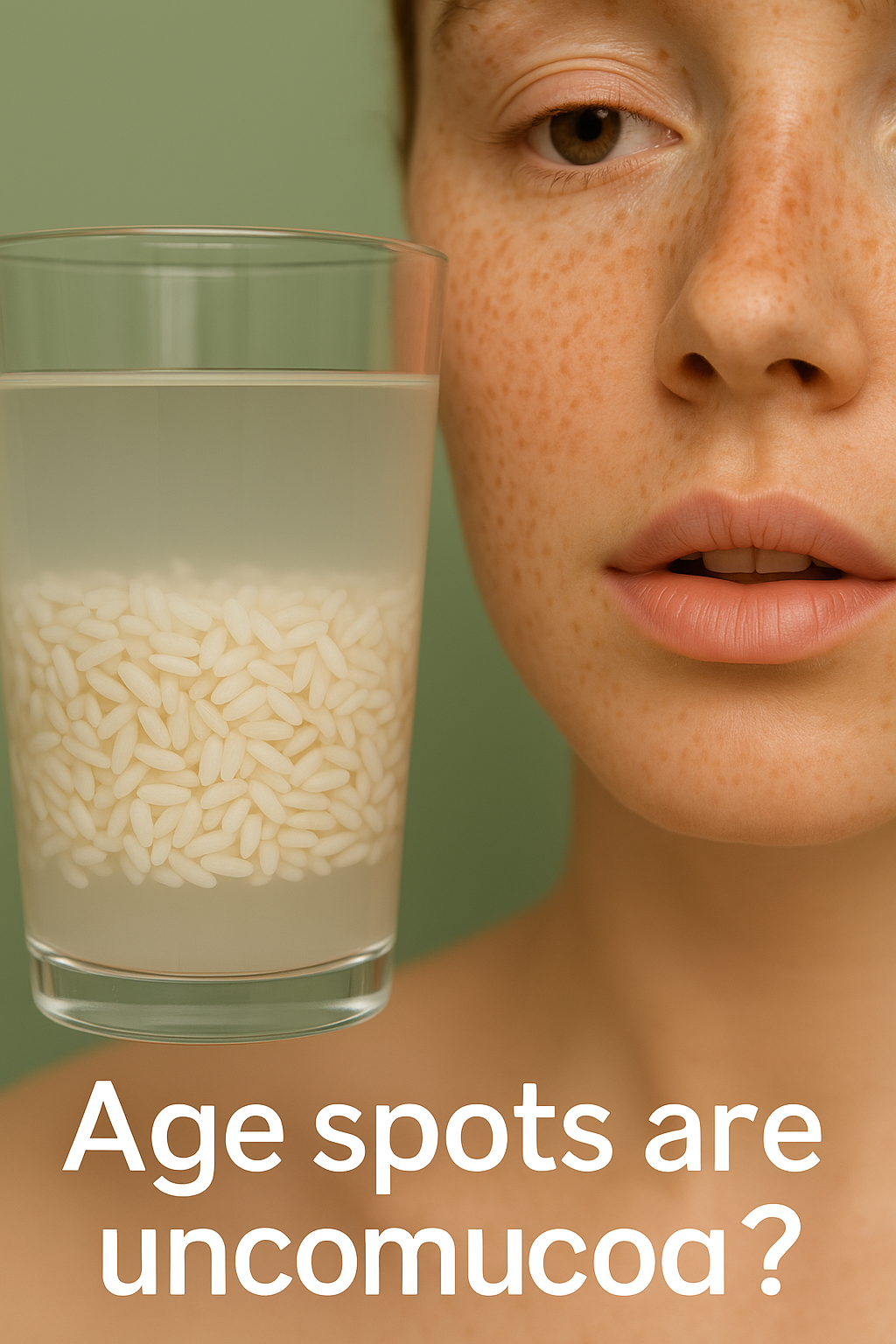
Imagine this: a bottle of expensive skin-brightening serum from the pharmacy, and a cup of soaked rice from the kitchen. The result after six weeks? For many, just as good. One reader’s neighbor – a woman in her fifties who battled spots on her hands for years – says that after two weeks of regular rinsing with rice water, she noticed the spots were visibly lighter, and her skin was softer than it had been in a long time.
Why Do Age Spots Appear at All?
Age spots are actually pigmented stains that form due to the accumulation of melanin—the pigment in the skin. They are triggered by years of sun exposure, skin aging, and slowed cell metabolism. As explained by Vemkajjem.si, the spots spoil the appearance, and the skin in these areas is slightly less sensitive to the touch – which is why it’s good to know how to tackle them with natural remedies at home.
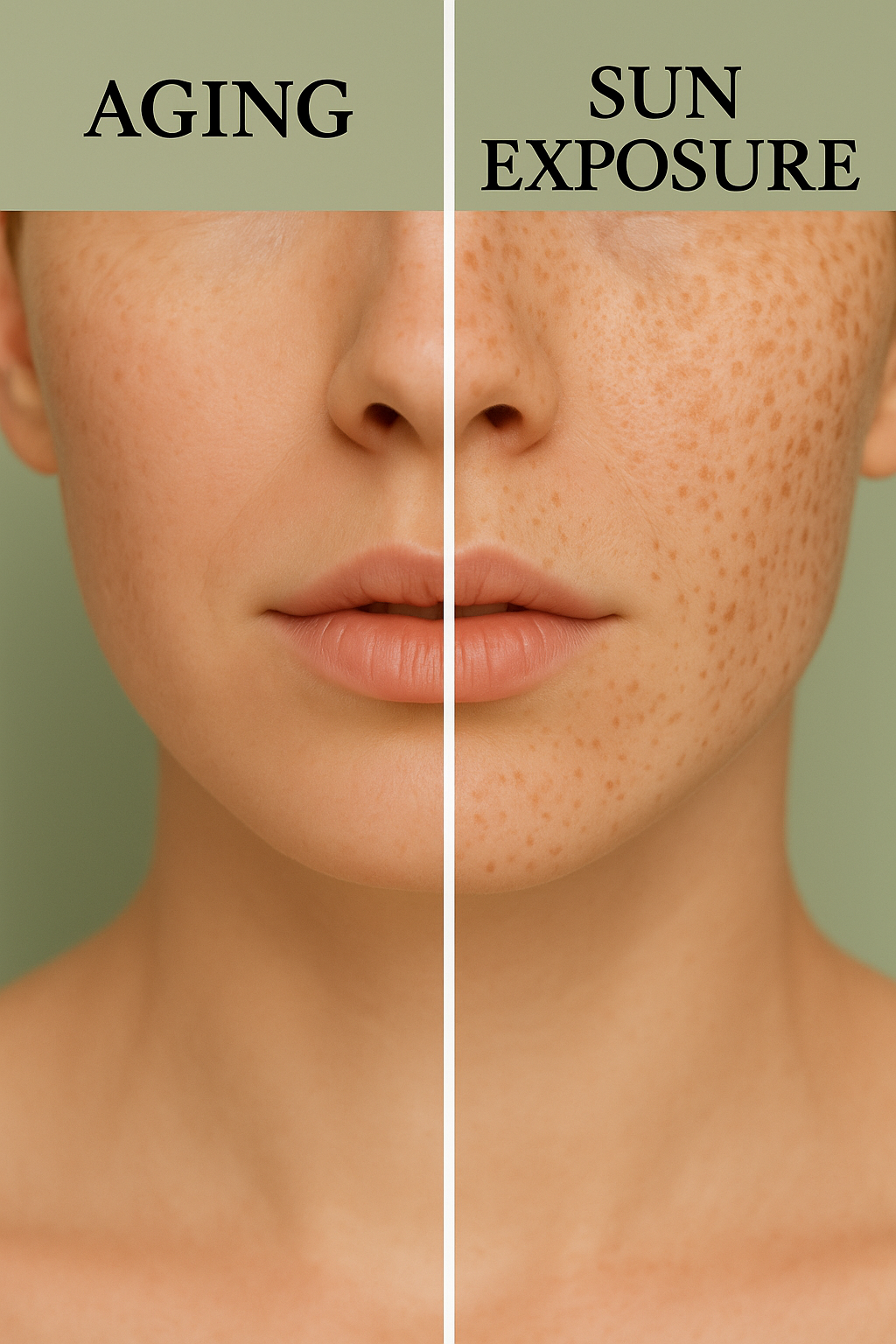
There are actually two reasons for their formation: aging and sun exposure. In older people, and also in younger people who have spent a lot of time in the sun, pigmented spots or age spots gradually appear. The skin is simply no longer as resilient, and the pigment doesn’t perform its function as it did in your twenties.
Chinese Secret: Rice Water
In China, Japan, and Korea, rice water has been known for millennia. Rice water sits at an interesting crossroads – backed by centuries of East Asian skin care tradition and increasingly confirmed by modern clinical evidence. The Western world is only just now discovering it.
Why does it work? Rice water contains a variety of active substances:
- Inositol – a carbohydrate that stimulates cell renewal and skin circulation
- Ferulic acid – a powerful antioxidant that inhibits melanin production and protects against free radicals
- Allantoin – a compound with anti-inflammatory and soothing effects on the skin
- Vitamins B1, B3, C, and E – support skin renewal and brightness
- Amino acids – the building blocks of collagen, giving the skin firmness
Rice water acts as a mild tyrosinase inhibitor, which means that over time it reduces melanin production – the very thing responsible for dark spots. A 2002 study published in the journal Acta Dermato-Venereologica showed that bathing in rice starch water improves skin regeneration by 20%.
Recipe: How to Prepare Rice Water at Home
The recipe couldn’t be simpler. You need 100 grams of white rice and 200 ml of water (ratio 1:2, but you can adjust the quantities proportionally). Put the rice in a bowl, pour over the water, and let it sit for at least 10 minutes. Then strain the water—and that’s it. No cooking, no additives.
Use this water to rinse your face or hands, leave it on the skin for about a minute, then rinse off with clean water. You’ll notice fewer wrinkles, more supple and softer skin after just three days, and the pores on your face will be visibly reduced. You can also use rice water as an evening cleansing toner instead of a store-bought one.
Tip for better results: Since fermentation is key to greater effectiveness, try this: instead of 10 minutes, let the rice soak for 24–48 hours at room temperature. Fermentation breaks down the molecules in rice water into smaller, more potent forms that the skin absorbs faster. The scent will be slightly sour—this is a sign that fermentation is taking place.
When to Expect Results?
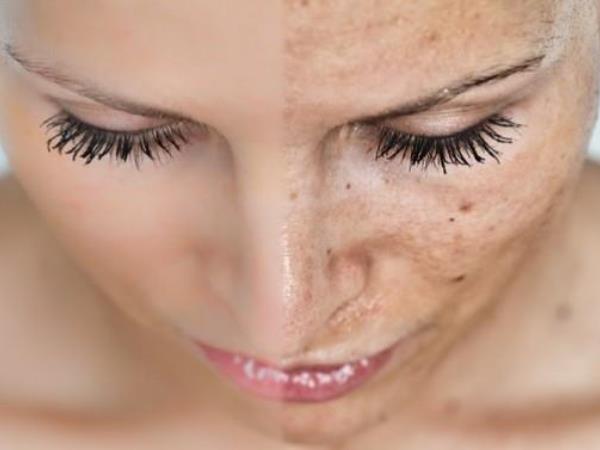
Be realistic and persistent. The majority of users notice improved skin texture after 2 to 4 weeks, and visible lightening of pigmentation after 6 to 8 weeks of regular use. Rice water is not a miracle overnight solution—but it is extremely cheap, safe for all skin types, and has no side effects.
If you want to enhance the effect, combine rice water with other natural helpers. Lemon juice is one of the few natural remedies that research has actually shown to help lighten pigmented spots over time – but apply it carefully and never on irritated skin.
For those who prefer a slightly different home approach, Vemkajjem.si also has a recipe with onion juice and vinegar, which visibly reduces spots after two weeks of regular use.
The Skin Reflects What We Eat
External measures are good, but don’t forget about the inside. Skin reflects nutrition. A regular morning drink made from rice flour and buckwheat improves digestion and circulation – and the skin becomes more elastic and better in color after just one week. In addition, antioxidants are essential for healthy skin: vitamins C, E and minerals such as selenium, which supports the formation of keratin – the protein that forms the outer layer of the skin.
Information on this website is for educational purposes only and is not medical advice.
expert, nutritionist
 Would you like to be informed about news on the website?














|

