





Date: 06/12/2026 - GOOD TO KNOW
Let’s Slow Down Snacks!
AUTHOR:
Zvone Stor
expert, nutritionist
expert, nutritionist
Recently, the world has changed at a dizzying pace. People eat more and more as if someone is chasing us. But this isn’t right, and we have only ourselves to blame!
Sometimes it seems as if lunch is just a technical formality between two meetings. But our bodies and minds can’t keep up with this kind of speed. And even if you think there’s nothing wrong with eating a sandwich in two minutes, today we’ll convince you it’s worth taking your time – at least for your meals.
Food Shouldn’t Be a Competition
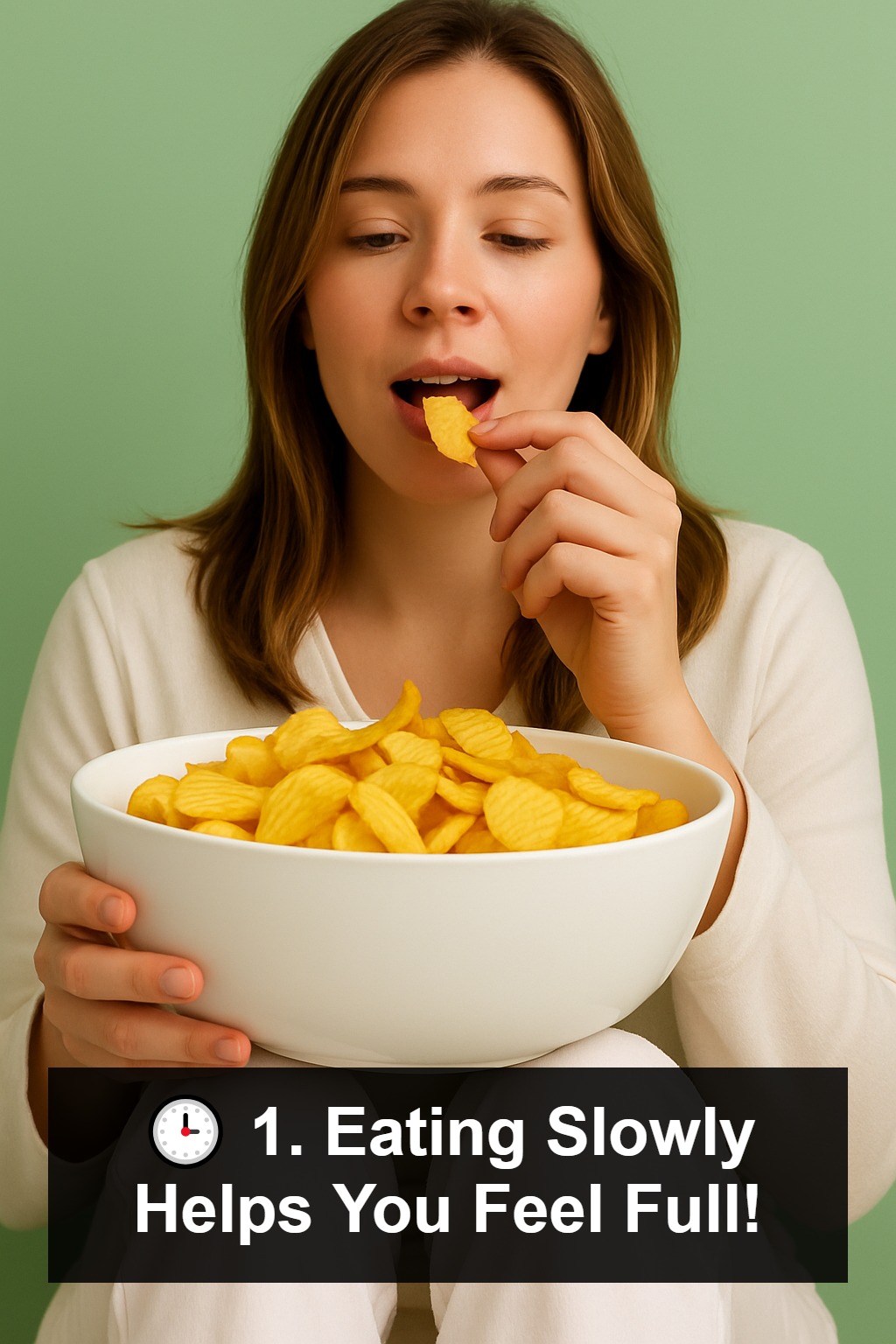
In folk medicine, a simple truth has been repeated for centuries: Food should be chewed like a song, not like an order. Hidden in this is wisdom that scientists from around the world are now confirming. When you eat slowly, your brain gets enough time to signal when you’re full. This usually takes between 15 and 20 minutes. So, if you "devour" lunch in five minutes, your body will only tell you it’s had enough after 15 minutes – but by then, you will have already exceeded your calorie intake.
A study published in the journal Appetite in 2021, which examined more than 1,000 children, found that as many as 60% of those who ate quickly also overate. These children were three times more likely to be overweight than those who ate more slowly.
What Happens If You Eat Too Fast?
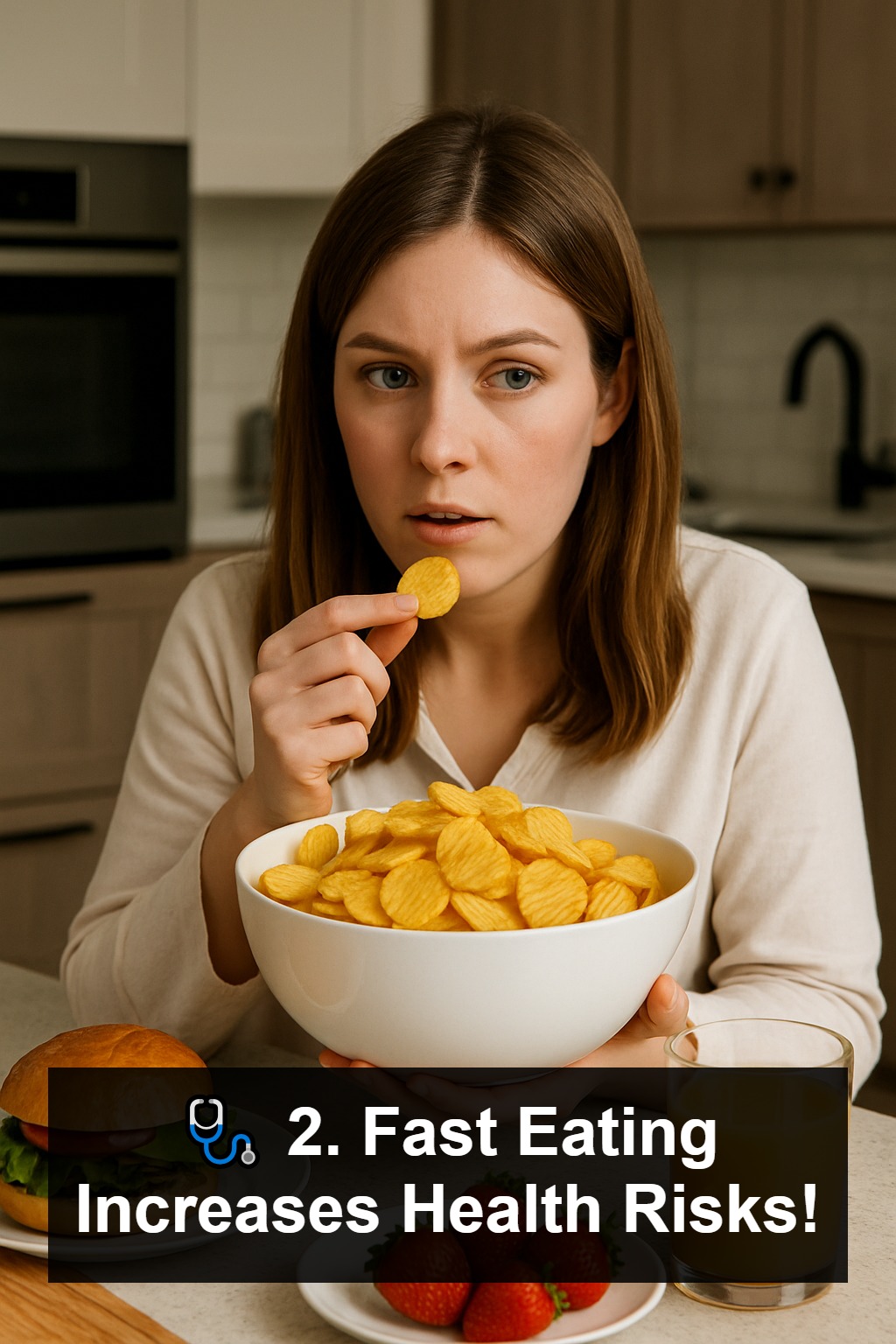
We can say that fast eating brings far more problems than it might first appear. In folk medicine, there’s a belief that every bite should circle the mouth at least 30 times before going down to the stomach – and not without reason.
When you eat quickly:
A study from Japan, published in the journal BMJ Open in 2018, found that people who eat quickly have a 2.5 times higher risk of developing type 2 diabetes.
When Food Becomes Emotional Comfort
If you’ve ever reached for a bag of chips after a stressful day, you’ve already experienced emotional eating. This means eating to soothe, reward, or distract yourself – not because you’re truly hungry. And this kind of eating is often fast, mindless, and often associated with feelings of guilt.
According to the American National Institutes of Health (NIH), emotional eating is present in more than 30% of adults who struggle with their weight.
In folk medicine, there was a simple piece of advice: when you’re sad, don’t eat. Go out into nature, talk with a loved one, drink some lemon balm or lavender tea. Food should not be comfort but a celebration.
Metabolic Syndrome – The Silent Threat of Our Time
Very fast eating can also lead to what is known as metabolic syndrome. This is a cluster of problems – high blood pressure, increased waist circumference, elevated blood sugar, and disordered fat metabolism. It’s a condition that greatly increases the risk of cardiovascular diseases and type 2 diabetes.
According to the World Health Organization (WHO), more than 25% of adults in Europe show signs of metabolic syndrome, especially among those who eat fast food, eat without rhythm, and eat too quickly.
In our region, grandmothers used to say, "living too fast and eating even faster leads to a slow illness." A piece of wisdom that should be written on every fridge.
Insulin Resistance – The Precursor to Diabetes
When we eat too quickly, blood sugar levels often rise. The body starts producing more insulin to process this sugar. If we do this often, our cells become less sensitive to insulin, leading to insulin resistance.
This means the body can no longer efficiently store sugar and fat, which leads to constant fatigue, cravings for sweets and fatty foods, and weight gain.
According to the American Diabetes Association, more than 88 million adult Americans (about 1 in 3) have insulin resistance – and most don’t even know it!
Stomach and Intestinal Problems
When you just swallow your food and don’t chew it, you don’t give it the chance to mix properly with saliva, which contains important enzymes for digestion. This leads to bloating, slow digestion, heartburn, and even constipation. In folk medicine, they would say you’re throwing food into the fire unprepared.
Interesting Fact: Saliva contains the enzyme amylase, which starts breaking down carbohydrates in the mouth already. If you just swallow food, you skip this step – putting extra strain on the stomach.
How to Slow Down Eating?
Even though it sounds simple, it’s not always easy. But with a few tricks, you can help yourself:
According to research from the Harvard School of Public Health, fiber reduces the risk of heart disease by 25 to 30%, and it also helps regulate body weight.
Let Food Be a Celebration Again
If we can give you one piece of advice to remember, it’s this: meals should be an event, not a chore. Food is not just fuel – it’s a connection to life, to nature, and to yourself. Eating slowly is not only beneficial, it’s magical. As our ancestors said: Slow and steady goes far, and even farther when you take the time for a good meal in between.
And to end with our grandmothers’ advice: If you can’t enjoy bread, you’ll never be full.
Information on this website is for educational purposes only and is not medical advice.
Food Shouldn’t Be a Competition
In folk medicine, a simple truth has been repeated for centuries: Food should be chewed like a song, not like an order. Hidden in this is wisdom that scientists from around the world are now confirming. When you eat slowly, your brain gets enough time to signal when you’re full. This usually takes between 15 and 20 minutes. So, if you "devour" lunch in five minutes, your body will only tell you it’s had enough after 15 minutes – but by then, you will have already exceeded your calorie intake.
A study published in the journal Appetite in 2021, which examined more than 1,000 children, found that as many as 60% of those who ate quickly also overate. These children were three times more likely to be overweight than those who ate more slowly.
What Happens If You Eat Too Fast?
We can say that fast eating brings far more problems than it might first appear. In folk medicine, there’s a belief that every bite should circle the mouth at least 30 times before going down to the stomach – and not without reason.
When you eat quickly:
- you consume more calories than the body needs,
- the feeling of fullness comes too late,
- food is poorly digested (which, in everyday language, leads to bloating, gas, and discomfort in the stomach),
- the risk for diseases like type 2 diabetes increases greatly.
A study from Japan, published in the journal BMJ Open in 2018, found that people who eat quickly have a 2.5 times higher risk of developing type 2 diabetes.
When Food Becomes Emotional Comfort
If you’ve ever reached for a bag of chips after a stressful day, you’ve already experienced emotional eating. This means eating to soothe, reward, or distract yourself – not because you’re truly hungry. And this kind of eating is often fast, mindless, and often associated with feelings of guilt.
According to the American National Institutes of Health (NIH), emotional eating is present in more than 30% of adults who struggle with their weight.
In folk medicine, there was a simple piece of advice: when you’re sad, don’t eat. Go out into nature, talk with a loved one, drink some lemon balm or lavender tea. Food should not be comfort but a celebration.
Metabolic Syndrome – The Silent Threat of Our Time
Very fast eating can also lead to what is known as metabolic syndrome. This is a cluster of problems – high blood pressure, increased waist circumference, elevated blood sugar, and disordered fat metabolism. It’s a condition that greatly increases the risk of cardiovascular diseases and type 2 diabetes.
According to the World Health Organization (WHO), more than 25% of adults in Europe show signs of metabolic syndrome, especially among those who eat fast food, eat without rhythm, and eat too quickly.
In our region, grandmothers used to say, "living too fast and eating even faster leads to a slow illness." A piece of wisdom that should be written on every fridge.
Insulin Resistance – The Precursor to Diabetes
When we eat too quickly, blood sugar levels often rise. The body starts producing more insulin to process this sugar. If we do this often, our cells become less sensitive to insulin, leading to insulin resistance.
This means the body can no longer efficiently store sugar and fat, which leads to constant fatigue, cravings for sweets and fatty foods, and weight gain.
According to the American Diabetes Association, more than 88 million adult Americans (about 1 in 3) have insulin resistance – and most don’t even know it!
Stomach and Intestinal Problems
When you just swallow your food and don’t chew it, you don’t give it the chance to mix properly with saliva, which contains important enzymes for digestion. This leads to bloating, slow digestion, heartburn, and even constipation. In folk medicine, they would say you’re throwing food into the fire unprepared.
Interesting Fact: Saliva contains the enzyme amylase, which starts breaking down carbohydrates in the mouth already. If you just swallow food, you skip this step – putting extra strain on the stomach.
How to Slow Down Eating?
Even though it sounds simple, it’s not always easy. But with a few tricks, you can help yourself:
- Don’t eat in front of screens. When we eat in front of the TV or computer, our minds drift off, and suddenly everything is gone from the plate and we don’t even know when it happened.
- Put your fork down between bites. This gives your body time to tell you when enough is enough.
- Don’t get too hungry! When you wait too long between meals, you’ll eat like a wolf – fast and insatiable. Always have some healthy snacks on hand.
- Drink water. Water fills the stomach and naturally slows you down.
- Chew at least 20 times. This is good self-discipline training. In folk medicine, it was believed that food without chewing is like a river without a riverbed.
- Eat fibrous foods. Fruits, vegetables, nuts – all these force you to eat more slowly and also aid your digestion.
According to research from the Harvard School of Public Health, fiber reduces the risk of heart disease by 25 to 30%, and it also helps regulate body weight.
Let Food Be a Celebration Again
If we can give you one piece of advice to remember, it’s this: meals should be an event, not a chore. Food is not just fuel – it’s a connection to life, to nature, and to yourself. Eating slowly is not only beneficial, it’s magical. As our ancestors said: Slow and steady goes far, and even farther when you take the time for a good meal in between.
And to end with our grandmothers’ advice: If you can’t enjoy bread, you’ll never be full.
Information on this website is for educational purposes only and is not medical advice.
Author:
Zvone Stor
expert, nutritionist
expert, nutritionist
 Would you like to be informed about news on the website?
Just enter your e-mail
Slow eating benefits
Emotional eating consequences
Metabolic syndrome risks
Insulin resistance causes
How to slow down eating
Latest news

Why Do You Always Wake Up at the Same Time? Your Body Might Be Trying to Tell You Something
Read more >>


French Fries and Your Brain: What an 11-Year Study of 140,000 People Found About Fried Food and Mood
Read more >>

Selenium: The Tiny Mineral Your Body Can't Live Without — And Can Absolutely Have Too Much Of
Read more >>

A Spoonful of Coconut Oil on an Empty Stomach: The Quiet Morning Habit So Many People Swear By
Read more >>


Anemia on Your Plate: The Everyday Foods Quietly Helping — Or Sabotaging — Your Iron Levels
Read more >>

Why the Humble Egg Might Just Be Your Diet's Secret Weapon: 5 Reasons Nutritionists Keep Coming Back To
Read more >>


Yogurt, Banana or Citrus for Breakfast? Why Some "Healthy" Foods Can Backfire on an Empty Stomach
Read more >>



Why the Scale Won't Budge, Even On a Diet: The Overlooked Mineral Almost Nobody Talks About
Read more >>


Interaktive Widgets:
|

